
Air Quality & Gas Safety
Air quality monitoring and gas safety instrumentation play a critical role in industrial environments where hazardous gases, oxygen depletion, and atmospheric contaminants can threaten personnel safety and operational continuity. Accurate detection technologies enable engineers and safety professionals to continuously monitor environmental conditions and respond quickly to unsafe atmospheric changes.
Modern air quality and gas detection systems integrate electrochemical sensors, infrared gas analysis, catalytic bead sensors, and photoionization technologies to identify hazardous gases at low concentrations. These instruments support environmental compliance programs, worker safety protocols, and process monitoring requirements across forestry processing facilities, biomass plants, and industrial manufacturing operations.
Within advanced environmental monitoring and measurement solutions designed for forest industry operations, gas detection technologies enable early hazard identification, atmospheric risk mitigation, and regulatory monitoring. Instruments support both portable field measurements and fixed monitoring systems that provide continuous atmospheric data across operational zones.
Organizations responsible for forestry operations, biomass energy production, wood processing facilities, and environmental laboratories rely on gas detection instrumentation to support workplace safety standards, environmental impact monitoring, and operational efficiency. Reliable sensing technologies ensure accurate readings even in complex industrial atmospheres where temperature, humidity, and airborne particulates may affect measurement conditions.
Air monitoring instruments supplied by Enviro Forest support comprehensive atmospheric risk detection and industrial environmental monitoring.
Key operational functions include:
- Detection of hazardous gases including methane, hydrogen sulfide, ammonia, ozone, and combustible hydrocarbons within industrial and forestry processing environments
- Continuous monitoring of oxygen concentration to prevent oxygen deficiency hazards in confined spaces, storage silos, and processing facilities
- Real time measurement of carbon monoxide and carbon dioxide concentrations to support worker safety and indoor environmental monitoring
- Multi gas analysis using integrated sensor arrays capable of detecting several gases simultaneously within a single instrument platform
- Early leak detection for natural gas pipelines, biogas systems, and methane emissions associated with forestry biomass processing
- Atmospheric hazard alarms triggered when gas concentrations exceed occupational exposure thresholds or operational safety limits
- Data logging and measurement recording for environmental compliance reporting and workplace safety documentation
- Field portable detection systems supporting forestry field technicians conducting atmospheric safety assessments during maintenance operations
- Fixed monitoring installations providing continuous air quality surveillance across industrial facilities and wood processing plants
- Integration with industrial safety systems and supervisory monitoring platforms for automated hazard alerting
Selecting appropriate gas monitoring instrumentation requires careful evaluation of sensing technology, environmental operating conditions, and regulatory monitoring requirements.
Important technical parameters include:
- Sensor Technology Type
Electrochemical sensors for toxic gases, infrared sensors for carbon dioxide and hydrocarbons, catalytic bead sensors for combustible gases, and photoionization detectors for volatile organic compounds. - Detection Range and Resolution
Measurement range must match expected gas concentration levels while maintaining sufficient resolution for low concentration detection. - Response Time (T90)
Response time determines how quickly an instrument detects changes in gas concentration, which is critical for safety monitoring. - Calibration Methodology
Regular calibration procedures using certified calibration gases ensure measurement accuracy and regulatory compliance. - Environmental Operating Conditions
Operating temperature range, humidity tolerance, and resistance to airborne particulates influence measurement reliability in industrial settings. - Sensor Life Cycle and Maintenance Requirements
Expected sensor lifespan, replacement intervals, and maintenance procedures affect operational cost and system reliability. - Alarm Systems and Safety Notifications
Audible, visual, and vibration alerts provide immediate warnings when hazardous gas thresholds are exceeded. - Data Logging and Connectivity
Integrated data storage, wireless transmission, and industrial communication protocols support centralized monitoring and reporting.
Portability and Deployment Configuration
Instrumentation may be handheld, wearable, or fixed mounted depending on operational monitoring requirements
Multi Gas Monitors
Multi gas monitors combine multiple sensing technologies within a single instrument platform to detect several hazardous gases simultaneously. Typical configurations measure oxygen concentration, combustible gases, and toxic gases such as carbon monoxide or hydrogen sulfide.
These instruments are commonly used by field technicians performing confined space entry inspections, maintenance operations, and safety verification within forestry processing plants and biomass energy facilities. Integrated sensor arrays enable continuous monitoring while portable designs support mobility across large industrial sites. Advanced models provide data logging capabilities, wireless transmission, and configurable alarm thresholds to meet occupational safety requirements and environmental monitoring objectives.
Oxygen Deficiency Detectors
Oxygen deficiency detectors monitor atmospheric oxygen levels to prevent hazardous environments where oxygen concentration falls below safe thresholds for human respiration. These detectors rely primarily on electrochemical sensors capable of accurately measuring oxygen concentration within confined or enclosed industrial environments.
Wood processing facilities, storage silos, biomass reactors, and enclosed machinery areas may experience oxygen displacement due to chemical reactions or gas accumulation. Continuous oxygen monitoring ensures worker safety and regulatory compliance during maintenance activities or confined space entry procedures. Instruments may be configured as portable personal monitors or installed as fixed safety systems that continuously track oxygen levels across critical operational zones.
Carbon Monoxide Detectors
Carbon monoxide detectors identify the presence of CO gas generated during combustion processes commonly found in biomass processing systems, industrial heaters, and internal combustion engines used in forestry operations.
Electrochemical sensing technology enables accurate detection of low level carbon monoxide concentrations before they reach hazardous exposure levels. These detectors support occupational safety programs by alerting personnel to incomplete combustion conditions or equipment malfunctions. Continuous monitoring helps facility operators maintain safe indoor air quality while supporting compliance with industrial safety regulations governing toxic gas exposure in workplace environments.
Carbon Dioxide Detectors
Carbon dioxide detectors measure CO2 concentrations within indoor industrial environments and biomass processing facilities where elevated CO2 levels may occur due to combustion, fermentation, or decomposition processes.
Non dispersive infrared sensing technology is commonly used to provide accurate CO2 concentration measurement over a wide detection range. These instruments support environmental monitoring, ventilation system optimization, and indoor air quality management. Forestry processing plants, greenhouses, and biomass energy facilities rely on CO2 monitoring to maintain safe working conditions while supporting operational efficiency.
Methane Leak Detectors
Methane leak detectors identify the presence of methane gas released from natural gas systems, biomass digestion processes, and wood decomposition activities occurring in forestry and energy production facilities.
Catalytic bead sensors or infrared methane detectors measure gas concentrations and trigger safety alarms when methane accumulates to potentially explosive levels. Early detection enables maintenance teams to locate leaks within pipelines, gas storage systems, and biomass reactors. Reliable methane monitoring helps prevent explosion hazards and supports emissions monitoring initiatives across forestry operations.
Hydrogen Sulfide Detectors
Hydrogen sulfide detectors monitor H2S gas, a toxic and corrosive compound produced during organic decomposition processes and biomass fermentation activities.
Electrochemical sensing technologies provide highly sensitive detection of H2S concentrations at parts per million levels. Exposure to hydrogen sulfide presents serious health risks including respiratory distress and neurological effects. Continuous monitoring systems protect workers operating near biomass processing equipment, wastewater systems, and organic waste treatment facilities associated with forestry operations.
Ammonia Gas Detectors
Ammonia detectors monitor NH3 concentrations within environments where ammonia is used in industrial refrigeration systems, fertilizer production, or chemical processing associated with forestry operations.
Electrochemical ammonia sensors provide rapid detection of NH3 leaks, allowing facility operators to respond quickly to potential hazards. Continuous monitoring systems help prevent worker exposure while ensuring compliance with occupational exposure limits established by industrial safety authorities.
Ozone Gas Detectors
Ozone detectors measure O3 gas concentrations produced by electrical equipment, ultraviolet sterilization systems, or atmospheric chemical reactions occurring in industrial environments.
Electrochemical and semiconductor sensors enable detection of ozone at low concentrations, supporting air quality monitoring programs within controlled industrial environments. Continuous ozone monitoring helps maintain safe atmospheric conditions and ensures that ozone generation equipment operates within acceptable safety thresholds.
Combustible Gas Detectors
Combustible gas detectors measure flammable gas concentrations and warn operators when explosive conditions may develop within industrial facilities.
Catalytic bead sensors detect combustible hydrocarbons by measuring heat released during gas oxidation. Instruments report gas concentrations relative to the lower explosive limit, enabling safety teams to identify dangerous atmospheric conditions before ignition hazards arise. Combustible gas monitoring systems are commonly deployed in biomass processing plants, fuel storage areas, and energy production facilities.
- Monitoring methane emissions around biomass reactors and wood processing facilities to identify gas accumulation risks and prevent explosion hazards
- Protecting personnel performing confined space maintenance within wood chip storage silos and industrial processing chambers
- Detecting hydrogen sulfide emissions during organic waste decomposition processes associated with forestry biomass handling
- Continuous monitoring of carbon monoxide produced by combustion systems used in biomass heating and energy generation
- Tracking oxygen concentration inside enclosed forestry processing machinery rooms to prevent oxygen displacement hazards
- Monitoring carbon dioxide accumulation in indoor industrial facilities with limited ventilation or combustion equipment
- Identifying ammonia leaks within industrial refrigeration systems supporting timber processing and storage facilities
- Detecting ozone exposure levels near ultraviolet sterilization systems used in environmental treatment processes
- Continuous environmental monitoring around industrial plants to support regulatory reporting and emissions tracking
- OSHA 29 CFR 1910
- OSHA 1910.146 Confined Space Standard
- ANSI Z117.1 Confined Space Safety Standard
- NIOSH Exposure Limits
- EPA Clean Air Act
- NFPA 70 National Electrical Code
- CSA C22.2 Electrical Safety Standard
- CSA Z94.4 Respiratory Protection Standard
- UL Certification for Gas Detection Equipment
- ANSI/ISA 12.13.01 Performance Requirements for Combustible Gas Detectors
| Instrument Type | Typical Sensor Technology | Primary Gases Detected | Deployment Style | Typical Monitoring Purpose |
| Multi Gas Monitor | Electrochemical, catalytic, infrared | Multiple hazardous gases | Portable or wearable | Worker safety monitoring |
| Oxygen Deficiency Detector | Electrochemical | Oxygen concentration | Portable or fixed | Confined space safety |
| Carbon Monoxide Detector | Electrochemical | CO gas | Portable or fixed | Combustion monitoring |
| Carbon Dioxide Detector | Infrared sensing | CO2 gas | Fixed or portable | Indoor air quality monitoring |
| Methane Leak Detector | Catalytic bead or infrared | Methane | Portable survey instruments | Gas leak detection |
| Hydrogen Sulfide Detector | Electrochemical | H2S gas | Portable personal monitor | Toxic gas safety |
| Ammonia Detector | Electrochemical | NH3 gas | Fixed monitoring | Refrigeration system monitoring |
| Ozone Detector | Electrochemical or semiconductor | O3 gas | Fixed monitoring | Environmental air quality |
| Combustible Gas Detector | Catalytic bead | Flammable hydrocarbons | Portable or fixed | Explosion risk prevention |
Gas detection instrumentation must operate reliably across varied industrial environments where temperature fluctuations, airborne particulates, humidity, and mechanical vibration can affect sensor performance. Industrial forestry facilities often require instruments capable of operating in dusty processing environments where wood particles and biomass residues are present.
Portable monitors are frequently used by maintenance teams performing equipment inspections, confined space entry procedures, and environmental safety checks. Wearable detectors provide continuous atmospheric monitoring for workers operating in potentially hazardous areas.
Fixed monitoring systems support continuous surveillance across facilities, particularly near biomass reactors, fuel storage tanks, and industrial ventilation systems. These installations often integrate with facility safety systems that trigger alarms or automated shutdown procedures when hazardous gas concentrations are detected.
Power requirements vary depending on deployment configuration. Portable instruments typically operate on rechargeable battery systems designed for extended field use. Fixed systems may use direct power connections while incorporating backup power supplies to maintain monitoring during outages.
Data handling approaches may include onboard data logging, wireless communication, or integration with industrial supervisory systems that collect environmental monitoring data for analysis and regulatory reporting.
Enviro Forest delivers advanced environmental monitoring instrumentation designed for industrial environments where safety and measurement reliability are critical.
Key technical advantages include:
- Reliable sensor technologies capable of detecting hazardous gases at low concentration thresholds
- Instruments engineered for challenging industrial environments common in forestry and biomass processing operations
- Integration capabilities with facility monitoring infrastructure and industrial safety systems
- Robust calibration and quality assurance processes that ensure measurement accuracy
- Research driven product development that supports evolving environmental monitoring requirements
- Strong B2B presence across North America supporting industrial clients with technical guidance and product reliability
- Customer focused support programs that assist organizations implementing complex environmental measurement systems
How do electrochemical gas sensors detect toxic gases?
Electrochemical sensors measure gas concentration through chemical reactions occurring at sensor electrodes. The resulting electrical signal corresponds to gas concentration levels.
What calibration frequency is recommended for gas detection instruments?
Most industrial gas detectors require calibration every 3 to 6 months using certified calibration gas mixtures to maintain measurement accuracy.
What factors affect the accuracy of gas monitoring instruments?
Temperature variations, humidity levels, airborne contaminants, and sensor aging can influence measurement accuracy if not properly managed.
When should portable gas monitors be used instead of fixed detectors?
Portable monitors are preferred during maintenance activities, confined space entry, and field inspections where atmospheric conditions must be assessed in multiple locations.
What is the difference between catalytic and infrared gas sensors?
Catalytic sensors detect combustible gases through oxidation reactions, while infrared sensors measure gas absorption of infrared light for more selective gas identification.
Can gas detection instruments integrate with facility safety systems?
Many industrial instruments support integration with supervisory control systems or industrial safety networks for automated hazard alerts and data reporting.
How are explosive gas risks evaluated using gas detectors?
Combustible gas detectors measure gas concentrations relative to the lower explosive limit, indicating when atmospheric conditions approach ignition thresholds.
Organizations seeking reliable monitoring solutions for industrial environmental measurement systems can benefit from expert technical guidance and proven instrumentation technologies. Enviro Forest has developed strong industry recognition across North America through ongoing innovation, strict quality assurance practices, and deep technical expertise supporting industrial monitoring environments.
Reach out through our official page to discuss your requirements, request technical consultation, or explore suitable solutions by visiting the Contact Page
Showing 46–60 of 1381 results
-
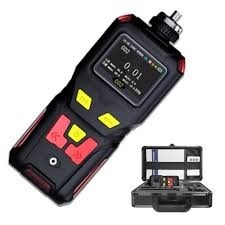
EFO Portable Outdoor Multi Gas Detector – T90 ≤ 20 S Response Time
-
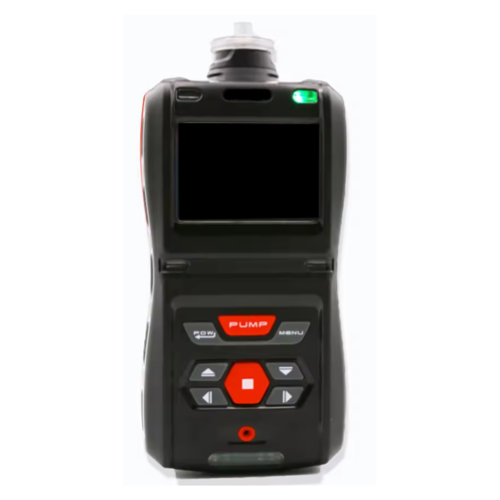
EFO Portable Outdoor Multi Gas Detector – IP65 Protection Level
-
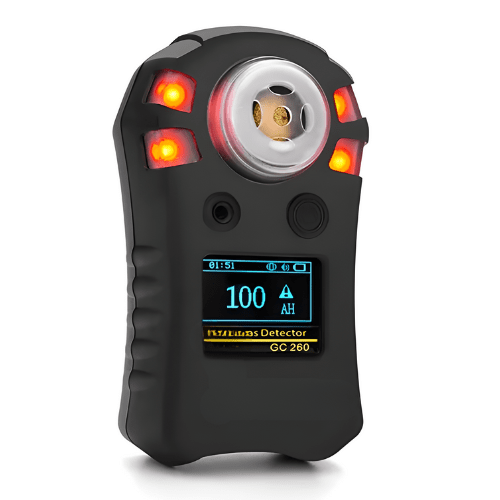
Enviro Forest Gas Alarm Detector
-
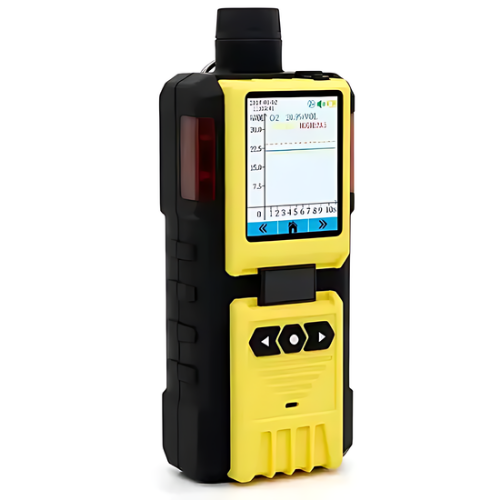
Enviro Forest Gas Detector Portable Oxygen Gas Detector – IP65 Protection
-
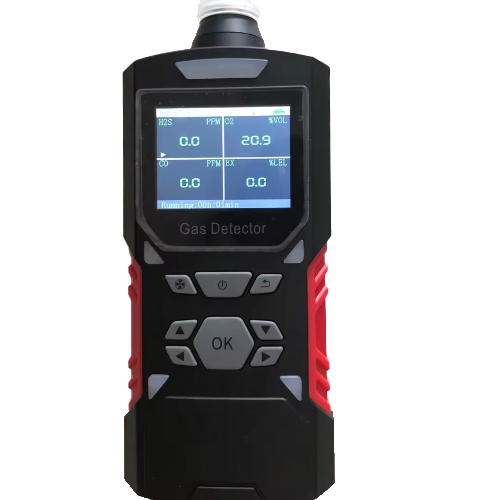
Enviro Forest Multi-Gas Detector – Automatic Battery Detection
-
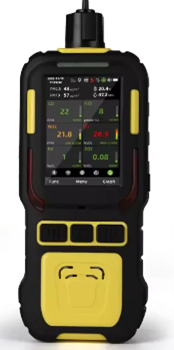
Enviro Forest Outdoor Explosion-Proof O2 Detector – Waterproof
-
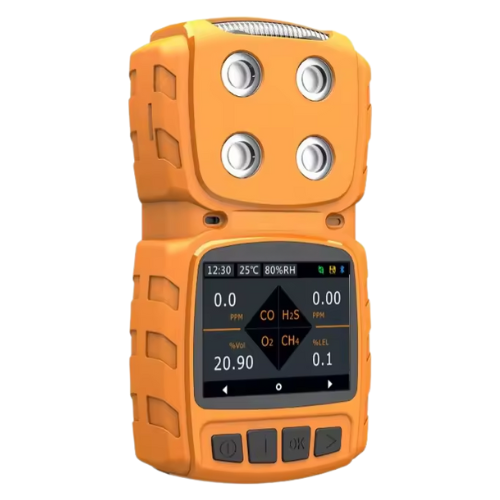
Enviro Forest 2 Gas Portable Multi Gas Detector
-
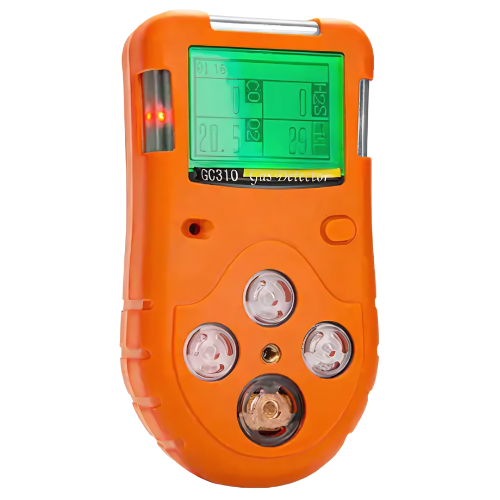
Enviro Forest 4 In 1 Carbon Monoxide Gas Alarm – Response Time Of < 30 s (T90)
-
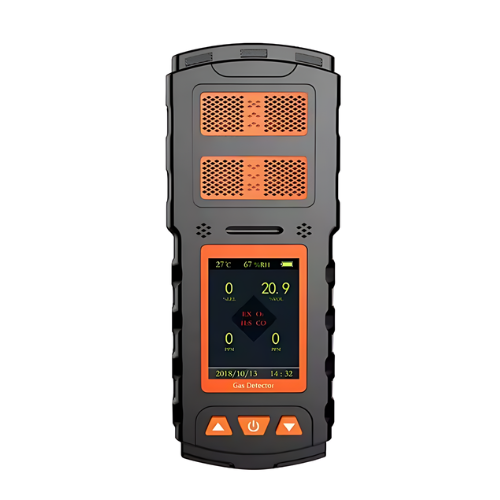
Enviro Forest 4 In 1 Gas Analyzer Monitor Alarm – IP65 Protection Grade
-
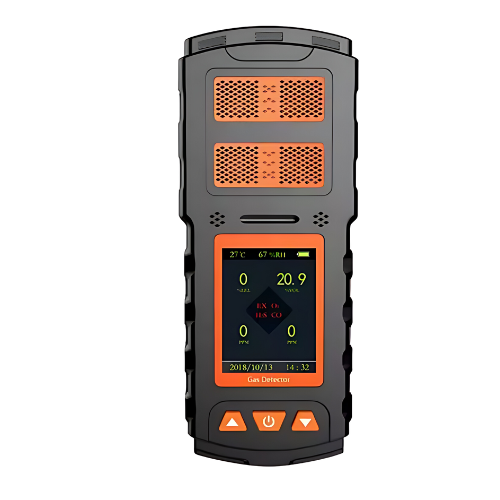
Enviro Forest 4 in 1 Gas Analyzer Monitor Alarm – Protection Grade IP65
-
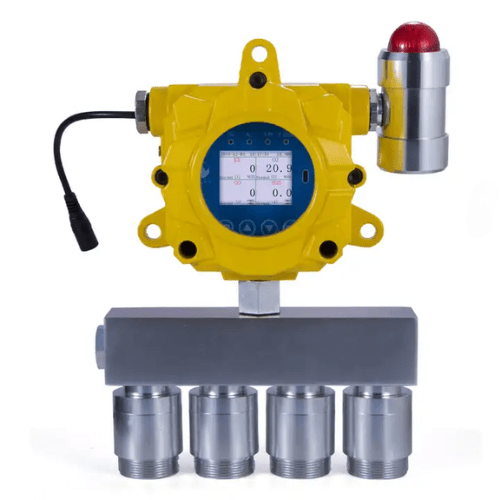
Enviro Forest 4 In 1 Gas Detector
-
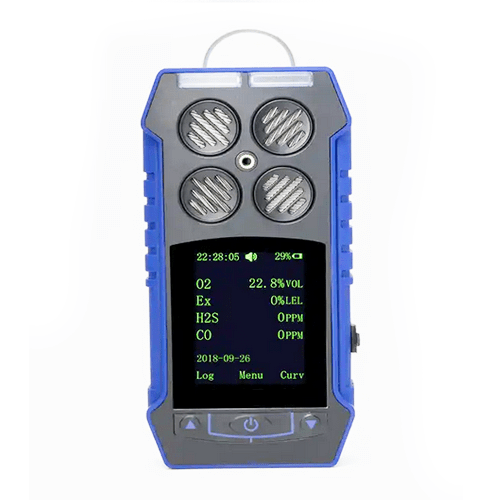
Enviro Forest 4 in 1 Gas Detector
-
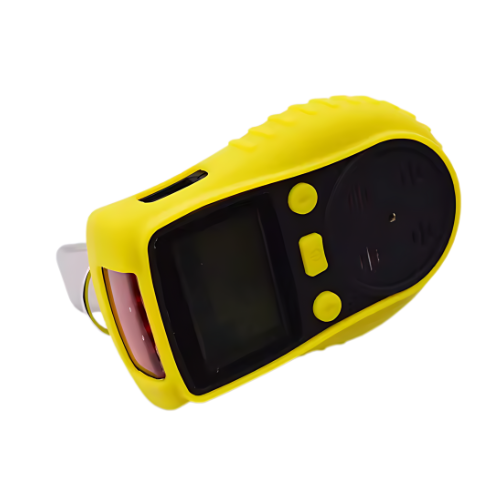
Enviro Forest 4 in 1 Gas Detector Meter
-
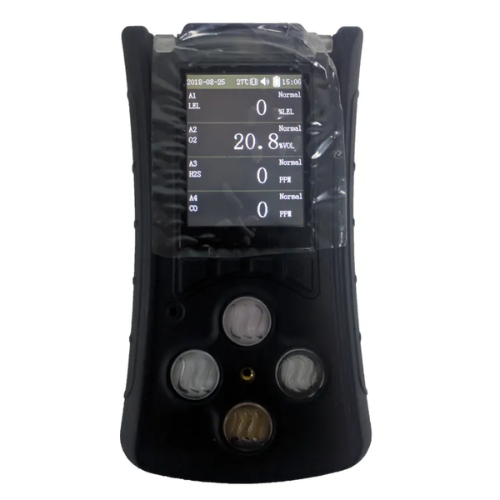
Enviro Forest 4 In 1 Multi Gas Detector
-
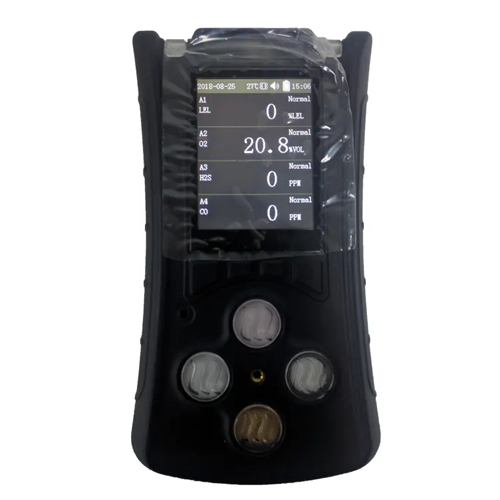
Enviro Forest 4 in 1 Multi Gas Detector