
Methane Leak Detectors
Overview of Methane Leak Detectors for Air Quality and Gas Safety
Methane leak detectors are specialized gas sensing instruments engineered to identify, quantify, and localize methane emissions across industrial and environmental monitoring scenarios. These systems combine precision sensing technologies such as infrared absorption, catalytic bead sensors, and laser-based spectroscopy to detect methane at trace to high concentration levels. Reliable detection is critical in forestry operations, biomass processing zones, and remote environmental sites where methane accumulation presents both safety hazards and environmental compliance risks.
Deployment typically spans fixed installations, portable inspection units, and drone-integrated sensing modules for large-scale coverage. Measurement accuracy, response time, and detection thresholds define system performance. Modern methane detection platforms integrate real-time telemetry, edge processing, and cloud-based analytics to support proactive gas safety strategies and emissions tracking across distributed forest ecosystems and industrial operations.
Methane leak detectors refer to engineered gas detection systems designed to sense methane concentrations in ambient air, enclosed environments, and process pipelines. These instruments are calibrated specifically for methane gas detection, often expressed in parts per million or percentage of lower explosive limit.
Sensor Technologies Used in Methane Detection Systems
Enviro Forest designs and supports methane detection solutions using multiple sensing principles depending on deployment requirements:
- Infrared absorption sensors measure methane concentration by detecting wavelength-specific absorption of infrared light
- Tunable diode laser absorption spectroscopy systems enable high-precision, long-range methane detection with minimal cross-sensitivity
- Catalytic bead sensors detect combustible gases through oxidation reactions producing measurable heat changes
- Photoacoustic spectroscopy sensors provide ultra-sensitive detection in low-concentration environmental monitoring scenarios
- Semiconductor-based sensors used for cost-effective detection in non-critical monitoring applications
Product Variants Based on Deployment Model
- Fixed methane detectors for continuous monitoring in processing facilities and enclosed environments
- Portable methane leak detectors for field inspections, maintenance, and compliance audits
- Open-path methane detectors for perimeter and large-area monitoring across forest operations
- Drone-mounted methane sensing payloads for aerial surveying of remote or inaccessible zones
- Vehicle-integrated methane analyzers for mobile leak detection across pipeline networks
Each configuration is selected based on environmental conditions, required sensitivity, monitoring coverage, and regulatory obligations.
Methane leak detection systems deployed across environmental testing and measurement ecosystems require more than basic sensing. Performance depends on how effectively the system integrates detection accuracy, communication, and operational resilience.
Detection Performance and Sensitivity Engineering
- Detection ranges from sub-ppm levels to explosive concentration thresholds depending on sensor configuration
- Fast response times below a few seconds enable rapid hazard identification
- Automatic calibration routines reduce drift and maintain measurement accuracy over time
- Cross-sensitivity mitigation algorithms differentiate methane from other hydrocarbons
Data Acquisition and Communication Architecture
- Real-time data streaming via industrial protocols such as Modbus, OPC UA, and MQTT
- Integration with SCADA systems for centralized monitoring and control
- Edge computing capabilities for on-device analytics and threshold-based alerts
- Cloud integration for historical data analysis and emissions reporting
Environmental Durability and System Reliability
- IP-rated enclosures designed for harsh forestry and outdoor conditions
- Temperature compensation mechanisms for stable operation across varying climates
- Explosion-proof certifications for deployment in hazardous environments
- Long-life sensors with minimal maintenance requirements
Configurability and System Integration
- Adjustable alarm thresholds aligned with regulatory and operational safety requirements
- Multi-gas detection configurations for combined methane and volatile organic compound monitoring
- Wireless sensor networks enabling scalable deployment across large forested areas
- Integration with GIS mapping platforms for spatial visualization of methane emission sources
Enviro Forest incorporates these capabilities into system architectures that support both localized monitoring and large-scale environmental surveillance.
Methane detection plays a critical role across industries where organic decomposition, biomass processing, or gas transport occurs. The following applications reflect real-world deployment scenarios:
- Biomass energy plants monitor methane emissions from anaerobic digestion processes to maintain safe operating conditions and optimize energy yield
- Forestry waste decomposition sites require methane detection to prevent gas buildup and ensure compliance with environmental safety standards
- Landfill-adjacent forest monitoring programs track methane migration into surrounding ecosystems for environmental impact assessment
- Pulp and paper processing facilities detect methane leaks in chemical recovery systems to maintain operational safety and regulatory compliance
- Natural gas pipeline corridors passing through forested regions use mobile methane detectors for leak detection and preventive maintenance
- Wetland and peatland monitoring projects measure methane flux to support climate research and carbon accounting initiatives
- Remote forest installations deploy drone-based methane sensors to identify emissions from inaccessible or hazardous zones
- Biogas production facilities rely on continuous methane monitoring to optimize gas capture efficiency and prevent system failures
- Environmental compliance audits use portable methane analyzers for on-site inspection and validation of emission control measures
- Fire risk management programs detect methane accumulation in enclosed forest storage areas to mitigate explosion hazards
Each application emphasizes precision measurement, operational safety, and environmental accountability.
Regulatory Standards and Certifications
- EPA Method 21
- EPA OOOOa Methane Regulations
- OSHA 29 CFR 1910.146
- ANSI ISA 12.13.01
- UL 913 Intrinsically Safe Equipment
- CSA C22.2 No. 152 Combustible Gas Detection
- NFPA 820 Standard for Fire Protection in Wastewater Facilities
- API RP 500 and API RP 505
- Environment and Climate Change Canada Methane Regulations
- CSA Z662 Oil and Gas Pipeline Systems
Methane detection systems must deliver consistent performance across diverse environmental and industrial conditions. Enviro Forest has established a strong presence across North America by focusing on engineering precision, system reliability, and practical deployment requirements.
Precision Measurement and Detection Accuracy
- High-resolution sensing technologies capable of detecting low-level methane emissions before they escalate into safety risks
- Advanced signal processing algorithms reduce noise and improve detection reliability in complex environments
- Calibration traceability ensures compliance with regulatory measurement standards
Scalable System Architecture
- Modular system design allows expansion from single-point monitoring to distributed sensor networks
- Compatibility with existing industrial infrastructure reduces integration complexity
- Support for hybrid deployments combining fixed, portable, and aerial detection systems
Operational Efficiency and Maintenance Optimization
- Low power consumption enables long-term deployment in remote forest environments
- Predictive maintenance features reduce downtime and operational disruptions
- Remote diagnostics allow centralized management of geographically dispersed systems
Environmental and Field Deployment Readiness
- Ruggedized hardware designed for high humidity, dust exposure, and temperature variability
- Wireless communication options reduce installation constraints in forested terrain
- Autonomous operation capabilities support monitoring in off-grid locations
Data-Driven Environmental Monitoring
- Integration with environmental data platforms enables correlation with temperature, humidity, and atmospheric conditions
- Historical data analysis supports emissions trend identification and regulatory reporting
- Spatial mapping capabilities enhance leak localization and response planning
Experience across real-world deployments has shown that methane detection effectiveness depends on system integration as much as sensor accuracy. Enviro Forest emphasizes complete measurement ecosystems rather than isolated instruments.
Organizations evaluating methane detection technologies for environmental monitoring, industrial safety, or regulatory compliance benefit from tailored system design and technical consultation. Enviro Forest provides engineering guidance, product selection support, and integration expertise based on operational requirements and site conditions.
Connect with our team through our Contact Us page to discuss methane leak detector configurations, request technical specifications, or explore deployment strategies aligned with your environmental measurement objectives.
Showing 1–15 of 201 results
-
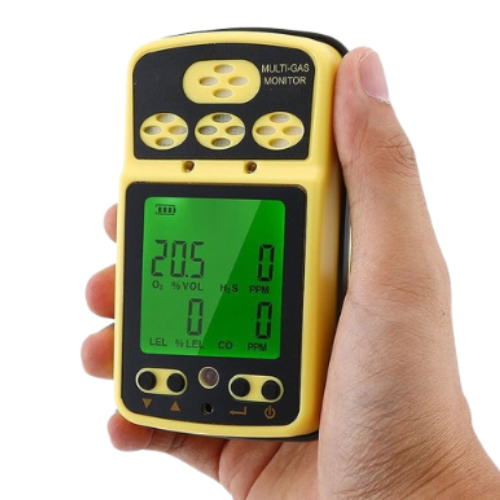
4 – in – 1 Portable Multi – Gas Detector with LCD and Rechargeable Battery – Enviro Forest
-
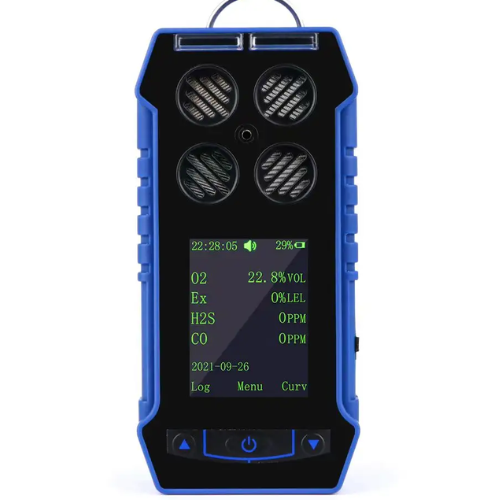
4 In 1 Gas Detector Analyzer with Specifically Methane– Enviro Forest
-
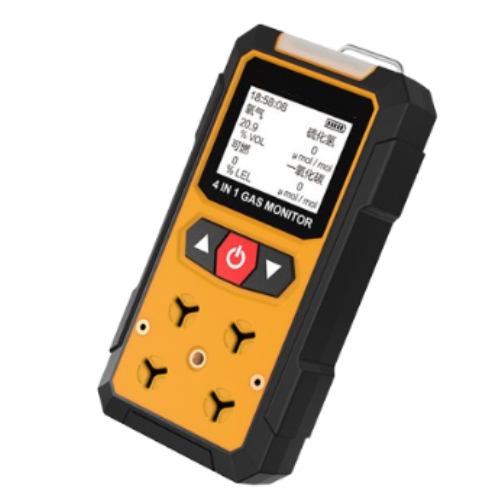
4 in 1 Portable Gas Detector – Flammable Gas Safety Device
-
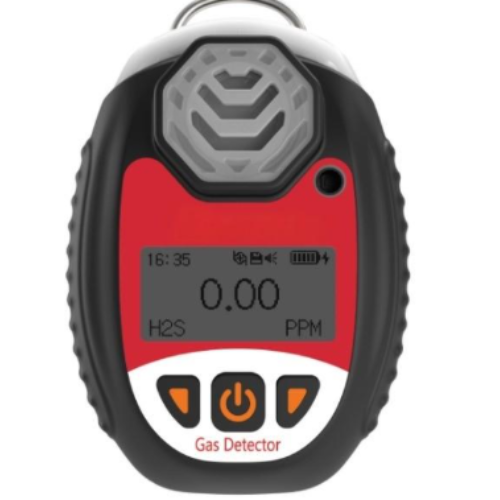
Advanced H2S Gas Detector with Multi Alarm and Data Logging– Enviro Forest
-
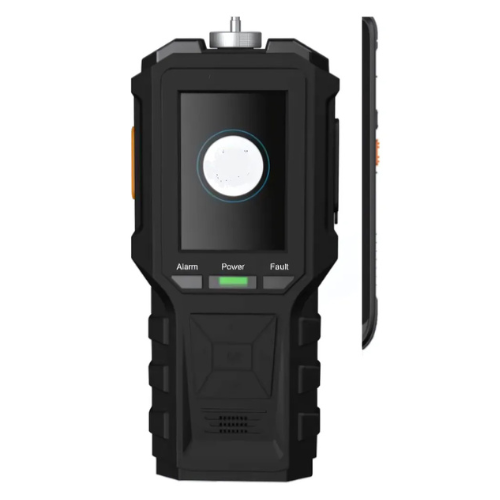
Advanced Pumped Laser Methane Detector with TDLAS Tech – Enviro Forest
-

CE Approved Kitchen Natural Gas Propane CO Methane Detector – Enviro Forest
-
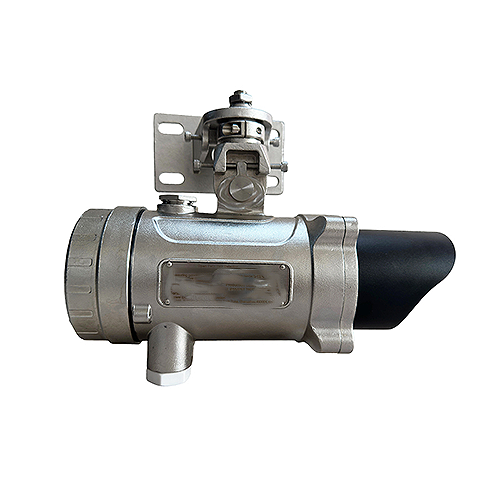
CH4 Gas Detector Laser Methane Single Gas 3 Wire 4-20mA Output – Enviro Forest
-
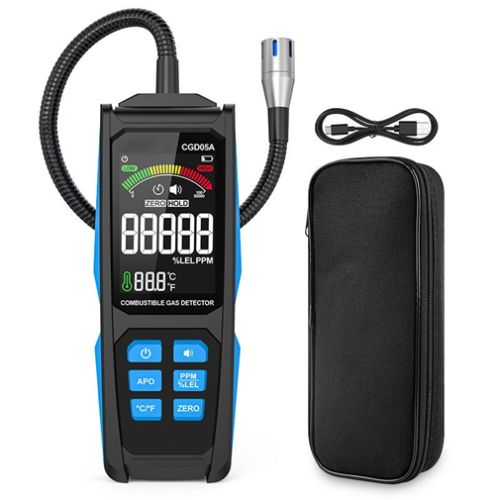
Coal Gas Analyzer PPM Meter Methane Leak Combustible Gas Detector – Enviro Forest
-
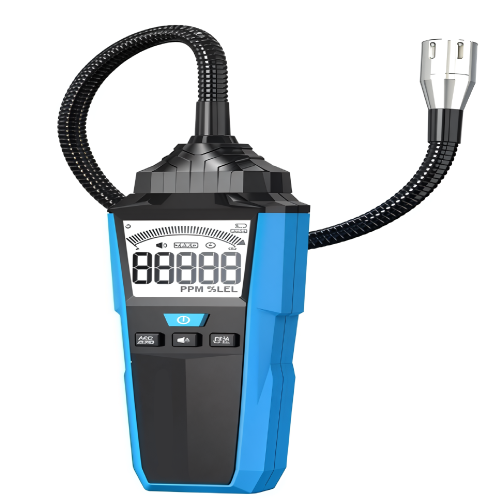
Combustible CH4 Methane Gas Detector LCD Color Screen Display – Enviro Forest
-
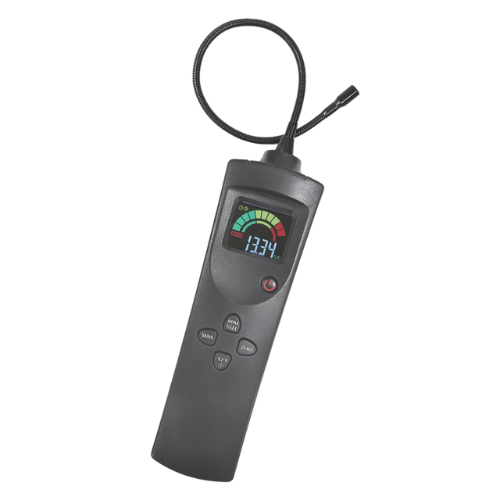
Digital Portable Multi – Gas Detector with Fast Response and Alarm – Enviro Forest
-
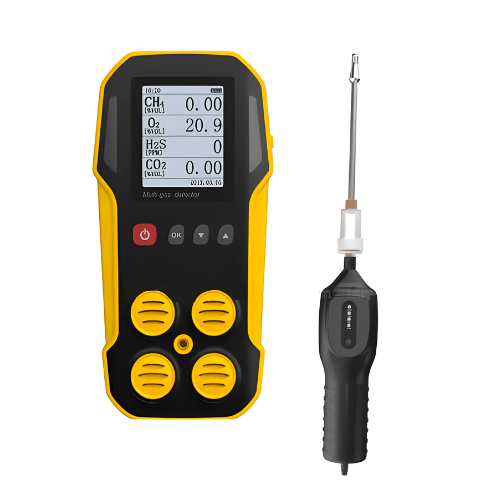
Enviro Forest Biogas Analyzer Detector
-
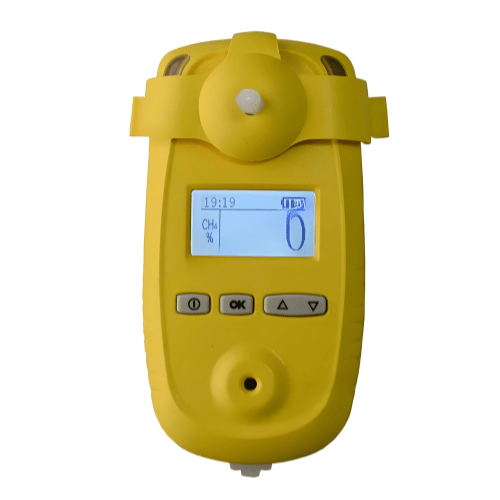
Enviro Forest CH4 Gas Detector
-
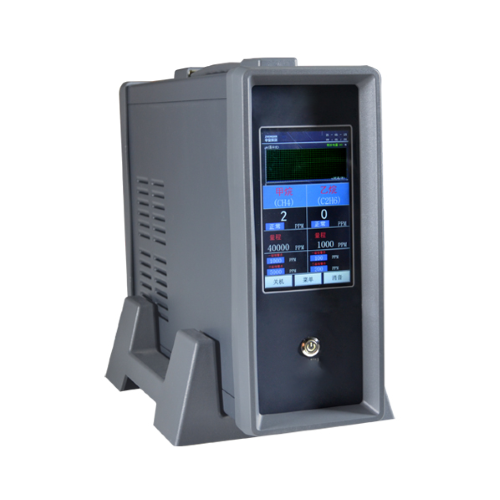
Enviro Forest CH4 portable gas analyser
-
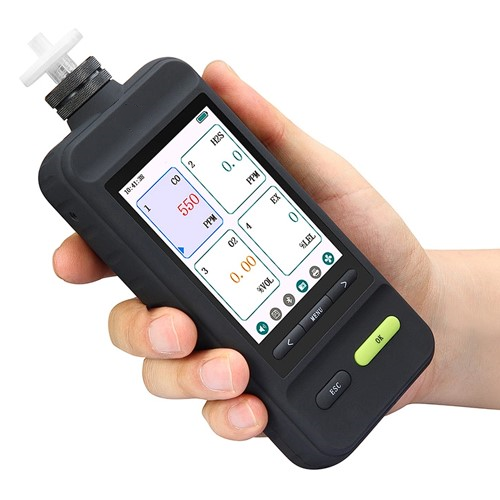
Enviro Forest Compact Methane Gas Detector
-
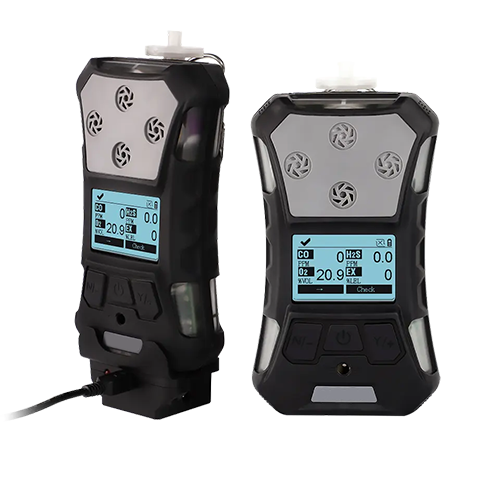
Enviro Forest Compact Methane Gas Detector