
Chemical Gas Sensors
Chemical gas sensors enable precise detection and quantification of gaseous compounds in dynamic outdoor and forested environments. These sensing systems measure concentrations of gases such as carbon monoxide, methane, nitrogen oxides, and volatile organic compounds using electrochemical, infrared, catalytic, or photoionization principles. Wireless deployment allows distributed sensing across large forest landscapes, supporting real-time environmental analysis, emissions tracking, and safety monitoring.
Integration with remote telemetry platforms ensures continuous data acquisition from difficult terrains, enabling faster response to ecological changes, fire risks, and industrial impacts. Sensor nodes are typically designed for low power consumption, rugged enclosures, and long-term calibration stability, making them suitable for extended deployment in forestry operations, conservation zones, and resource management systems where accurate atmospheric measurements are critical.
Sensor Types and Measurement Principles
Chemical gas sensors refer to electronic devices that detect and measure specific gas species through chemical interactions or physical absorption phenomena. Within forest-based environmental measurement systems, these sensors are engineered for durability, selectivity, and field reliability.
Electrochemical Gas Sensors
Electrochemical sensors measure gas concentration through oxidation or reduction reactions occurring at an electrode surface. Generated current is proportional to gas concentration. These sensors are commonly used for detecting toxic gases such as carbon monoxide and hydrogen sulfide in forest environments impacted by industrial activities.
Non-Dispersive Infrared Sensors
Non-dispersive infrared sensors detect gases such as carbon dioxide and methane by measuring absorption of infrared light at specific wavelengths. These sensors are preferred for long-term monitoring due to their stability and minimal cross-sensitivity.
Catalytic Bead Sensors
Catalytic sensors operate by oxidizing combustible gases on a heated bead and measuring temperature changes. These are typically used in fire-prone forest areas to detect hydrocarbon buildup and potential ignition risks.
Photoionization Detectors
Photoionization detectors measure volatile organic compounds by ionizing gas molecules using ultraviolet light. These sensors are essential in monitoring emissions from logging operations or nearby industrial sources.
Enviro Forest integrates these sensing technologies into wireless field sensor platforms, enabling scalable deployment across forestry monitoring networks.
Multi-Gas Detection and Selectivity Engineering
Chemical gas sensors developed by Enviro Forest support simultaneous detection of multiple gases through modular sensor arrays. Each sensing element is optimized for selectivity, minimizing interference from humidity, temperature variation, and cross-gas contamination.
Calibration algorithms are implemented to maintain accuracy over time, especially in forest conditions where environmental variability can affect readings.
Wireless Communication and Edge Processing
Sensor nodes are equipped with wireless communication protocols such as LoRaWAN, cellular LTE-M, or satellite uplink depending on deployment location. Edge processing capabilities allow preliminary data filtering, anomaly detection, and threshold-based alerts before transmission.
Environmental Hardening and Field Durability
Enclosures are designed to meet IP-rated standards for dust, moisture, and temperature resistance. Sensors operate reliably in conditions involving heavy rainfall, dense vegetation, and fluctuating thermal conditions typical of forest ecosystems.
Power Management and Autonomous Operation
Low-power electronics combined with solar energy harvesting enable long-term autonomous operation. Power optimization techniques include duty cycling, adaptive sampling rates, and sleep-mode configurations.
Integration with Environmental Data Systems
Chemical gas sensors can be integrated into centralized monitoring platforms, GIS systems, and analytics dashboards. APIs and industrial communication protocols such as MQTT and Modbus ensure compatibility with existing infrastructure.
Enviro Forest has built a strong reputation across North America by focusing on reliable deployment models, ensuring consistent performance even in remote forestry monitoring environments.
- Monitoring carbon monoxide and methane levels in forest areas to assess fire risk and combustion activity.
- Measuring greenhouse gas emissions in reforestation and conservation projects for environmental compliance and reporting.
- Detecting volatile organic compounds near logging operations to evaluate air quality and worker exposure levels.
- Tracking nitrogen oxide emissions from nearby industrial zones impacting forest ecosystems and biodiversity.
- Supporting wildfire early warning systems by identifying combustible gas accumulation in high-risk regions.
- Monitoring landfill gas migration into forested areas adjacent to waste management facilities.
- Evaluating air quality in protected forest reserves to support ecological research and conservation planning.
- Measuring gas emissions during controlled burns to ensure regulatory compliance and environmental safety.
- Detecting hazardous gases in remote forestry equipment zones to improve worker safety and operational awareness.
- Monitoring atmospheric chemistry changes influenced by climate variability and human activity in forest regions.
- Supporting environmental impact assessments for infrastructure projects near forest ecosystems.
Enabling real-time gas monitoring in forest-based carbon credit and sustainability programs.
- EPA Clean Air Act Regulations
- OSHA Gas Exposure Standards
- NIOSH Recommended Exposure Limits
- ANSI Environmental Monitoring Standards
- CSA Air Quality and Gas Detection Standards
- Environment and Climate Change Canada Regulations
- Canadian Ambient Air Quality Standards
- UL Certification for Gas Detection Equipment
- FCC Wireless Communication Compliance
High Measurement Accuracy in Variable Conditions
Sensor calibration models are designed to compensate for temperature drift, humidity fluctuations, and altitude variations commonly found in forest terrains. This ensures reliable data collection across seasons and geographic variations.
Modular Sensor Architecture
Systems are built using modular sensor cartridges, allowing easy replacement, upgrade, or customization based on specific gas monitoring requirements. This reduces maintenance downtime and extends system lifecycle.
Low False Alarm Rates
Advanced filtering algorithms and cross-sensitivity correction reduce false positives. This is critical in forestry applications where unnecessary alerts can disrupt operations and response planning.
Scalable Network Deployment
Wireless sensor networks can be scaled from small localized deployments to large forest-wide monitoring systems. Network architecture supports mesh and star topologies depending on terrain and communication constraints.
Data Integrity and Security
Encrypted data transmission and secure device authentication protect sensitive environmental data. This is particularly important for regulatory reporting and industrial compliance use cases.
Proven Field Reliability
Enviro Forest has established itself as a trusted provider of advanced environmental measurement solutions through rigorous testing, continuous product refinement, and a strong focus on real-world deployment challenges. Our systems are engineered based on field feedback from forestry professionals, environmental engineers, and system integrators.
Organizations seeking reliable chemical gas sensing solutions for forestry and environmental monitoring can benefit from expert guidance, system design support, and tailored deployment strategies. Our team works closely with engineers, procurement specialists, and system integrators to ensure optimal performance and compliance.
Reach out through our dedicated contact page to discuss your requirements, request technical specifications, or explore integration options by visiting our Contact Us page.
Showing all 14 results
-
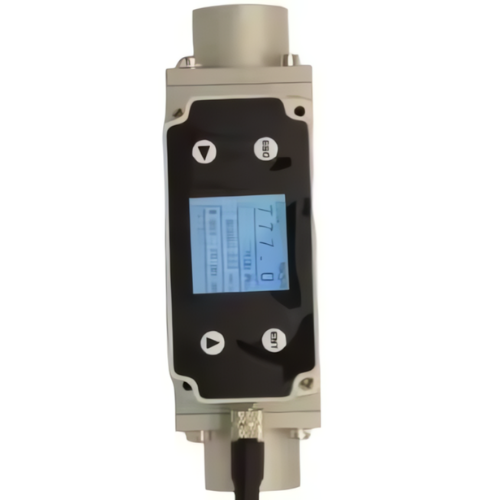
C3H6O3 HNO3 Mass Flow Sensor for Liquid and Cleaning Agents – Enviro Forest
-
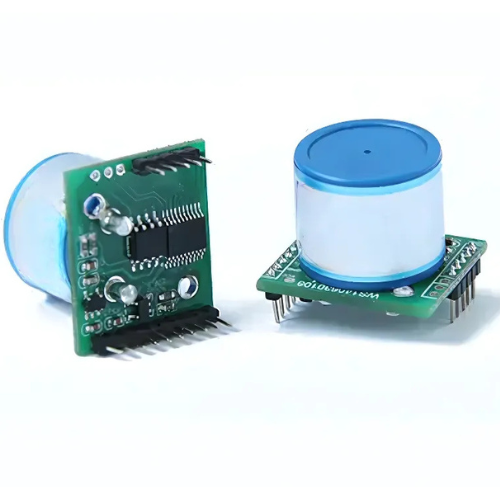
Electrochemical Gas Sensor for Toxic Gas Detection Module – Enviro Forest
-
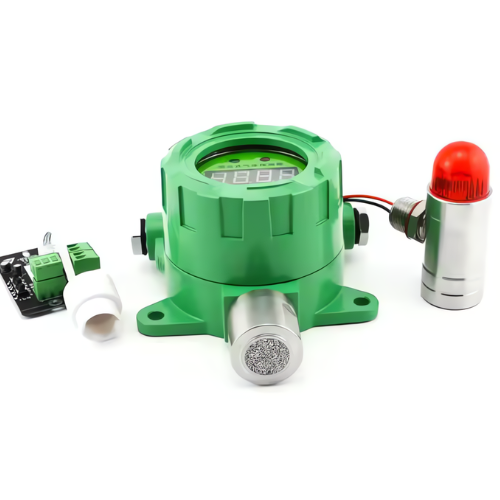
Explosion Proof Ethylene Methane Gas Detector with LCD Alarm – Enviro Forest
-
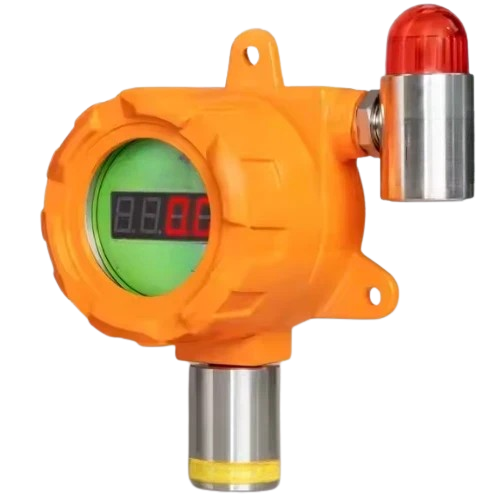
Fixed Digital Display Vehicle Emission Gas Analyzer with Alarm – Enviro Forest
-
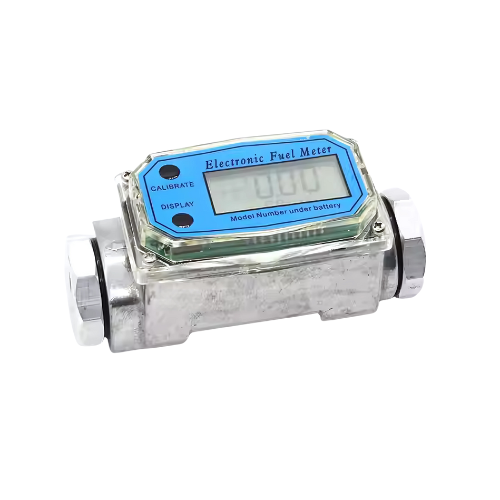
High Precision Electronic Fuel Oil Meter for Liquids – Enviro Forest
-
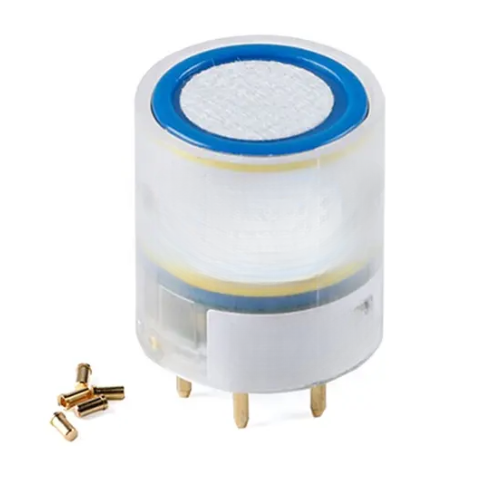
Hydrogen Sulfide Gas Sensor H2S for Chemical and Plants – Enviro Forest
-

Industrial Grade Electrochemical Carbon Monoxide – Enviro Forest
-
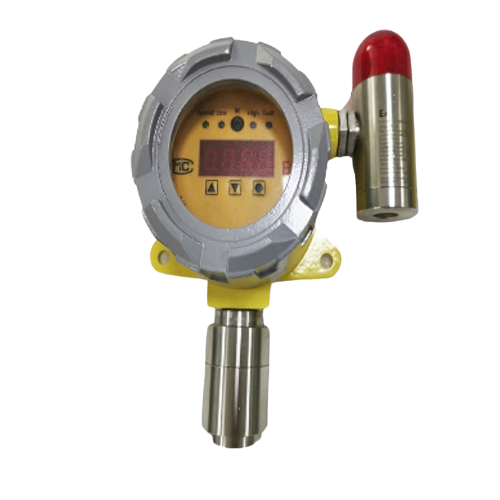
Long Lifetime Fixed Oxygen O2 Sensor for Chemical Industry – Enviro Forest
-
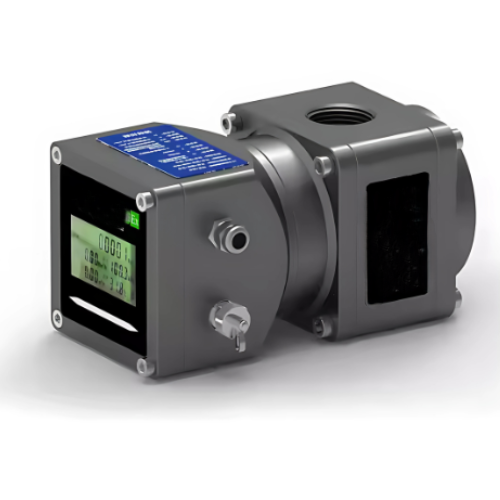
OEM Digital LPG Gas Flow Meter I2C RS485 Roots Flowmeter – Enviro Forest
-
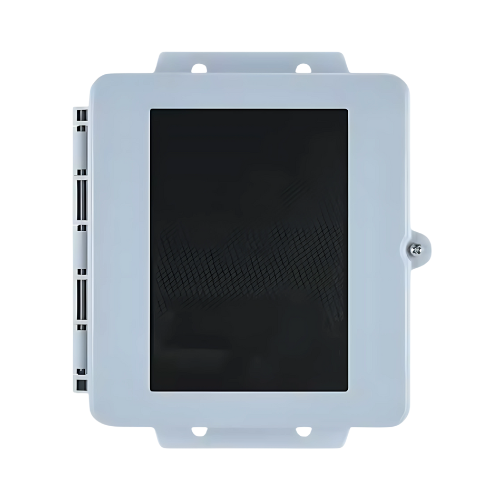
Optical 0 to 10 PPM H2S Gas Detector Pump Sensor Type for Chemical – Enviro Forest
-
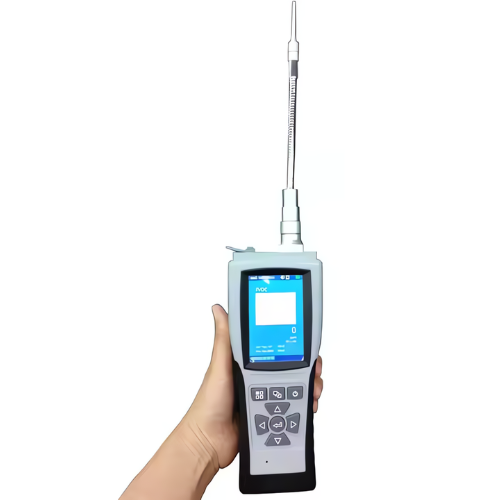
Portable CO Electrochemical Gas Detector with H2 Compensation – Enviro Forest
-
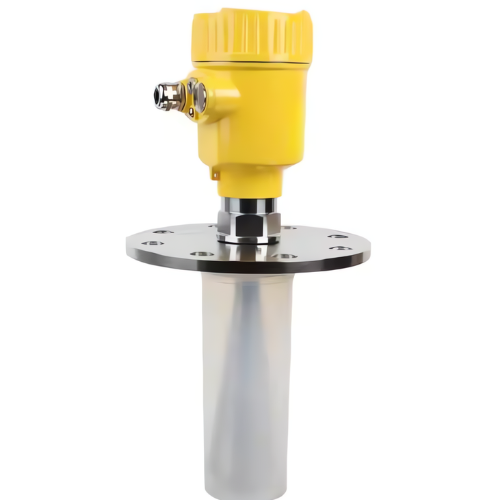
Radar Level Sensor for Chemical and Oil and Gas Industries – Enviro Forest
-
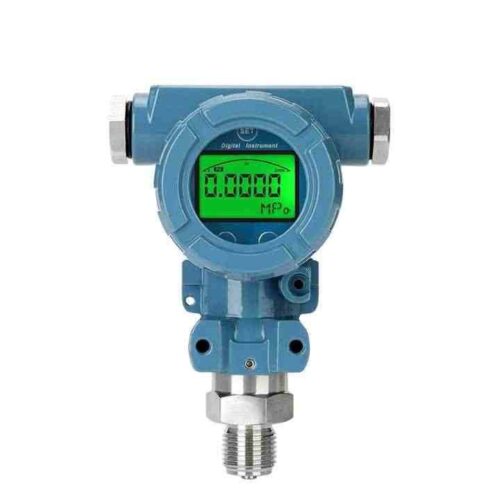
Smart Industrial 40MPa HART Pressure Sensor for Oil & Gas – Enviro Forest
-
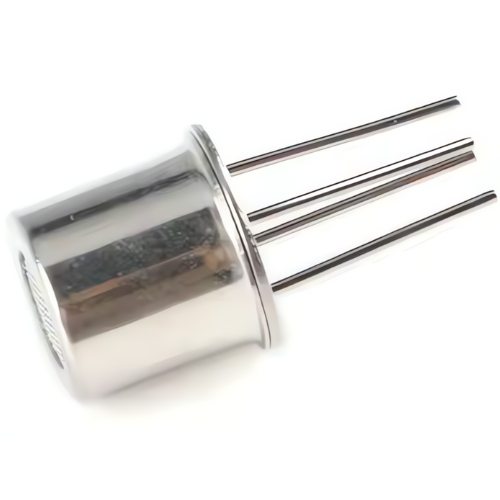
Ultra Low Power CO2 Sensor Semiconductor for Chemicals – Enviro Forest