
Solar Panels
Overview of Solar Panels
Solar panels convert incident solar radiation into electrical energy through photovoltaic cell arrays, enabling reliable off-grid and hybrid power for instrumentation deployed in remote and environmentally sensitive zones. Within forestry operations, ecological research sites, and distributed sensing networks, photovoltaic modules support continuous operation of environmental monitoring equipment, telemetry systems, and low-power data acquisition platforms.
System design emphasizes energy yield optimization under variable irradiance, temperature fluctuations, canopy shading, and seasonal weather patterns typical in forested environments. Panel configurations are commonly paired with charge controllers, energy storage systems, and load management circuitry to maintain uninterrupted measurement cycles.
Solar energy systems serve as a foundational power layer for long-term environmental observation deployments, reducing dependence on diesel generators and minimizing operational footprint while maintaining data integrity across diverse terrain conditions.
Photovoltaic Module Types for Field-Based Energy Generation
Solar panels used in environmental measurement infrastructure are engineered assemblies of photovoltaic cells that generate direct current electricity through the photovoltaic effect. These modules are categorized based on cell structure, material composition, and application-specific performance characteristics.
Common solar panel types include:
- Monocrystalline photovoltaic modules
High-efficiency silicon-based panels optimized for limited installation space and high energy density requirements in dense forest installations - Polycrystalline photovoltaic modules
Cost-efficient modules suitable for distributed sensor networks where surface area constraints are less critical - Thin-film photovoltaic panels
Lightweight and flexible modules adapted for irregular mounting surfaces, portable monitoring stations, and temporary deployments - Bifacial solar panels
Dual-sided modules that capture reflected radiation from ground or canopy surfaces, improving yield in open forest clearings - Portable solar panel kits
Compact, deployable systems designed for mobile environmental testing units and rapid-response field assessments
Each configuration is selected based on load requirements, geographic solar exposure, mounting constraints, and system longevity expectations.
Advanced Functional Performance for Environmental Measurement Systems
Solar panels integrated into environmental testing infrastructures require precise engineering to support continuous data acquisition under variable field conditions. Performance characteristics extend beyond nominal wattage ratings to include real-world energy reliability metrics.
Key capabilities include:
- High conversion efficiency under low irradiance conditions
Optimized cell structures maintain output during cloudy weather and under partial canopy shading - Temperature coefficient optimization
Panels designed to minimize efficiency loss in high-temperature environments typical of exposed forest zones - Spectral response tuning
Enhanced absorption across broader wavelengths to improve generation during early morning and late afternoon cycles - Mechanical robustness
Reinforced frames and tempered glass construction resist moisture ingress, debris impact, and biological exposure - Anti-soiling and hydrophobic coatings
Surface treatments reduce performance degradation from dust, pollen, and organic accumulation - Modular scalability
System expansion through parallel and series configurations to support increasing instrumentation loads
Configuration and Integration Options
Solar panel systems are engineered as part of a broader power architecture tailored for environmental monitoring systems.
Configuration options include:
- Fixed-tilt mounting systems
Simplified installations optimized for specific geographic latitudes and seasonal solar angles - Adjustable tilt and tracking mounts
Mechanical systems that improve energy capture by adjusting panel orientation relative to solar position - Integrated charge controllers
Maximum Power Point Tracking controllers ensure optimal energy extraction and battery charging efficiency - Battery storage integration
Lithium-ion or deep-cycle lead-acid systems designed to support nighttime operation and low-sunlight conditions - Hybrid energy systems
Integration with wind turbines or backup generators for redundancy in critical monitoring installations - Remote monitoring capabilities
Embedded telemetry for real-time performance diagnostics and predictive maintenance planning
Enviro Forest incorporates these configurations into tailored solutions based on site-specific environmental and operational constraints.
Use Cases Across Forestry and Ecosystem Monitoring Infrastructure
- Powering remote forest climate monitoring stations collecting temperature, humidity, and atmospheric pressure data for long-term ecological studies
- Supporting wildlife tracking systems with GPS and telemetry units operating continuously in protected forest reserves
- Enabling soil moisture and nutrient analysis sensors in reforestation zones for precision forestry management
- Supplying energy to air quality monitoring stations measuring particulate matter and gas concentrations in logging impact zones
- Providing reliable power for hydrological monitoring systems tracking stream flow, water quality, and watershed health
- Supporting fire detection sensor networks with real-time data transmission in wildfire-prone forest regions
- Enabling acoustic monitoring systems for biodiversity assessment through continuous audio data capture
- Powering edge computing devices processing environmental data locally before transmission to central systems
- Supporting satellite communication systems in remote forest research stations with no grid connectivity
- Providing energy for automated weather stations deployed across large forestry concessions
- Powering environmental compliance monitoring equipment required for regulatory reporting in forestry operations
- Supporting drone charging stations used for aerial mapping, canopy analysis, and forest health assessment
- Enabling carbon sequestration measurement systems in managed forest ecosystems
- Supplying energy to perimeter security and intrusion detection systems in conservation areas
- Supporting long-duration environmental impact assessments in infrastructure development near forest zones
Applicable Compliance Frameworks for Environmental Deployment
- UL 1703
- UL 61730
- IEC 61215
- IEC 61730
- CSA C22.2 No. 61730
- NEC Article 690
- IEEE 1547
- FCC Part 15
- California Energy Commission Certification
- Natural Resources Canada Photovoltaic Standards
- ISO 9001
- ISO 14001
Engineering Differentiators in Field-Based Power Systems
Enviro Forest designs solar panel solutions specifically for long-duration environmental measurement deployments, where reliability, efficiency, and environmental resilience are critical.
Key advantages include:
- High energy yield consistency
Panel designs account for diffuse light conditions common in forested environments, ensuring stable power output - System-level optimization
Integrated design approach aligns panel output with sensor load profiles, reducing energy waste and improving uptime - Environmental durability
Materials and construction methods selected to withstand humidity, biological exposure, and seasonal weather extremes - Reduced maintenance requirements
Surface coatings and robust mounting systems minimize the need for frequent field servicing - Scalable architecture
Modular systems allow incremental expansion as monitoring requirements evolve - Compatibility with instrumentation ecosystems
Designed to integrate with data loggers, telemetry units, and environmental sensors commonly used in forestry applications - Energy storage optimization
Battery pairing strategies ensure reliable operation during low solar availability periods - Proven field performance
Systems deployed across diverse terrains demonstrate stable operation in real-world forestry and ecological monitoring scenarios
Enviro Forest has built a strong reputation across North America by aligning product engineering with the operational realities of environmental testing deployments. Through continuous research, rigorous quality assurance, and field-driven product refinement, we enable organizations to maintain uninterrupted monitoring capabilities while reducing operational complexity.
Organizations seeking reliable solar power systems for environmental monitoring, forestry operations, or distributed measurement networks can benefit from tailored engineering support and product selection guidance.
To discuss system requirements, integration strategies, or technical specifications, connect with our team through the Enviro Forest contact page at Contact Us, where our specialists can assist with solution design, product inquiries, and deployment planning.
Showing 1–15 of 198 results
-
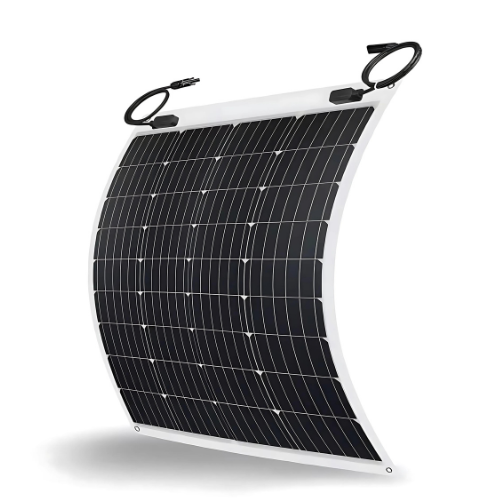
Flexible Solar Panel ETFE Solar Cells 18 Cells 100W Flexible Solar Panel 50W, 60W, 12V, 24 Volt Bendable Solar Panel – Enviro Forest
-
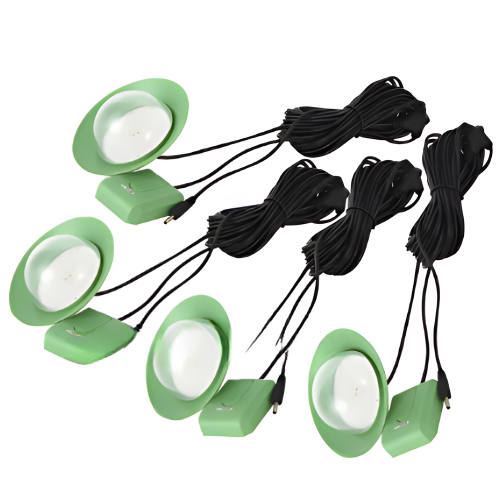
10 V/20 W Solar Panel Portable With LiFePo4 Battery – Enviro Forest
-
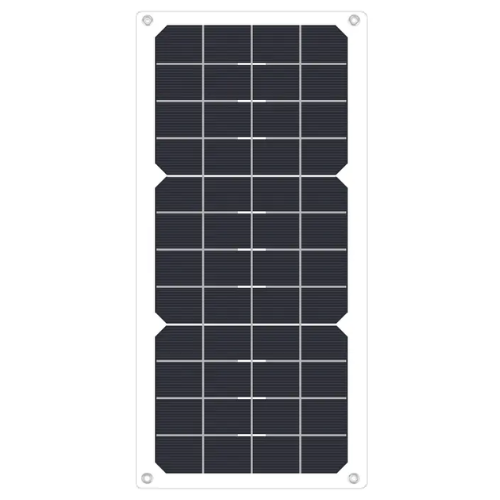
10 W Flexible Mono Solar Cell Panels With High Quality Waterproof Custom – Enviro Forest
-
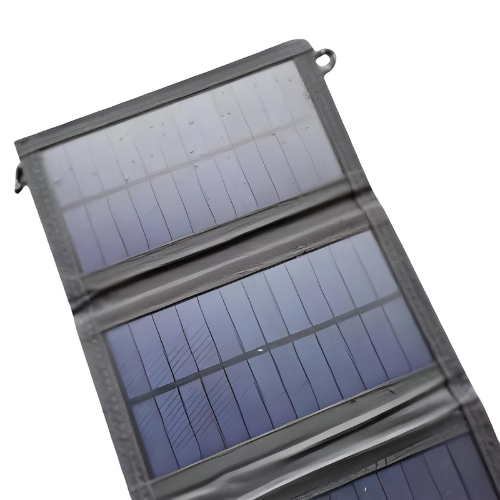
10 W Folding Portable Solar Panel with 20 V Maximum Voltage – Enviro Forest
-
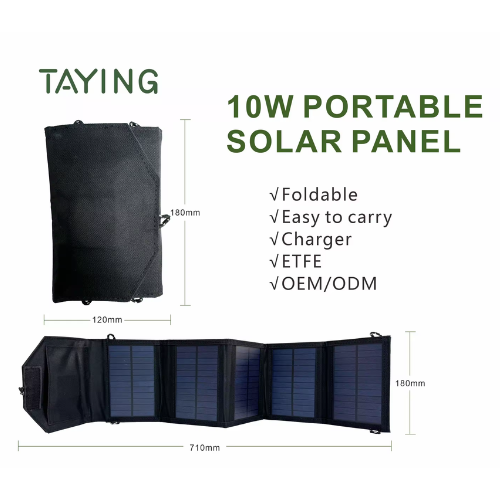
10 W Portable Solar Panel Kit With Foldable Capabilities – Enviro Forest
-
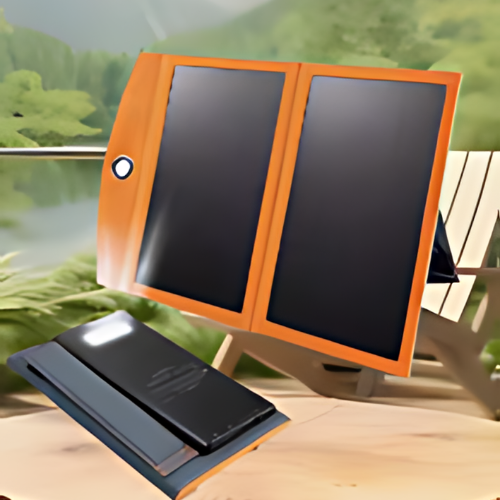
10 W Portable Solar Panel with 10000 mAh Power Bank – Enviro Forest
-
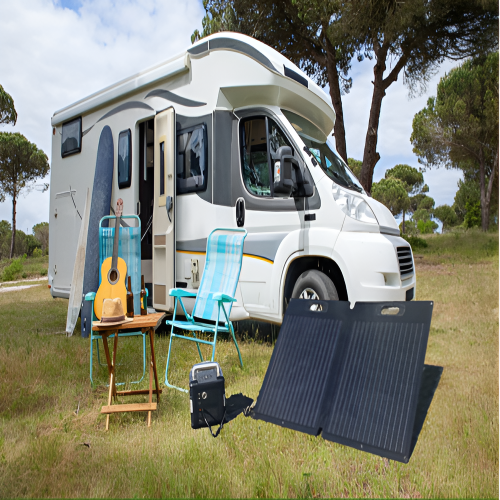
100 W 18 V Ultra-Thin Portable Solar Panel With OEM Silicon Waterproof – Enviro Forest
-
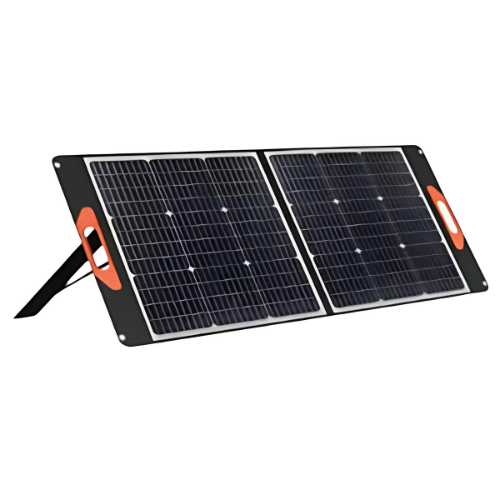
100 W Battery Solar Panel Mini Foldable Panel with 22.4% Panel Efficiency – Enviro Forest
-
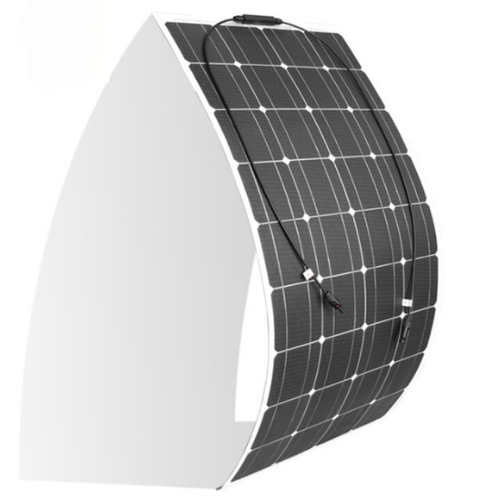
100 W ETFE Flexible Portable Solar Panel With Plastic Or Glass And Aluminum Frame – Enviro Forest
-
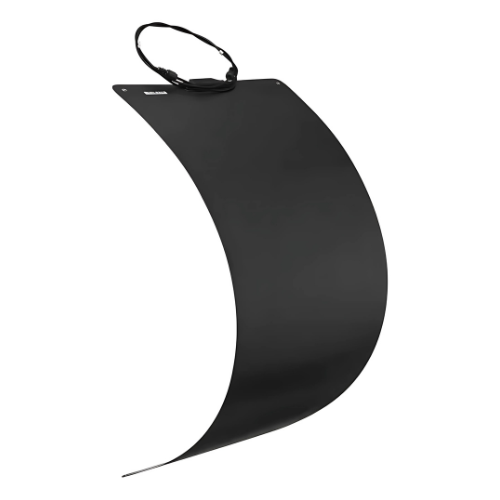
100 W ETFE Flexible Solar Panel with High Efficiency – Enviro Forest
-
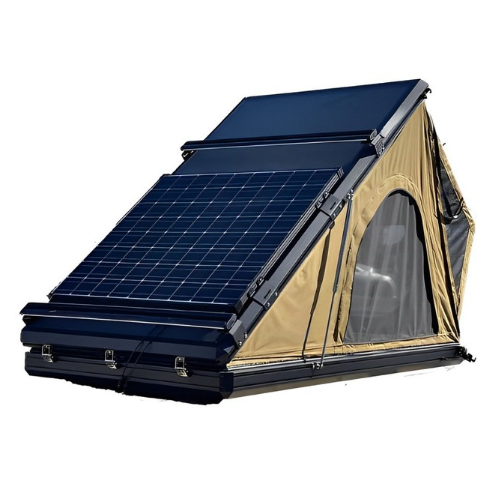
100 W Flexible Roof Top Tent Solar Cell Panels with Portable Functionality – Enviro Forest
-
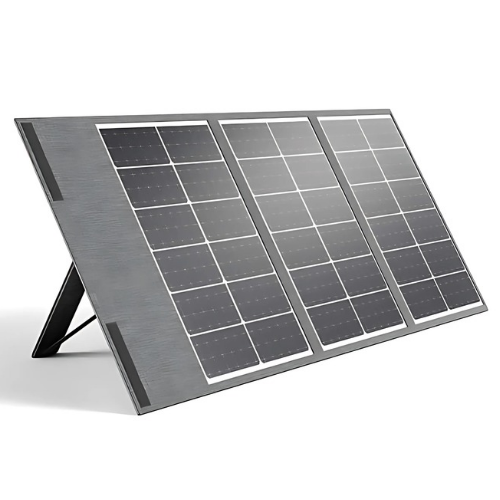
100 W Flexible Solar Panel for Outdoor Camping with Mono Cell – Enviro Forest
-
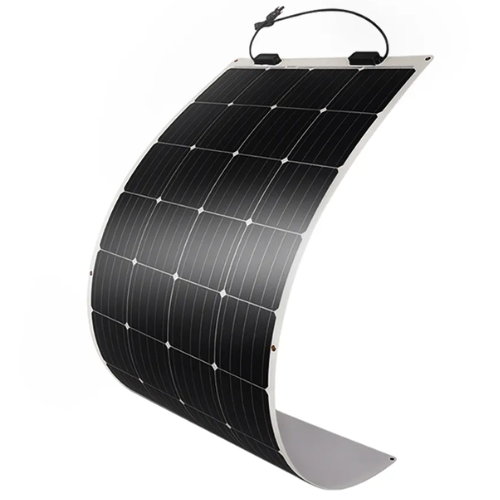
100 W Flexible Solar Panel With 12V Battery – Enviro Forest
-
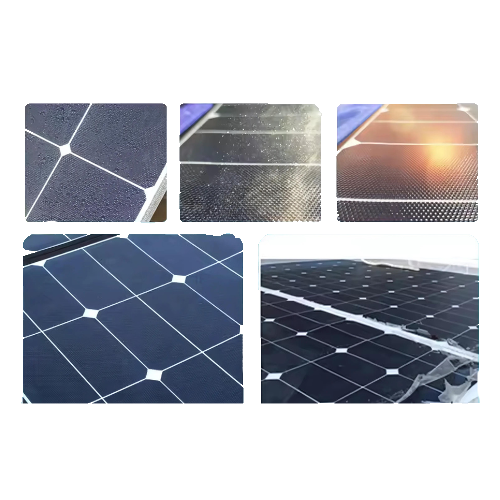
100 W Folded and Portable Solar Panels with ETFE Transparent Film – Enviro Forest
-
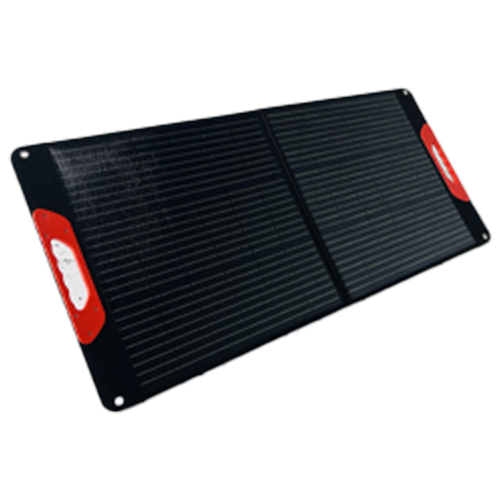
100 W Folding Energy Storage Solar Panel with Waterproof Panel – Enviro Forest