
Field Inspection Tools
Field inspection tools are essential for collecting accurate, real-time data directly from forestry environments, processing facilities, and remote field locations. These instruments are engineered to support on-site diagnostics, material verification, and environmental condition assessment without dependence on laboratory infrastructure.
Modern portable inspection equipment integrates sensor technologies, digital measurement systems, and ruggedized hardware to ensure reliability under variable environmental conditions. Forestry professionals, environmental engineers, and compliance teams rely on these tools to evaluate material integrity, detect inconsistencies, and validate operational processes in real time.
Mobile testing instruments enable faster decision-making by reducing delays associated with sample transport and laboratory analysis. This capability supports improved operational efficiency, enhanced regulatory compliance, and better resource management across forestry and environmental monitoring workflows.
Core Functional Capabilities of Enviro Forest Portable Inspection Instruments
Field inspection tools deployed by Enviro Forest are designed to address the complexities of outdoor measurement and industrial inspection. These tools support a wide range of diagnostic, analytical, and verification functions:
- On-site measurement of material properties such as moisture content, surface roughness, density, and coating thickness
- Real-time environmental condition monitoring including temperature, humidity, and exposure factors
- Detection of surface defects, inconsistencies, and structural variations in wood and composite materials
- Data logging and storage for traceability, audit readiness, and historical analysis
- Rapid validation of processing outcomes in sawmills, treatment plants, and forestry operations
- Support for non-destructive testing methods to preserve sample integrity during inspection
- Integration with digital reporting systems for centralized data management and compliance tracking
These capabilities allow engineers and field technicians to conduct precise evaluations in conditions where laboratory testing is impractical.
Engineering Parameters That Influence Performance and Suitability
Selecting appropriate field inspection tools requires careful evaluation of technical specifications aligned with operational requirements and environmental conditions:
- Measurement Accuracy and Resolution
Determines the reliability of collected data, especially for compliance and quality assurance applications - Sensor Type and Technology
Includes contact, non-contact, optical, and electromagnetic sensors depending on the measurement objective - Environmental Protection Rating
IP ratings for resistance to dust, moisture, and harsh weather conditions commonly encountered in forestry environments - Operating Temperature Range
Critical for ensuring consistent performance in extreme outdoor conditions - Portability and Form Factor
Weight, ergonomics, and handheld usability for extended field deployment - Battery Life and Power Options
Duration of operation in remote locations without access to external power sources - Data Connectivity and Storage
Compatibility with USB, wireless transfer, and cloud-based systems for data synchronization - Calibration and Maintenance Requirements
Frequency and ease of calibration to maintain measurement integrity over time
These specifications directly impact the effectiveness and long-term usability of inspection instruments in demanding field scenarios.
Surface Roughness Gauges
Surface roughness gauges are used to quantify micro-level surface irregularities that affect coating adhesion, moisture retention, and wear resistance. These instruments utilize stylus-based or optical measurement technologies to evaluate parameters such as Ra and Rz. Forestry applications include assessing timber processing quality, validating treatment preparation, and monitoring degradation of exposed surfaces. Portable configurations allow inspectors to perform high-resolution surface analysis directly in the field, supporting immediate decision-making and reducing reliance on laboratory testing.
Moisture Meters
Moisture meters are critical for determining water content in wood and related materials, which directly influences durability, processing efficiency, and susceptibility to biological degradation. These devices operate using pin-type resistance measurement or non-invasive electromagnetic sensing. Field teams use moisture meters to assess drying processes, validate storage conditions, and ensure compliance with material specifications before transportation or treatment. Accurate moisture measurement supports improved product quality and reduces the risk of structural failure or environmental damage.
Coating Thickness Gauges
Coating thickness gauges measure the thickness of protective layers applied to wood, metal, and composite materials. These tools typically employ magnetic induction or eddy current principles to deliver precise, non-destructive measurements. Forestry and environmental applications include verifying preservative treatments, paint coatings, and protective finishes applied to infrastructure components. Field-based measurement ensures that coatings meet specified requirements, contributing to long-term durability and regulatory compliance.
Environmental Meters
Environmental meters capture critical ambient conditions such as temperature, humidity, light intensity, and air quality. These instruments provide essential context for interpreting material behavior and environmental impact. Forestry professionals use environmental meters to monitor site conditions, evaluate exposure risks, and support environmental assessments. Data collected from these devices informs operational decisions related to harvesting, storage, and processing activities.
Distance and Dimension Measurement Tools
Distance and dimension measurement tools are used to capture physical measurements of logs, structures, and site layouts. These tools include laser distance meters and ultrasonic measurement devices that provide accurate readings over varying ranges. Applications include inventory assessment, site planning, and infrastructure inspection. Reliable dimensional data supports efficient resource management and ensures alignment with project specifications.
Field inspection tools are widely used across forestry, environmental monitoring, and industrial operations:
- On-site evaluation of timber quality during harvesting operations to ensure compliance with processing and export standards
- Measurement of moisture content in stored wood to prevent fungal growth and material degradation
- Verification of coating thickness on treated wood used in infrastructure and utility applications
- Monitoring environmental conditions at forestry sites to assess impact on material performance and ecosystem health
- Inspection of wood surface quality prior to finishing processes in manufacturing facilities
- Assessment of structural integrity in wooden bridges, poles, and outdoor installations exposed to environmental stress
- Validation of drying processes in kilns to optimize energy use and material consistency
- Measurement of dimensional accuracy in processed wood products for construction and industrial use
- Monitoring wear and tear in forestry equipment components to prevent operational failures
- Evaluation of environmental compliance in logging and processing activities to meet regulatory requirements
- Inspection of biomass materials used for energy production to ensure quality and consistency
- Analysis of surface conditions for adhesion of coatings and preservatives in treatment facilities
- Field verification of material properties during transportation and storage operations
- ASTM D4442
- ASTM D4417
- ASTM D7091
- ISO 9001
- ISO 14001
- ANSI B46.1
- CSA O86
- EPA Environmental Monitoring Guidelines
- OSHA Workplace Safety Standards
NIST Calibration Traceability
| Instrument Type | Measurement Focus | Portability | Data Output Capability | Typical Use Environment |
| Surface Roughness Gauges | Surface texture and profile | High | Digital, graphical profiles | Field sites, processing facilities |
| Moisture Meters | Water content in materials | High | Numeric readings, logs | Forestry sites, storage facilities |
| Coating Thickness Gauges | Protective layer thickness | High | Digital measurement data | Treatment plants, field inspection |
| Environmental Meters | Ambient conditions | High | Multi-parameter data logs | Outdoor environments, monitoring |
| Distance Measurement Tools | Physical dimensions and spacing | High | Numeric and stored readings | Field surveys, infrastructure sites |
Practical Deployment in Forestry and Industrial Environments
Field inspection tools must operate reliably across a wide range of environmental and operational conditions. Deployment considerations vary depending on the inspection context and measurement requirements:
- Operating Conditions
Instruments must perform consistently in environments with fluctuating temperature, humidity, dust, and exposure to moisture - Mobility Requirements
Lightweight and ergonomic designs are essential for technicians working across large forestry areas or remote sites - Power Management
Battery-powered systems with extended runtime are critical for uninterrupted field operations - Data Handling and Integration
Data collected in the field must be easily transferred to centralized systems for analysis, reporting, and compliance documentation - Calibration and Verification
Regular calibration ensures accuracy, especially when instruments are exposed to harsh conditions - User Training and Usability
Interfaces should support efficient operation by field personnel with varying levels of technical expertise
These factors directly influence the effectiveness of inspection workflows and the reliability of collected data.
Engineering Strengths Supporting Environmental Measurement Excellence
Enviro Forest has established itself as a trusted provider of advanced environmental testing and measurement solutions for the forest industry. Our field inspection tools are designed to address practical challenges encountered in real-world environments while maintaining high standards of accuracy and reliability.
Key technical advantages include:
- Durable construction that withstands demanding outdoor conditions without compromising measurement performance
- High measurement repeatability across different materials and environmental scenarios
- Integration capabilities with digital systems for streamlined data management and reporting
- Flexible configurations that adapt to diverse inspection requirements across forestry operations
- Continuous product development driven by industry feedback and evolving regulatory requirements
Our approach combines engineering precision with practical usability, enabling organizations to improve inspection efficiency and maintain compliance with industry standards.
Common Technical Questions from Engineers and Procurement Teams
What types of measurements can field inspection tools perform?
Field inspection tools can measure surface roughness, moisture content, coating thickness, environmental conditions, and physical dimensions depending on the instrument type.
How accurate are portable inspection instruments compared to laboratory equipment?
Accuracy depends on the device and calibration, but many portable tools provide results within acceptable tolerance ranges for field validation.
Are these tools suitable for harsh outdoor environments?
Most instruments are designed with protective enclosures and environmental resistance to operate reliably in forestry and industrial conditions.
How is data collected and managed in field inspection workflows?
Data is typically stored within the device and can be transferred via USB or wireless connections to centralized systems for analysis.
What maintenance is required for field inspection tools?
Routine calibration, sensor cleaning, and battery maintenance are essential to ensure consistent performance.
Can these tools be integrated with existing quality management systems?
Many devices support data export formats compatible with enterprise systems used for quality control and compliance tracking.
What factors should be prioritized during procurement?
Measurement accuracy, durability, ease of use, and compatibility with operational workflows are critical considerations.
Organizations looking to enhance their field-based measurement capabilities can benefit from direct collaboration with Enviro Forest. Our team provides technical consultation, product guidance, and implementation support tailored to specific operational requirements.
For detailed product information, system integration assistance, or expert recommendations, connect with us through our Contact Page and explore how Enviro Forest can support your inspection and measurement objectives across the USA, Canada, and global markets.
Showing 346–360 of 448 results
-
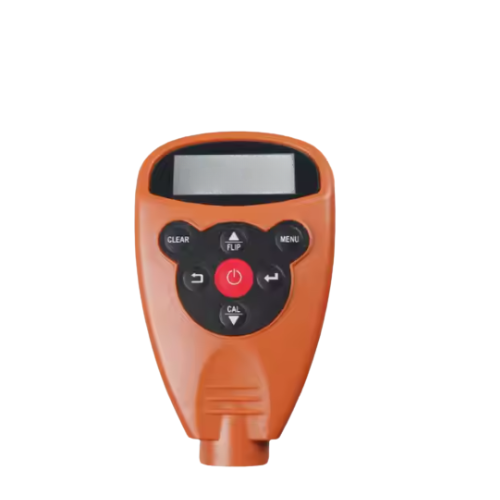
Magnetic and Eddy Current Thickness Gauge – Enviro Forest
-
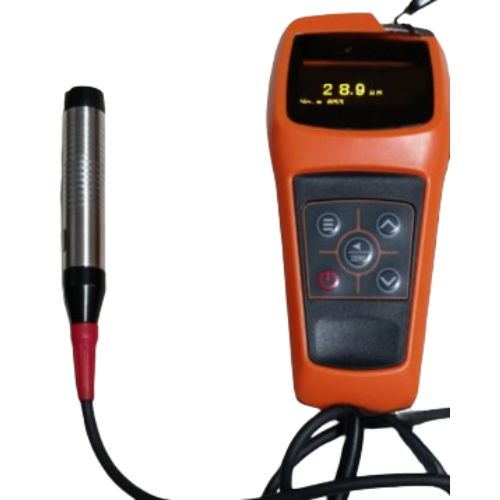
Magnetic Induction and Eddy Current Thickness Gauge – Enviro Forest
-
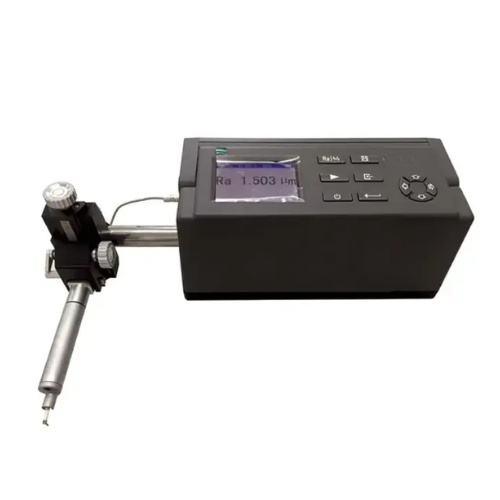
Multi-Function Portable Surface Roughness Tester with Wide Range – Enviro Forest
-
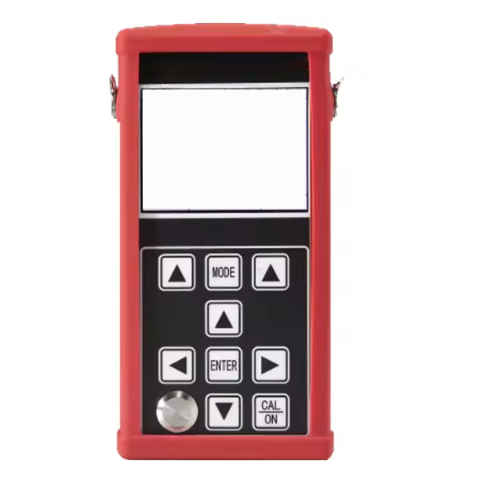
Non-Metallic Ultrasonic Thickness Gauge – Enviro Forest
-
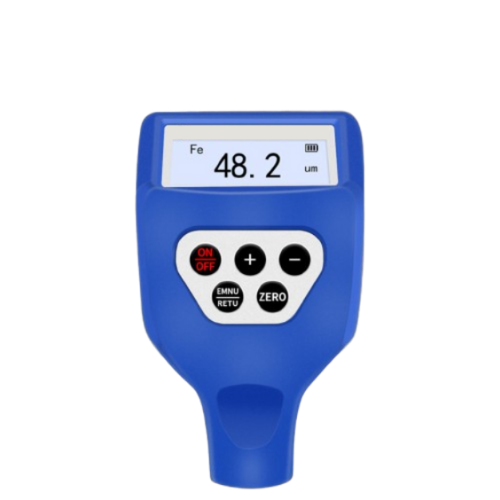
Paint and Coating Thickness Tester with Bluetooth – Enviro Forest
-
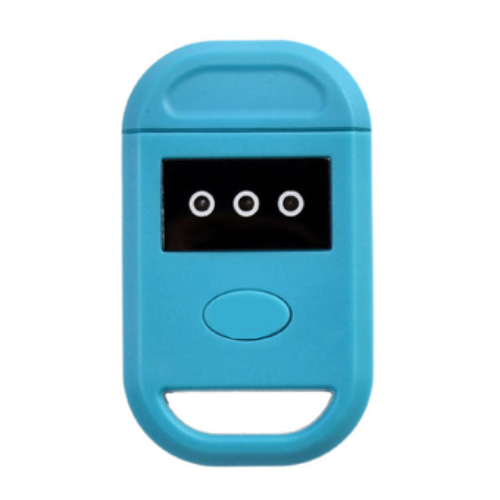
Paint Coating Gauge Thickness Meter – Enviro Forest
-
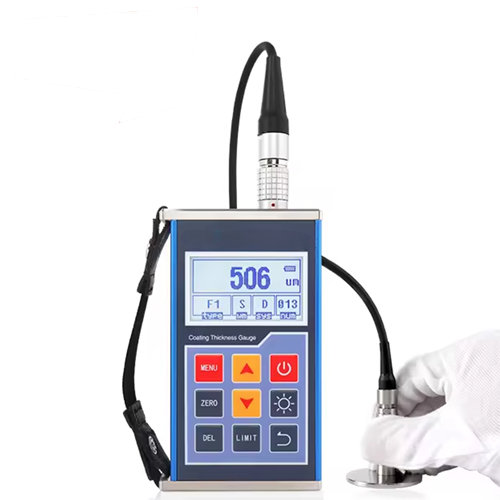
Paint Thickness Gauge Industrial Dual Mode – Enviro Forest
-
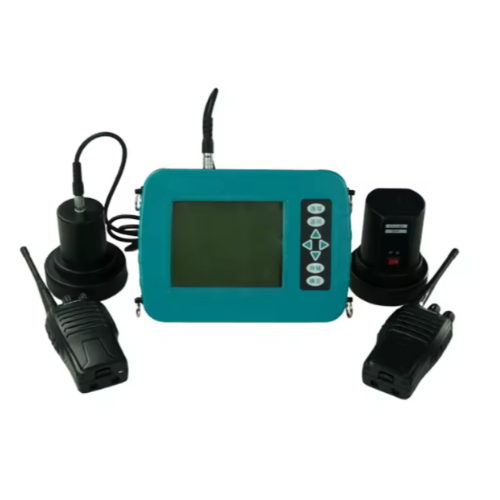
Portable Concrete Coating Thickness Gauge With Data Storage – Enviro Forest
-
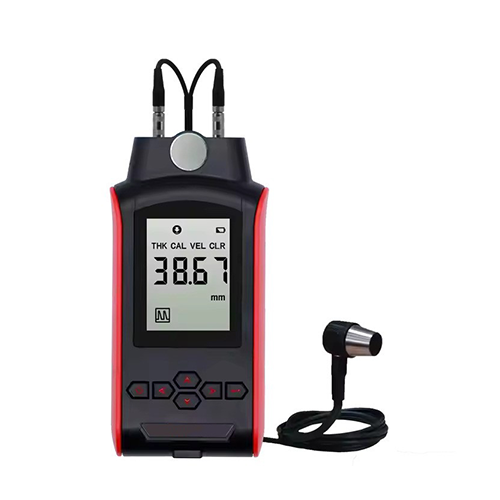
Portable Digital Ultrasonic Thickness Gauge – Enviro Forest
-
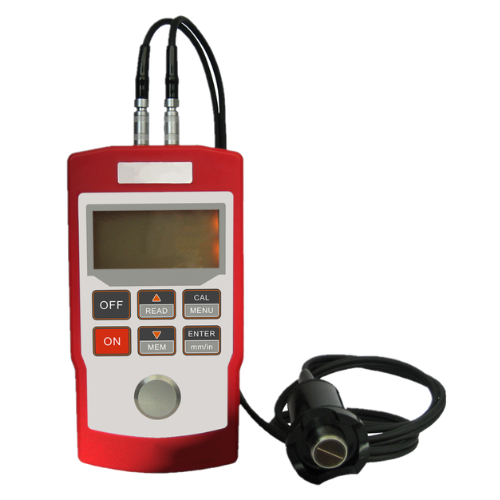
Portable Digital Ultrasonic Wall Thickness Gauge with High Accuracy – Enviro Forest
-
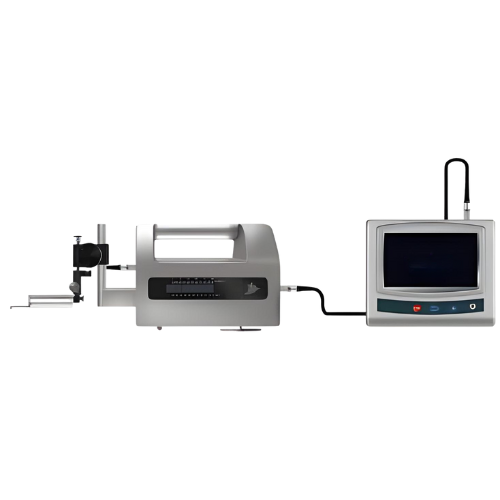
Portable Roughness Profile Waviness Tester – Enviro Forest
-
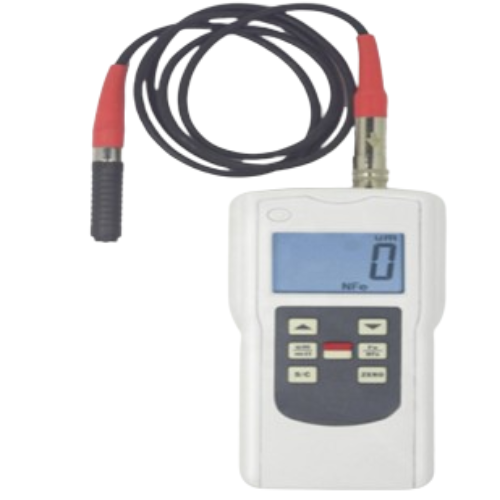
Portable Separate Coating Thickness Gauge – Enviro Forest
-
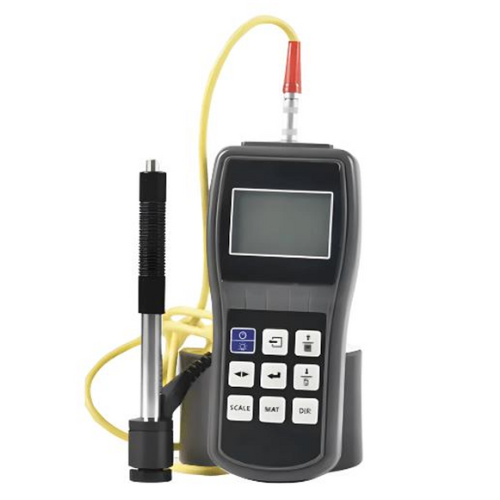
Portable Split-Type Leeb Hardness Tester for Field Metal Testing – Enviro Forest
-
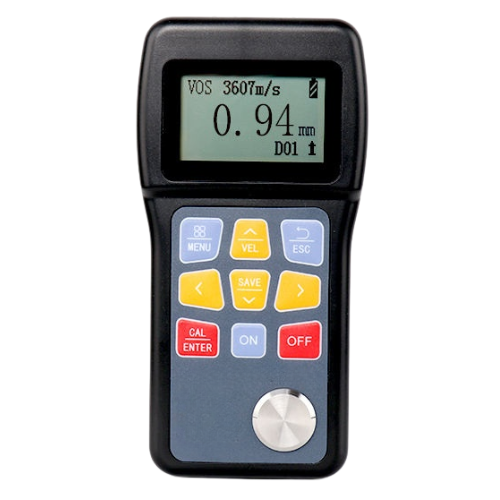
Portable Ultrasonic Digital Electromagnetic Thickness Gauge – Enviro Forest
-
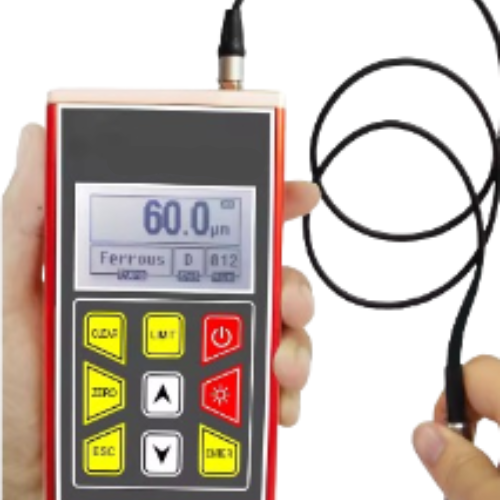
Precision Chrome And Zinc Coating Thickness Gauge – Enviro Forest