
Forest Climate Tools
Forest climate tools form the backbone of field-based environmental measurement programs where accurate atmospheric and surface data guide operational and ecological decisions. These instruments enable real-time and long-duration observation of environmental variables such as airflow, humidity, radiation exposure, and temperature gradients across forest landscapes and industrial forestry environments.
Reliable measurement systems support forest managers, environmental engineers, and compliance teams responsible for maintaining safe working conditions, protecting ecosystems, and meeting environmental reporting requirements. Instrumentation used in forestry climate monitoring must withstand rugged outdoor conditions, operate across variable temperature ranges, and integrate with centralized data management platforms for ongoing analysis.
Organizations working with advanced environmental testing and measurement technologies rely on these devices to monitor microclimates, evaluate forest health conditions, validate operational safety protocols, and support long-term environmental stewardship programs across diverse terrain and climatic zones.
Forest climate instrumentation plays a critical role in delivering accurate and repeatable environmental intelligence. Enviro Forest designs hardware systems that support measurement consistency across field surveys, industrial forestry operations, and regulatory inspection programs.
Core Functional Capabilities
- Measure real-time wind dynamics including speed fluctuations and directional patterns affecting canopy airflow and fire risk modelling
- Monitor ambient moisture conditions to support mold risk prevention, wood preservation planning, and storage environment optimization
- Capture surface temperature readings across soil, bark, and infrastructure surfaces to assess heat transfer patterns
- Record long-term environmental datasets using programmable logging intervals for trend analysis and reporting
- Detect ionizing radiation exposure levels within forestry-adjacent industrial zones or specialized environmental research facilities
- Synchronize environmental observations across distributed monitoring points to establish accurate site-wide climate profiles
- Support environmental hazard evaluation through continuous measurement of atmospheric variability
- Provide traceable calibration data for validation of inspection and compliance documentation
Enable integration with remote telemetry systems for centralized data acquisition and operational oversight
Selection of environmental measurement equipment requires detailed analysis of operating requirements, expected measurement conditions, and long-term reliability factors. Engineering teams responsible for deploying environmental instrumentation should review technical specifications that influence performance consistency and measurement accuracy.
Measurement Accuracy and Resolution
Accuracy thresholds determine suitability for regulatory documentation and scientific evaluation. Instruments should provide high-resolution outputs capable of detecting minor environmental changes relevant to forest ecosystem monitoring.
Environmental Operating Range
Operating temperature tolerance and humidity resistance define field reliability. Devices must remain functional under extended exposure to rain, frost, dust, and solar radiation.
Sensor Response Time
Rapid response sensors allow detection of sudden environmental changes such as wind bursts, temperature spikes, or humidity fluctuations that influence safety decisions.
Data Logging Capacity
Internal memory size and programmable logging intervals support long-term unattended monitoring. Data retention capability influences operational continuity in remote field environments.
Calibration Requirements
Routine calibration ensures measurement reliability. Instruments supporting standardized calibration procedures help maintain traceability across multiple field sites.
Power Management Options
Battery efficiency and external power compatibility determine instrument uptime in remote forestry environments where utility access may be limited.
Communication Interfaces
Compatibility with wired and wireless data transfer systems enables integration with supervisory control systems and environmental reporting platforms.
Wind Speed Meters
Wind speed meters support airflow analysis across forest stands and open landscapes where wind behaviour directly affects fire risk modelling, canopy health monitoring, and worker safety planning. These devices typically use cup anemometer assemblies, vane-based directional sensors, or ultrasonic measurement techniques to capture wind velocity with minimal mechanical wear. Ruggedized housing protects sensor assemblies from debris impact and moisture intrusion. Long-term deployment capability allows continuous recording of wind trends during seasonal transitions, helping forestry professionals assess airflow dynamics affecting evaporation rates, pesticide dispersion patterns, and wildfire containment planning.
Air Humidity Meters
Air humidity meters measure relative moisture content within forest microclimates and controlled storage environments. Capacitive or resistive sensing elements enable stable humidity detection across wide temperature ranges. Forestry teams rely on humidity data to prevent fungal growth, evaluate timber storage conditions, and manage drying processes during wood processing operations. Devices designed for forestry environments incorporate corrosion-resistant enclosures and protective filters that minimize contamination from airborne particulates. Continuous humidity monitoring contributes to maintaining structural integrity of stored materials and supports accurate modelling of moisture-dependent ecological conditions.
Surface Temperature Guns
Surface temperature guns provide non-contact thermal measurement capability across terrain surfaces, machinery components, and structural materials. Infrared sensing technology allows fast scanning of temperature variations without requiring physical contact, reducing risk when evaluating heated or hazardous surfaces. Forestry maintenance teams use these tools to identify overheating mechanical components, assess soil temperature gradients affecting root health, and evaluate drying conditions during timber processing cycles. Optical targeting systems improve measurement precision across variable distances, supporting efficient inspections across large operational areas.
Environmental Data Loggers
Environmental data loggers serve as centralized measurement hubs capable of collecting and storing multi-parameter environmental information over extended durations. These devices interface with external sensors that monitor temperature, humidity, airflow, and radiation exposure simultaneously. Programmable sampling intervals allow continuous data acquisition during seasonal cycles or regulatory monitoring periods. Forestry engineers use data loggers to establish baseline environmental conditions, track long-term trends, and generate audit-ready reports. Rugged enclosures protect internal electronics from moisture ingress and vibration exposure common in field deployment scenarios.
Radiation Survey Meters
Radiation survey meters measure ionizing radiation levels in forestry-adjacent industrial zones, research environments, or remediation sites. Geiger-Müller tubes and scintillation detectors provide accurate radiation detection across defined sensitivity ranges. Environmental specialists rely on these instruments to confirm safe exposure thresholds during site inspections or environmental impact studies. Devices designed for field deployment typically include audible and visual alert systems that notify operators when radiation levels exceed predefined limits. Continuous measurement capability supports ongoing environmental surveillance in regions where industrial or geological conditions introduce radiation-related concerns.
Forest climate measurement tools support diverse operational workflows where environmental data influences decision-making accuracy and compliance readiness.
- Evaluate wind patterns influencing wildfire spread models and emergency response planning in managed forest territories
- Monitor humidity levels supporting controlled drying operations within timber processing facilities and storage yards
- Assess surface temperature variations affecting soil health and root zone stability across reforestation projects
- Record long-term climate data supporting ecological restoration planning and biodiversity monitoring initiatives
- Verify environmental conditions supporting occupational safety compliance across forestry operations
- Support environmental impact studies associated with infrastructure development near forest ecosystems
- Monitor radiation exposure levels in forestry-adjacent mining or industrial remediation zones
- Validate microclimate stability across conservation zones and protected forest habitats
- Support meteorological modelling for seasonal climate forecasting affecting harvest scheduling
- Provide environmental baseline data required during forestry certification and sustainability audits
- OSHA Occupational Safety and Health Standards
- ANSI Environmental Monitoring Instrument Standards
- NIOSH Environmental Health Guidelines
- EPA Environmental Monitoring Regulations
- ASTM Environmental Measurement Standards
- CSA Environmental Instrument Certification
- UL Electrical Safety Certification
- FCC Equipment Communication Compliance
- ISO 17025 Calibration and Testing Standards
- Environment and Climate Change Canada Reporting Frameworks
| Instrument Type | Primary Measurement Focus | Typical Deployment Duration | Data Storage Capability | Field Mobility | Environmental Resistance |
| Wind Measurement Devices | Airflow velocity and directional movement | Continuous seasonal monitoring | Moderate to high | Portable or fixed mount | High resistance to wind and precipitation |
| Humidity Monitoring Devices | Atmospheric moisture levels | Short-term and long-term monitoring | Moderate | Portable | Resistant to moisture exposure |
| Thermal Measurement Devices | Surface temperature detection | On-demand inspection cycles | Low to moderate | Highly portable | Resistant to dust and vibration |
| Multi-Parameter Data Loggers | Integrated environmental parameter recording | Extended multi-month deployment | High | Fixed installation | Weather-resistant enclosure |
| Radiation Monitoring Devices | Ionizing radiation exposure levels | Continuous safety surveillance | Moderate | Portable | Shielded electronic housing |
Operational success depends on selecting measurement tools compatible with environmental exposure conditions and mobility demands typical in forestry environments. Devices deployed in mountainous terrain require shock-resistant enclosures and reliable mounting hardware capable of maintaining alignment under vibration and wind stress.
Power management strategies influence deployment duration. Battery-operated instruments must support extended operation cycles with minimal maintenance. External power integration using solar arrays allows continuous operation across remote monitoring stations where electrical infrastructure is unavailable.
Data handling methods depend on communication infrastructure availability. Some installations rely on onboard memory retrieval, while others integrate wireless telemetry modules that transmit environmental data to centralized analysis systems. Environmental data collected across distributed sensor networks must maintain synchronized timestamps to ensure analytical consistency.
Mobility requirements vary depending on inspection frequency and site accessibility. Handheld devices support rapid inspection workflows, while permanently installed sensors enable continuous environmental surveillance across defined zones.
Organizations deploying forest climate instrumentation benefit from reliable hardware engineered to support accurate environmental measurement across varied forestry conditions. Enviro Forest has quickly established itself as a trusted leader in delivering advanced environmental testing and measurement solutions for the forest industry. A growing B2B presence across North America reflects sustained investment in product development, strict quality assurance workflows, and responsive customer support structures.
Engineering Strengths Supporting Operational Reliability
- Rugged enclosure designs supporting operation in high humidity, temperature fluctuation, and particulate-rich environments
- High-precision sensing components calibrated to maintain long-term measurement accuracy
- Modular hardware architecture allowing integration with multiple environmental sensor types
- Compatibility with distributed environmental monitoring networks supporting centralized analytics
- Field-ready instrument configuration reducing installation complexity
- Reliable performance across extended monitoring cycles supporting multi-season environmental tracking
- Structured validation processes supporting traceable measurement documentation
- Technical support resources assisting engineering teams during deployment and maintenance phases
How frequently should environmental sensors be calibrated in forestry environments?
Calibration intervals depend on usage intensity, environmental exposure conditions, and regulatory requirements. Annual calibration is common for general environmental monitoring, while high-precision programs may require more frequent validation cycles.
What environmental factors most affect instrument accuracy?
Temperature extremes, prolonged humidity exposure, mechanical vibration, and particulate accumulation can influence sensor accuracy. Regular maintenance and protective enclosures reduce measurement variability.
Can environmental data loggers operate in remote forest locations without infrastructure?
Yes. Many logging systems support battery-based or solar-assisted power configurations designed for extended operation in isolated environments.
What communication options are commonly available for environmental monitoring devices?
Communication options include USB transfer, wireless telemetry modules, cellular communication systems, and short-range radio networks depending on deployment needs.
Are handheld temperature measurement devices suitable for continuous monitoring?
Handheld devices support rapid inspections but typically do not replace permanently installed sensors designed for continuous data acquisition.
What storage capacity is recommended for long-term climate monitoring projects?
Storage capacity requirements depend on logging frequency and project duration. High-resolution monitoring over multiple months typically requires expanded onboard memory or external storage integration.
Radiation meters provide continuous exposure measurement, allowing safety personnel to detect abnormal radiation levels and initiate corrective action procedures.
Engineering teams and procurement specialists seeking reliable environmental monitoring instruments can obtain tailored guidance through direct engagement with Enviro Forest technical experts. Detailed product information, deployment recommendations, and integration support are available to help organizations align instrumentation with operational requirements.
Professionals responsible for environmental measurement programs are encouraged to explore available solutions and request technical consultation through the Enviro Forest contact team by visiting our Contact Page, where specialized support resources are available to address project-specific requirements, equipment selection, and implementation planning.
Showing 1891–1905 of 1930 results
-
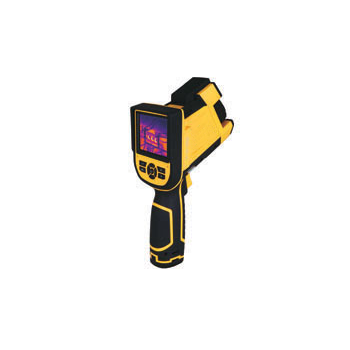
Enviro Forest Infrared Thermometer with Various Interface (Image Store)
-
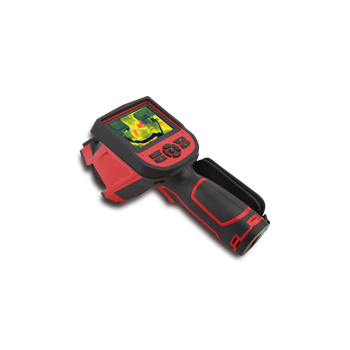
Enviro Forest Infrared Thermometer with Image Storage (Lg Power Source)
-
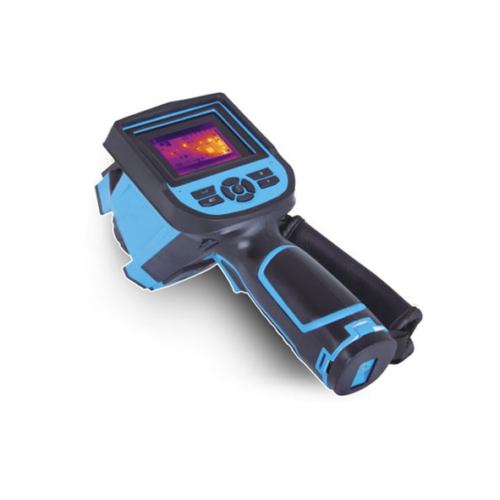
Enviro Forest Infrared Thermometer with Drop Resistance (Cost-Effective)
-
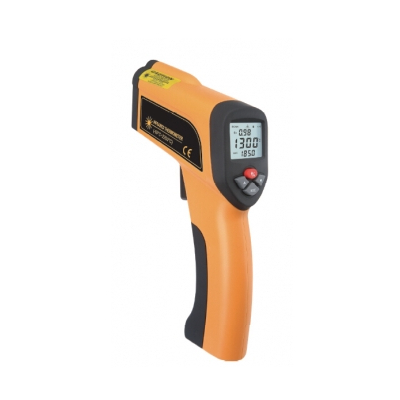
°C/°F Switch Infrared Thermometer with Over Range Indication
-
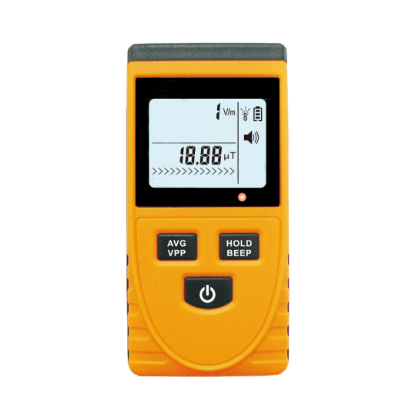
Enviro Forest Radiation Meter with Data Lock (Dual-Mode Measure)
-
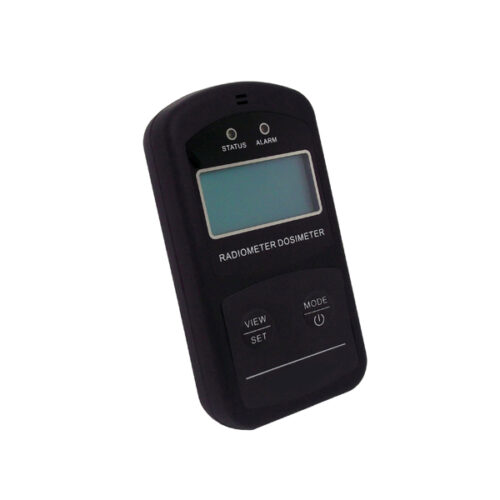
Enviro Forest Light Weight Radiation Meter (X, γ and Hard-β Rays)
-
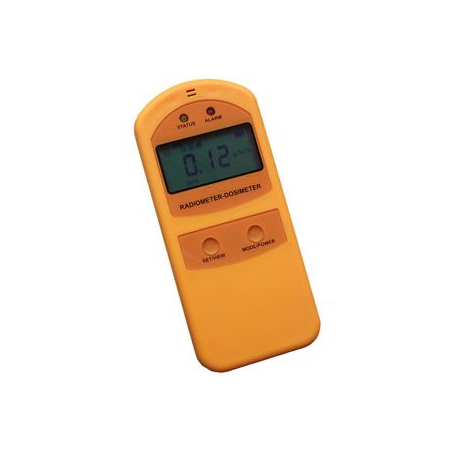
Radiation Meter with Failure Detection (Geiger-Muller Count)
-
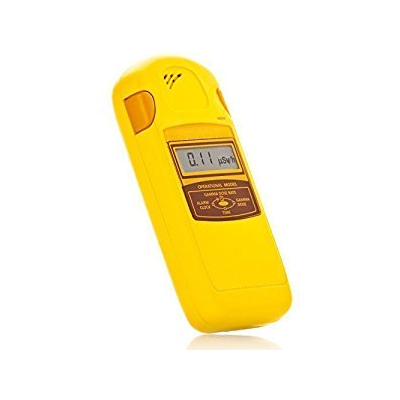
Radiation Meter with 3 Channel (Sound Alarm, GM Counter)
-
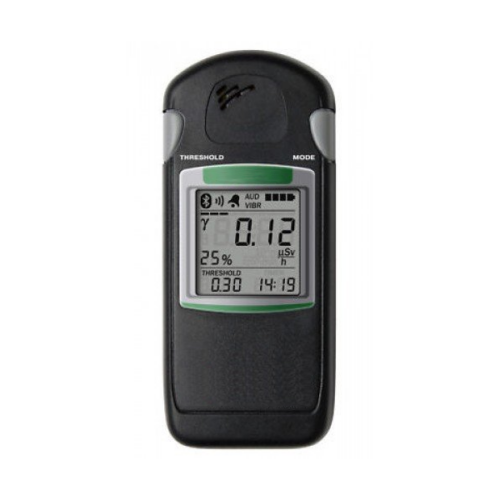
Radiation Meter with 5 Channel (3 Alarms, Data Record)
-
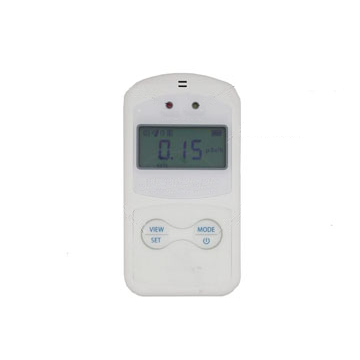
Radiation Meter with Failure Detection (Low Energy)
-
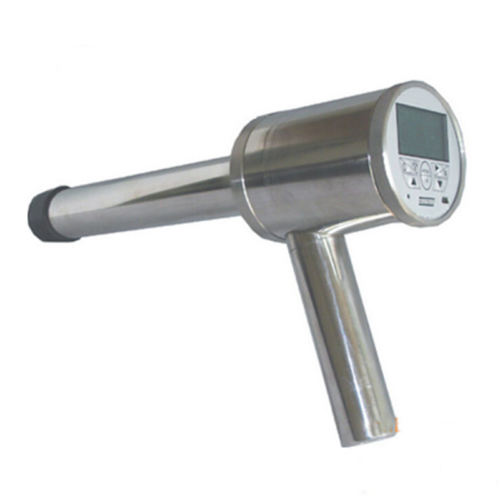
Enviro Forest Radiation Meter with Wide Measuring Range (Data Storage)
-
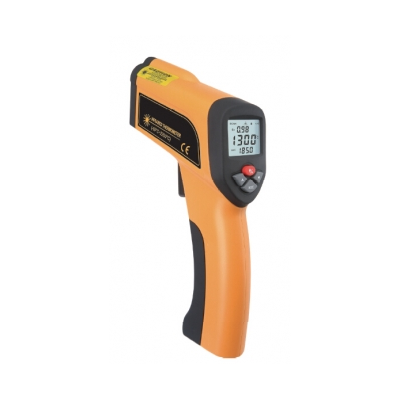
Enviro Forest High Temp IR Digital Thermometer (Max/Min, AVG Record)
-
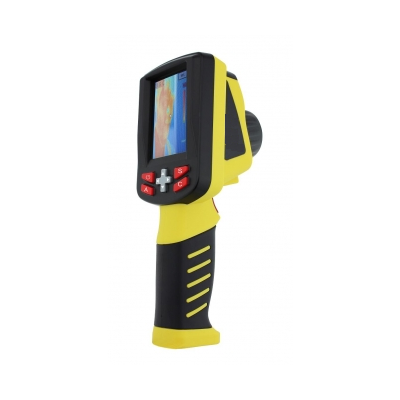
Infrared Thermal Imaging Camera (16GB SDcard,Light Camera)
-
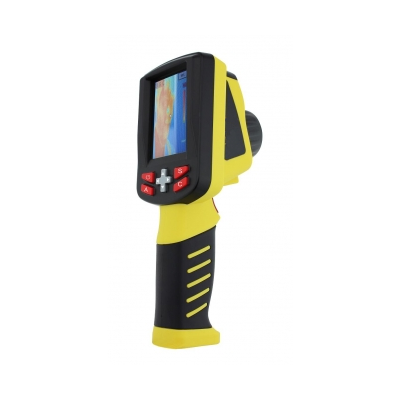
Infrared Thermal Imaging Camera (16GB SD,Laser Indication)
-
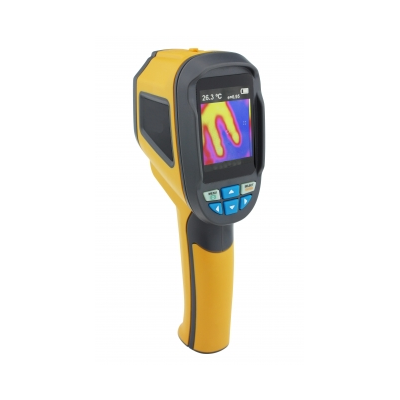
Infrared Thermal Imaging Camera (Focal Plane Measure)