
Wind Speed Meters
Reliable wind speed measurement plays a central role in forest climate monitoring, site safety, and environmental performance tracking. Modern wind speed meters, also known as anemometers and airflow velocity sensors, provide precise data on wind behaviour across forest landscapes, logging areas, and research zones. Accurate wind velocity data supports fire risk evaluation, canopy airflow studies, erosion control planning, and equipment safety assessments.
Advanced airflow measurement systems designed for forest industry environments deliver dependable performance under variable weather conditions. Ruggedized housings, calibrated sensing elements, and integrated data logging capabilities allow engineers and environmental teams to capture repeatable wind data in remote or high-exposure areas. These wind monitoring instruments are widely deployed to support environmental compliance, operational planning, and long-term ecological analysis across forestry operations and managed woodland environments.
Wind speed meters are instruments engineered to measure the velocity and direction of moving air using mechanical, ultrasonic, or thermal sensing principles. These airflow measurement devices form a critical component of environmental testing systems used throughout forested regions.
Mechanical Cup and Vane Anemometers Engineered by Enviro Forest
Mechanical anemometers measure wind velocity through rotating components driven by airflow.
- Cup Anemometers
-
- Use hemispherical cups mounted on a rotating arm assembly
- Rotation frequency directly correlates with wind velocity
- Suitable for long-term meteorological and forestry climate observation
- Commonly integrated with data loggers for remote wind speed tracking
- Wind Vane Systems
- Measure wind direction alongside speed sensors
- Provide directional airflow mapping across forest zones
- Useful for wildfire risk analysis and canopy airflow studies
Mechanical designs remain widely adopted due to their durability, predictable calibration behaviour, and suitability for permanent field installations.
Ultrasonic Wind Speed Sensors for High-Precision Forest Monitoring
Ultrasonic wind speed meters measure airflow velocity using acoustic signal propagation.
- Utilize ultrasonic pulses transmitted between sensor pairs
- Calculate wind speed based on signal travel time differences
- Provide high sampling rates with minimal moving parts
- Maintain reliable operation in freezing and dusty environments
Ultrasonic technology supports precision airflow analysis where moving components may degrade due to prolonged exposure to environmental contaminants.
Thermal and Hot-Wire Airflow Sensors for Microclimate Measurement
Thermal anemometers detect airflow velocity based on heat dissipation principles.
- Use heated sensing elements that cool proportionally to airflow velocity
- Provide high sensitivity at low wind speeds
- Useful for microclimate and understory airflow monitoring
- Enable laboratory-grade field testing in ecological studies
These airflow sensors support advanced environmental measurement programs focused on localized wind behaviour within forest structures.
Engineering-grade wind speed meters designed for forestry and environmental operations include advanced capabilities that support reliable data collection across diverse field conditions. Extensive research and product development initiatives enable us to refine instrument accuracy, durability, and operational reliability.
Data Acquisition and Logging Capabilities
Modern wind speed measurement systems integrate with centralized monitoring platforms.
- Configurable data logging intervals ranging from seconds to hours
- Internal memory storage for extended unattended operation
- Timestamp synchronization with environmental monitoring networks
- Compatibility with SCADA, environmental data systems, and telemetry networks
Integrated logging reduces the risk of data loss and supports long-term climate trend analysis.
Multi-Sensor Integration for Comprehensive Forest Monitoring
Wind speed meters frequently operate as part of broader environmental measurement frameworks.
- Integration with temperature, humidity, rainfall, and solar radiation sensors
- Combined environmental datasets enable advanced modeling and forecasting
- Suitable for automated forest weather stations
- Supports predictive risk assessments related to wildfire and soil erosion
System-level integration ensures that wind data contributes to accurate environmental intelligence across forestry projects.
Mounting and Deployment Configurations
Field installation flexibility supports both temporary and permanent deployments.
- Mast-mounted installations for canopy-level measurement
- Portable tripod systems for short-term studies
- Tower-mounted configurations for wide-area monitoring
- Protective enclosures for harsh environmental conditions
Deployment flexibility allows engineers to position airflow sensors in optimal locations for accurate data capture.
Communication and Remote Access Options
Remote connectivity enhances operational efficiency across geographically distributed forest assets.
- Wireless telemetry systems for remote data transmission
- Cellular and satellite communication compatibility
- Ethernet and serial interface support
- Integration with cloud-based environmental databases
Remote access capabilities enable centralized monitoring across multiple forestry locations.
Calibration and Maintenance Support by Enviro Forest
Long-term measurement accuracy depends on structured calibration programs.
- Factory calibration with traceable standards
- Field verification kits available for on-site validation
- Modular sensor designs that support component replacement
- Maintenance documentation aligned with environmental testing workflows
Strict quality assurance processes guide calibration protocols to ensure repeatable and defensible measurement results.
Enviro Forest has rapidly gained recognition across North America for dependable environmental measurement technologies. A disciplined approach to quality control and ongoing engineering validation allows us to deliver consistent instrument performance that supports operational efficiency and environmental accountability.
Wind speed meters support a wide range of forestry, environmental, and regulatory workflows. Each deployment scenario relies on accurate airflow measurement to support planning, safety, and environmental compliance initiatives.
- Monitoring wildfire spread potential by measuring surface and canopy wind velocity patterns across fire-prone forest landscapes.
- Evaluating safe operating conditions for logging equipment during periods of elevated wind activity and unstable atmospheric conditions.
- Supporting forest canopy airflow studies that influence pest control strategies and forest health management planning.
- Measuring wind behaviour near erosion-prone slopes to evaluate soil stability and surface runoff mitigation strategies.
- Assessing airflow conditions around forest infrastructure including towers, monitoring stations, and access structures.
- Supporting climate impact research through long-term wind pattern tracking across protected forest ecosystems.
- Monitoring wind loading conditions for elevated observation towers and communication structures located within forested regions.
- Evaluating drift dispersion patterns during controlled application of environmental treatments within forestry zones.
- Recording localized wind patterns that influence controlled burn planning and smoke management strategies.
- Supporting habitat modeling programs by measuring airflow conditions affecting seed dispersal and ecological succession.
- Validating environmental conditions required for safe deployment of unmanned aerial vehicles used in forest mapping.
- Assessing microclimate airflow variability within dense forest stands and undergrowth layers.
- Supporting environmental restoration programs through airflow analysis that affects soil moisture retention.
- Measuring wind speed trends influencing tree stability risk assessments across managed timber operations.
- Providing documented wind condition records for regulatory reporting and compliance documentation.
- Supporting site suitability studies for renewable energy equipment placement in forest-adjacent environments.
- Evaluating wind-driven debris risks near forest transportation routes and access corridors.
- Measuring airflow dynamics around forest research installations to support controlled environmental experiments.
The following standards commonly apply to wind speed measurement equipment used in forestry and environmental monitoring operations.
- ANSI B40.7
- NIST Traceable Calibration Requirements
- ISO 9001
- ISO 17025
- ASTM D6176
- EPA Environmental Monitoring Guidelines
- Environment and Climate Change Canada Measurement Standards
- CSA C22.2
- FCC Part 15
- ICES-003 Canada
- UL Certification Requirements
- IEEE 1451 Sensor Interface Standards
Engineering reliability remains a central priority in the design of wind speed measurement systems deployed in remote forestry environments. Every airflow sensor configuration is evaluated against performance requirements specific to environmental testing and measurement workflows.
High Accuracy Across Wide Measurement Ranges
Precision airflow sensing supports operational decisions that depend on validated environmental data.
- Measurement ranges suitable for calm airflow to high-velocity storm conditions
- Factory calibration ensures repeatable measurement consistency
- Low measurement drift over extended deployment periods
- Sensor linearity maintained across variable environmental temperatures
These characteristics enable engineers to rely on wind speed data when conducting regulatory reporting or predictive modeling.
Environmental Durability for Harsh Forest Conditions
Forest monitoring equipment frequently operates under exposure to moisture, debris, and temperature fluctuations.
- Corrosion-resistant materials protect sensing assemblies
- Sealed housings prevent ingress of dust and moisture
- UV-resistant components extend operational lifespan
- Structural reinforcement supports operation during extreme weather
Environmental resilience ensures consistent performance across long-term deployments.
Low Power Consumption for Remote Installations
Power efficiency supports deployment in isolated forest locations.
- Low-power electronics support solar-powered operation
- Energy-efficient data logging modules extend battery lifespan
- Reduced maintenance requirements improve operational uptime
- Compatibility with renewable energy systems simplifies installation planning
Remote capability reduces logistical complexity for distributed forestry monitoring programs.
Scalable Deployment Architecture
Large-scale forest monitoring programs require flexible expansion strategies.
- Modular sensor configurations allow phased deployment
- Interoperability with existing environmental monitoring infrastructure
- Support for multi-location data aggregation
- Adaptability to changing measurement requirements
Scalability supports growth in environmental monitoring networks without requiring complete system replacement.
Expert Support and Engineering Guidance from Enviro Forest
Technical support extends beyond product delivery to ensure field success.
- Consultation on sensor placement strategies
- Assistance with installation planning and data integration
- Ongoing product validation through continuous development programs
- Documentation support aligned with industry compliance expectations
Strong technical collaboration helps engineering teams optimize measurement reliability across complex forestry environments.
Selecting the appropriate wind speed measurement system requires careful evaluation of environmental conditions, accuracy requirements, and integration goals. Engineering teams often benefit from direct consultation to ensure correct sensor placement, calibration planning, and communication system compatibility.
Organizations seeking reliable airflow monitoring instruments, technical guidance, or system configuration assistance are encouraged to connect with our specialists through the official Contact Page. Our team supports project planning, product selection, and ongoing operational success across forestry and environmental measurement initiatives.
Showing 16–30 of 48 results
-
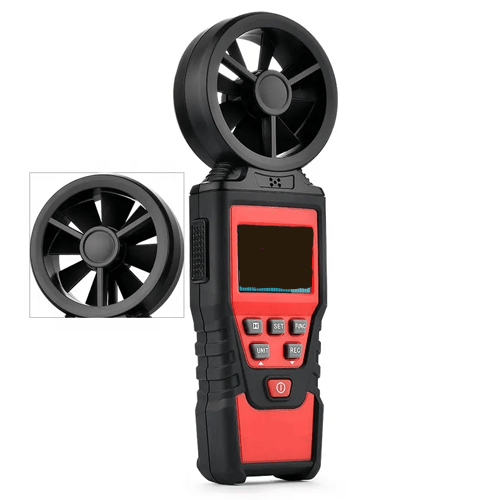
Enviro Forest Portable Anemometer
-
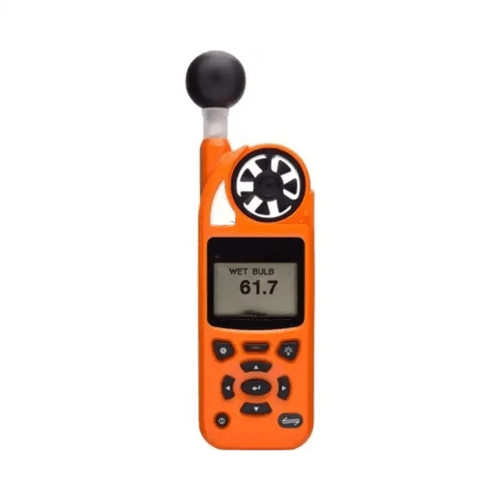
Enviro Forest Stress Tracker Anemometer
-
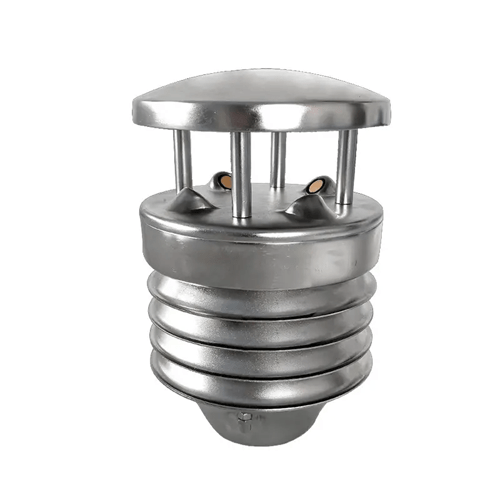
Enviro Forest Ultrasonic Anemometer
-
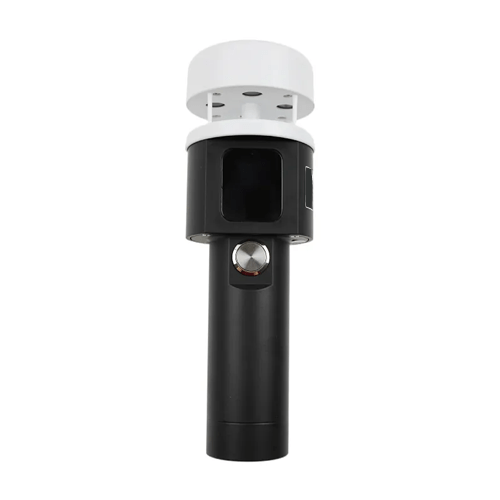
Enviro Forest Wireless Anemometer
-
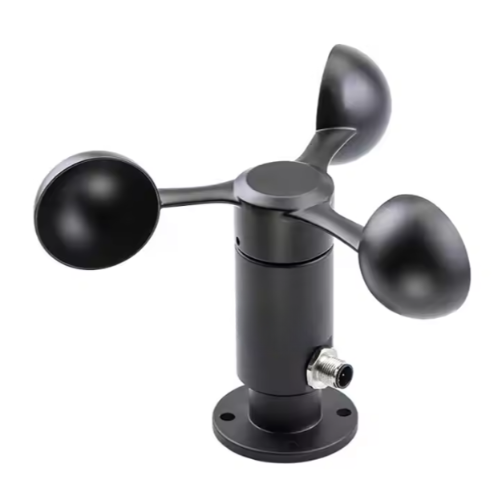
Firstrate Industrial Wind Speed Sensor – Enviro Forest
-
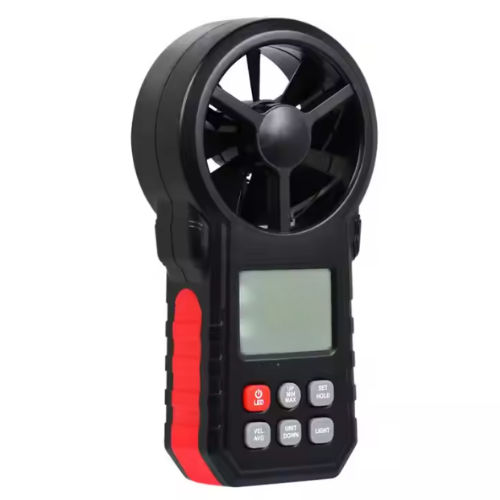
GAIN EXPRESS ANE-272 Digital Handheld Wind Speed Meter – Enviro Forest
-
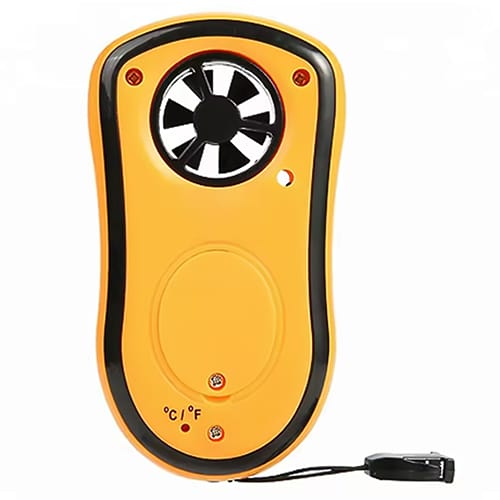
Handheld Digital Anemometer with Temperature Display – Enviro Forest
-
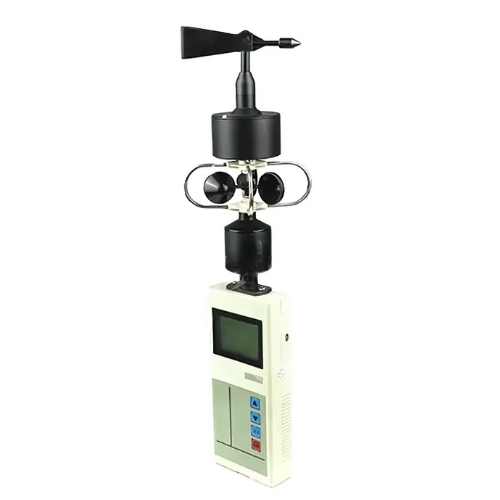
Handheld Industrial Weather Meter with Wind, Temp & Pressure Sensors– Enviro Forest
-
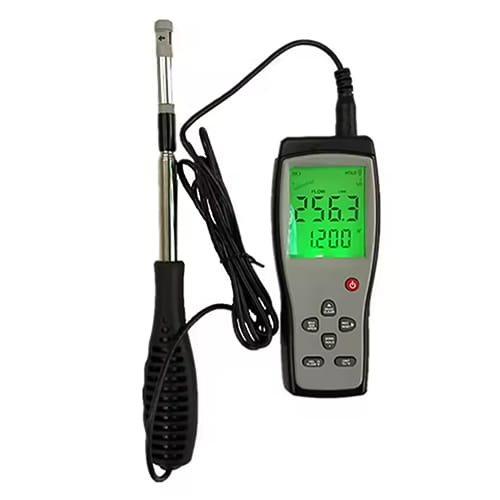
High Precision ABS Wind Speed Sensor for Multiple Units – Enviro Forest
-
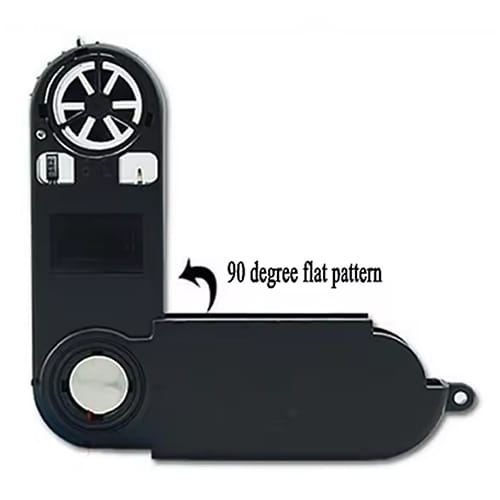
High Precision Anemometer with 0.1m Resolution – Enviro Forest
-
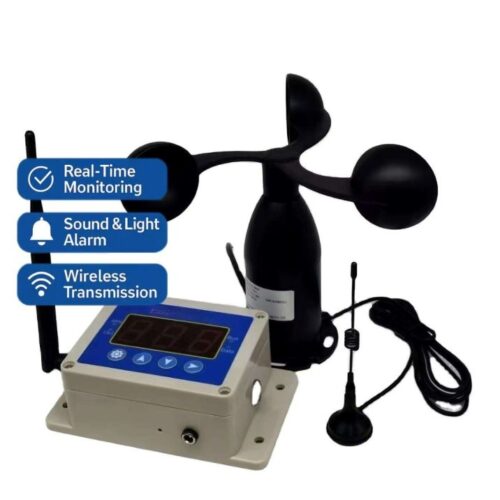
High-Accuracy IP65 Wind Speed Direction Sensor – Enviro Forest
-
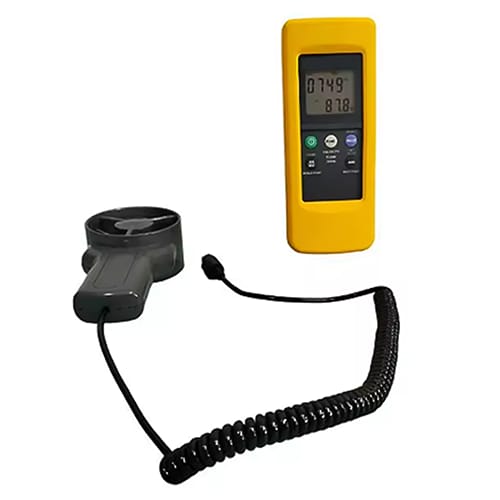
High-Accuracy Vane Anemometer with Dual LCD Display – Enviro Forest
-
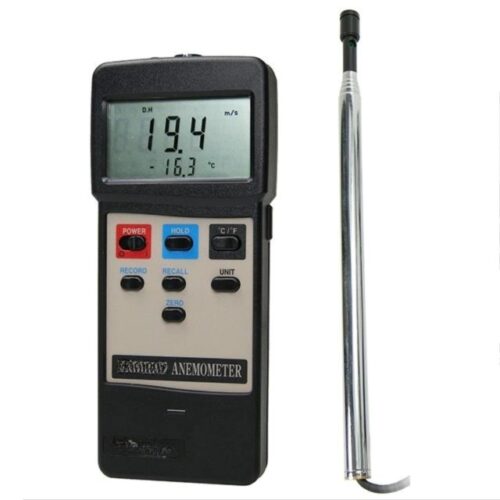
High-Precision Anemometer with Temperature Sensor – Enviro Forest
-
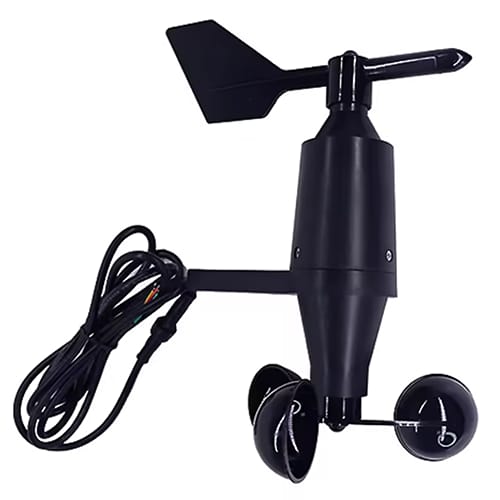
High-Precision Hall Effect Wind Speed Direction Sensor – Enviro Forest
-
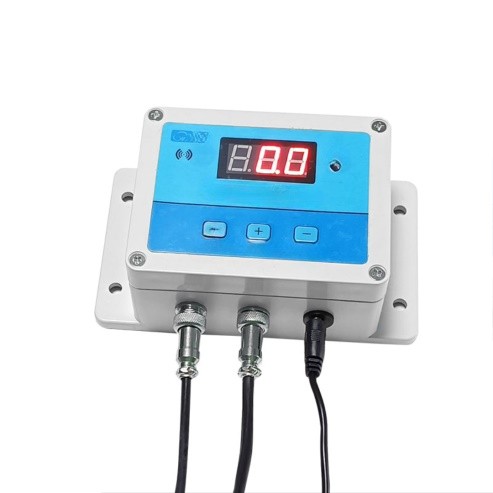
High-Precision Outdoor Wind Speed Sensor for Tower Cranes – Enviro Forest