
Renewable Power Devices
Reliable power infrastructure remains a critical requirement for environmental measurement systems deployed in remote, forested, or off-grid regions. Renewable power devices such as solar energy systems, hybrid power units, and energy conversion technologies provide sustained electricity for instrumentation without dependence on grid connectivity. These systems are engineered to support continuous operation of monitoring equipment used in forestry analysis, emissions tracking, and ecological data acquisition.
Energy harvesting solutions are particularly valuable in distributed monitoring networks where uptime, autonomy, and low maintenance are essential. Devices are designed to operate under variable weather conditions, fluctuating loads, and challenging terrain. Integrated energy storage, intelligent charge controllers, and efficient power conversion modules ensure consistent performance. These technologies enable organizations to deploy scalable monitoring infrastructure while reducing operational costs and environmental impact.
Core Functional Capabilities for Field-Based Power Systems
Enviro Forest renewable power devices are engineered to support advanced environmental measurement systems operating in demanding outdoor conditions.
- Continuous off-grid power supply for environmental sensors, analyzers, and telemetry systems
- Integration with data logging systems for uninterrupted monitoring operations
- Energy harvesting from solar and hybrid renewable sources for long-term deployments
- Intelligent battery management to optimize charge cycles and extend battery lifespan
- Real-time power output monitoring to support system diagnostics and predictive maintenance
- Modular system design enabling scalability for small to large monitoring networks
- Compatibility with low-power and high-load instrumentation systems
- Adaptive voltage regulation for stable performance across fluctuating environmental conditions
- Remote monitoring and control capabilities via integrated communication modules
- Support for edge computing devices used in environmental data processing
Technical Evaluation Criteria for Powering Monitoring Systems
Although the focus remains on renewable power devices, selecting appropriate power systems directly impacts the performance of air quality and environmental monitoring instruments.
- Power output capacity aligned with instrument load requirements
- Battery storage capacity for extended operation during low sunlight or adverse weather
- Efficiency of photovoltaic cells or energy harvesting components
- Input voltage range and compatibility with connected monitoring devices
- Environmental protection rating such as IP65 or higher for outdoor deployments
- Operating temperature range for extreme forestry and industrial environments
- Charge controller type including MPPT or PWM for optimized energy conversion
- System redundancy options for mission-critical monitoring applications
- Data interface compatibility for integration with monitoring and reporting systems
Maintenance requirements and lifecycle durability of components
Solar Panels for Environmental Monitoring Systems
Solar panels serve as the primary energy generation component in renewable power systems used across forestry and environmental monitoring operations. These panels convert sunlight into electrical energy through photovoltaic cells, supporting continuous operation of sensors, air quality analyzers, and remote data acquisition systems. High-efficiency panels are designed to perform under partial shading and variable light conditions common in forest environments. Durable construction ensures resistance to moisture, dust, and temperature fluctuations. Integration with mounting systems allows flexible deployment across terrain types, enabling consistent energy generation for long-term environmental studies and regulatory monitoring applications.
Portable Power Stations for Field Deployments
Portable power stations provide flexible energy solutions for temporary or mobile environmental monitoring setups. These units combine battery storage, power management systems, and multiple output interfaces within a compact form factor. Engineers and field technicians rely on portable stations for powering instruments during site assessments, pilot studies, or emergency response scenarios. Advanced models include lithium-ion battery systems, fast charging capabilities, and integrated inverters for AC output. Rugged designs support operation in remote forestry environments, while mobility ensures rapid deployment without the need for permanent infrastructure.
DC AC Inverters for Power Conversion Systems
DC AC inverters play a critical role in converting stored or generated direct current into alternating current required by many environmental monitoring devices. These inverters ensure compatibility between renewable energy sources and standard instrumentation systems. High-quality inverters deliver stable output with minimal harmonic distortion, protecting sensitive measurement equipment from electrical inconsistencies. Features such as overload protection, thermal management, and automatic shutdown enhance system reliability. Integration with renewable power systems allows seamless operation of mixed-load environments where both DC and AC devices are used simultaneously.
Use Cases Across Environmental and Forestry Operations
- Powering remote air quality monitoring stations deployed across forest conservation zones and protected ecological regions
- Supporting continuous emissions monitoring systems in logging and wood processing facilities without grid dependency
- Enabling long-term climate data collection in remote forestry research installations with minimal maintenance requirements
- Providing reliable energy for wildlife monitoring sensors and tracking systems in off-grid environments
- Supporting environmental compliance monitoring for industrial operations located in remote or undeveloped regions
- Powering water quality monitoring systems installed near forest watersheds and conservation areas
- Enabling rapid deployment of mobile monitoring units for environmental impact assessments
- Supporting edge computing systems used for real-time environmental data processing in field conditions
- Providing backup power solutions for critical environmental monitoring infrastructure
- Enabling distributed sensor networks across large forest areas for ecosystem analysis
- UL 1703
- UL 1741
- IEEE 1547
- NEC (National Electrical Code)
- CSA C22.2 No. 107.1
- CSA C22.2 No. 61730
- FCC Part 15
- California Energy Commission (CEC) Certification
- Natural Resources Canada (NRCan) Standards
- ISO 9001
ISO 14001
Technical Evaluation Table for Procurement Decisions
| Device Type | Energy Source | Portability | Typical Use Case | Output Type | Scalability |
| Solar Panels | Solar Radiation | Fixed Installation | Continuous monitoring systems | DC Output | High |
| Portable Power Stations | Stored Battery | Highly Portable | Temporary and mobile deployments | AC/DC Output | Medium |
| DC AC Inverters | External DC Source | Integrated System | Power conversion for mixed equipment | AC Output | Dependent on input |
| Hybrid Power Systems | Solar + Battery | Semi-Portable | Remote long-term monitoring | AC/DC Output | High |
| Backup Battery Systems | Stored Energy | Fixed/Portable | Redundancy for critical operations | DC Output | Medium |
Deployment and Integration in Industrial Environments
Renewable power devices are deployed across diverse environmental and industrial settings where operational conditions vary significantly. Field installations often require systems capable of withstanding high humidity, temperature fluctuations, dust exposure, and mechanical stress. Equipment enclosures and mounting systems must be selected based on environmental exposure and accessibility.
Mobility requirements depend on the application. Fixed installations are suitable for long-term monitoring, while portable systems support dynamic field operations. Power requirements must be carefully assessed, considering both peak and average load conditions. Energy storage sizing plays a critical role in ensuring uninterrupted operation during periods of low energy generation.
Data handling approaches often involve integration with telemetry systems, enabling remote monitoring of power system performance alongside environmental data. Communication protocols such as cellular, satellite, or LoRaWAN may be used depending on location constraints. System designers must also consider redundancy, maintenance accessibility, and lifecycle costs when implementing renewable power solutions.
Performance Benefits for Environmental Monitoring Systems
Enviro Forest renewable power devices are designed to address the specific challenges associated with powering advanced environmental monitoring infrastructure.
- High reliability in remote and off-grid environments with minimal maintenance requirements
- Optimized energy conversion efficiency supporting continuous monitoring operations
- Robust system design suitable for harsh forestry and industrial conditions
- Scalable architecture enabling expansion of monitoring networks over time
- Integration with advanced measurement and data acquisition systems
- Reduced operational costs through sustainable energy utilization
- Support for regulatory compliance through consistent and reliable system performance
- Enhanced system uptime through intelligent power management and storage solutions
Enviro Forest has rapidly built a strong reputation across North America by delivering dependable environmental measurement and power solutions. Our focus on engineering precision, rigorous quality control, and customer-centric support enables organizations to deploy reliable monitoring systems with confidence.
Technical Insights for Engineers and Procurement Teams
What factors determine the size of a renewable power system for monitoring equipment?
System sizing depends on total load requirements, operating hours, environmental conditions, and desired backup duration during low energy generation periods.
How do renewable power devices perform in low-light or shaded forest environments?
Performance depends on panel efficiency, system design, and energy storage capacity. High-efficiency panels and optimized placement improve output under partial shading.
Are these systems compatible with all environmental monitoring instruments?
Compatibility depends on voltage, current requirements, and output type. Proper system design ensures compatibility with both DC and AC instruments.
What type of maintenance is required for solar-based power systems?
Maintenance includes periodic cleaning of panels, inspection of wiring and connections, and monitoring battery health to ensure optimal performance.
Can renewable power devices support continuous 24/7 monitoring operations?
Yes, when properly designed with sufficient energy storage and load management, these systems can support uninterrupted operation.
How is data from power systems monitored remotely?
Integrated communication modules enable remote monitoring of system performance, including power generation, battery status, and load consumption.
What safety features are included in modern power systems?
Safety features include overvoltage protection, thermal management, short circuit protection, and automatic shutdown mechanisms.
Engineers, system integrators, and procurement teams seeking reliable renewable power devices for environmental monitoring applications can benefit from expert guidance and tailored solutions. Our team provides technical consultation, product selection support, and integration assistance to ensure optimal system performance.
Contact Us through our dedicated contact page to discuss your requirements, request product information, or explore customized solutions by visiting.
Showing 286–300 of 488 results
-
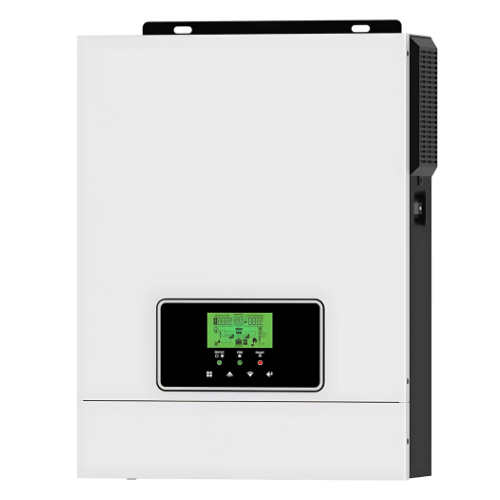
Enviro Forest Solar Spot Inverter
-
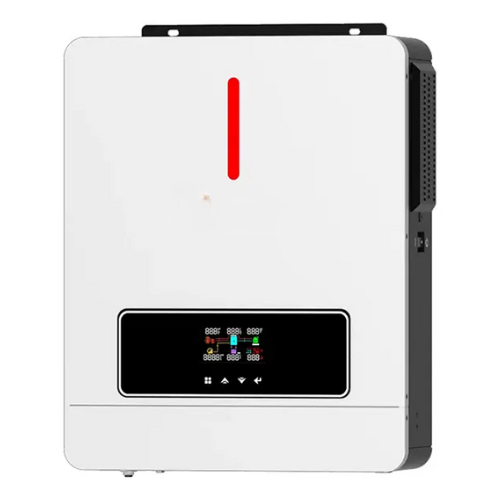
Enviro Forest Solar System Inverter AC String Inverter Solar Systems
-
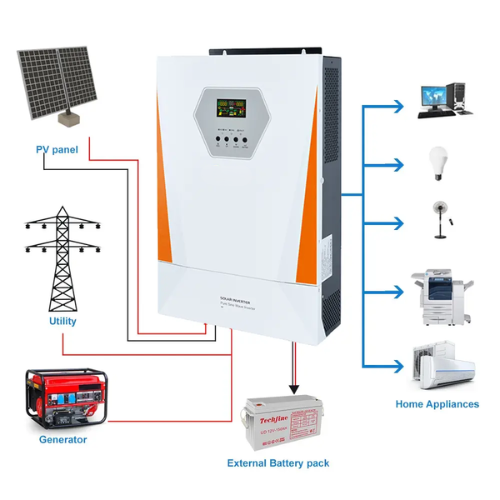
Enviro Forest Support Hybrid MPPT Solar Power Inverter
-
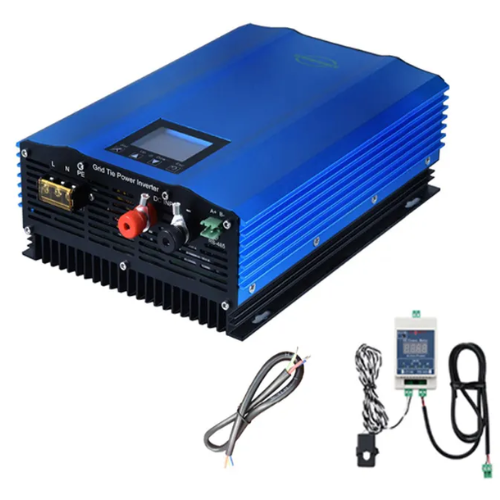
Enviro Forest Tie Inverter DC24V
-
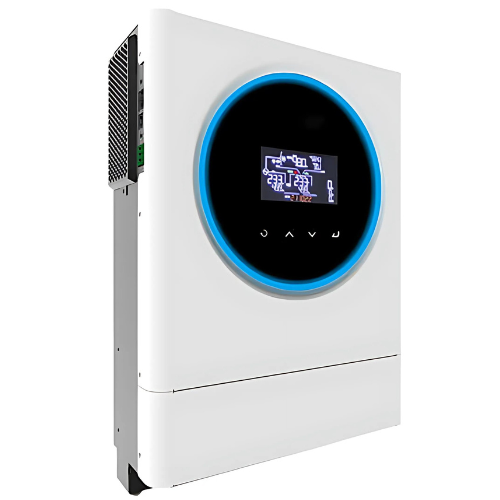
Enviro Forest Two Charger Hybrid Solar Inverter
-
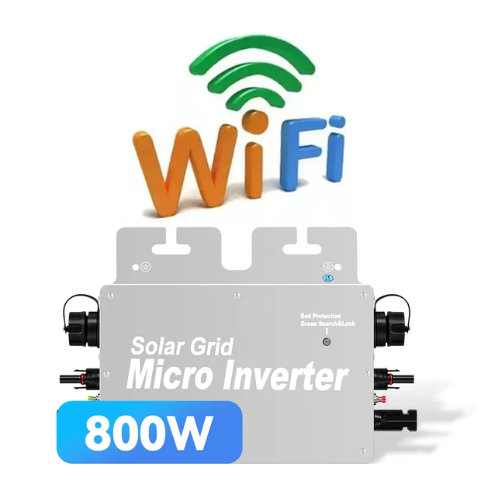
Enviro Forest Voltage Solar Off Grid Inverter
-
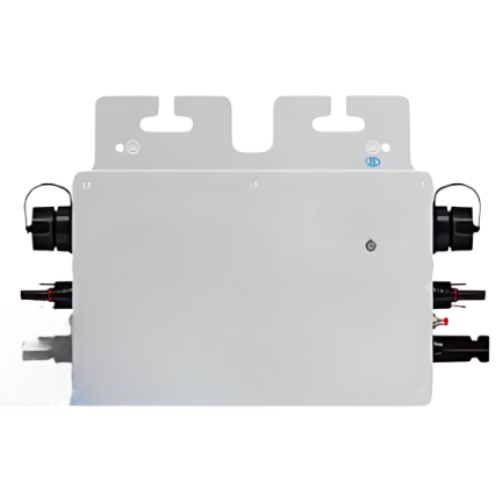
European On Grid Micro Inverter 600W 800W with Solar Panel Mobile APP Tuya Control – Enviro Forest
-
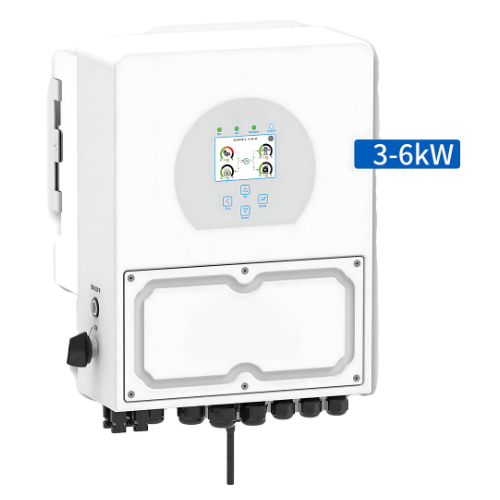
European Single Phase Hybrid 3 KW Solar Inverter For Residential Use With IP65 Protection – Enviro Forest
-
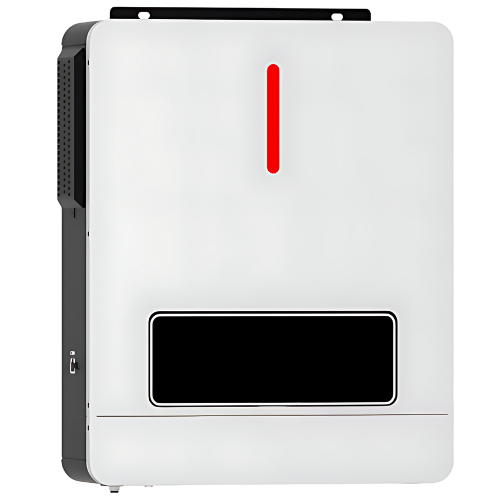
European Standard 6.2 KW Single Phase Low Voltage Solar Off-grid Inverter for Home with Wi-Fi Dongle – Enviro Forest
-
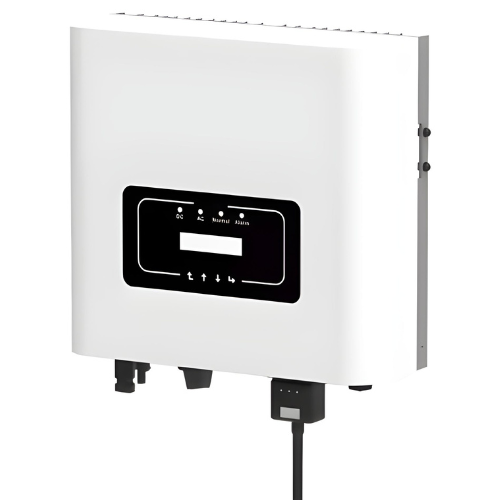
European String Single Phase 3.6 KW 4 KW 4.6 KW 5 KW 6 KW Power Inverter With DualVision MPPT – Enviro Forest
-
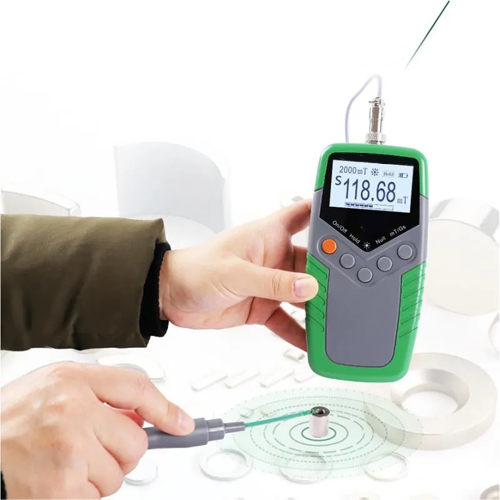
Factor Price MPPT 3200VA to 2200VA, 24V Or 12 VDC, 220VAC Hybrid Solar Inverter And MPPT 80A Charger With Wifi Optional – Enviro Forest
-
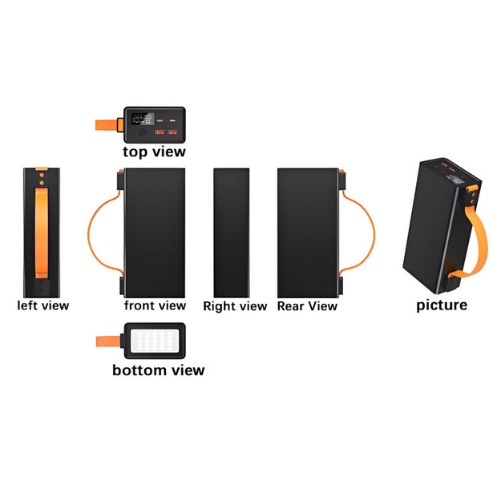
Fast Charging 60000mAh Power Bank – Enviro Forest
-
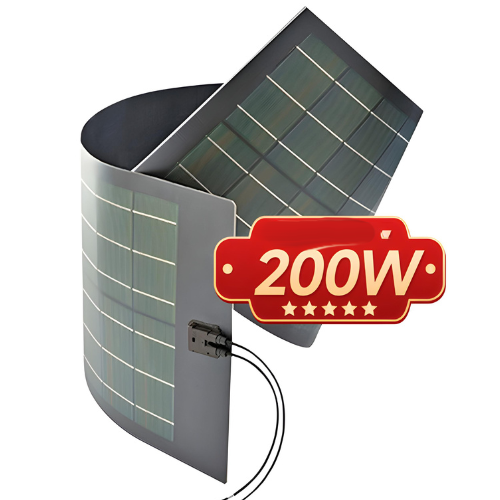
Flexible Solar Panel With Thin Film Monocrystalline – Enviro Forest
-
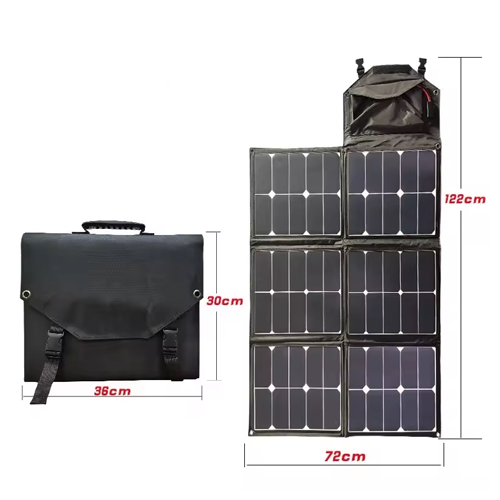
Flexible 360 W Foldable Solar Panel with High Efficiency – Enviro Forest
-
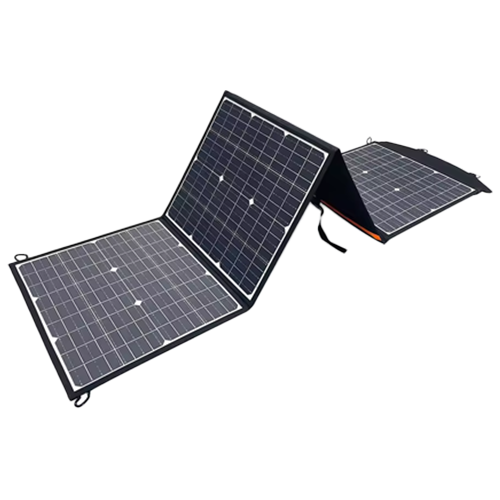
Flexible 360 W Foldable Solar Panel with High Efficiency – Enviro Forest