
Water & Soil Analysis
Reliable water and soil measurement technologies are essential for organizations responsible for environmental monitoring, forestry resource management, and industrial ecosystem assessment. Accurate testing instruments allow engineers, environmental scientists, and operational teams to evaluate chemical composition, nutrient concentration, contamination levels, and water quality parameters that directly influence environmental health and sustainable forestry operations.
Modern analytical instruments combine electrochemical sensing, optical detection methods, conductivity measurement technologies, and turbidity analysis systems to generate accurate field and laboratory measurements. These tools help organizations measure pH levels, ion concentrations, soil salinity, dissolved solids, and water clarity while supporting environmental monitoring initiatives.
Within advanced environmental measurement systems used throughout forestry and ecosystem monitoring programs, water and soil testing instruments provide essential data for environmental assessment, resource conservation planning, and industrial compliance monitoring. Environmental professionals use these instruments to assess soil health, detect contamination, monitor watershed conditions, and evaluate the environmental impact of forestry operations.
Organizations operating biomass facilities, timber processing sites, environmental laboratories, and forestry management programs rely on reliable measurement tools to support sustainable land use, regulatory reporting, and environmental protection initiatives.
Water and soil monitoring technologies from Enviro Forest support environmental measurement programs used in forestry, ecosystem monitoring, and industrial environmental management.
Key functions include:
- Measurement of soil pH levels to assess nutrient availability and soil health within forestry and agricultural ecosystems
- Determination of electrical conductivity to evaluate dissolved salt concentrations in soil and water samples
- Quantification of specific ions using ion selective electrodes for environmental chemistry analysis
- Monitoring of water quality indicators such as dissolved oxygen, pH, conductivity, and total dissolved solids
- Detection of water turbidity levels to evaluate sediment concentration and suspended particulate matter
- Assessment of soil salinity conditions that influence plant growth, root health, and forestry productivity
- Field sampling and measurement during environmental surveys, watershed monitoring, and soil condition assessments
- Data collection supporting environmental impact assessments associated with forestry and industrial land use
- Monitoring water quality in reservoirs, lakes, rivers, and treatment systems used within forestry operations
- Supporting laboratory verification of field measurements for environmental compliance documentation
Measurement instruments used for environmental chemistry and soil analysis must meet strict performance requirements to ensure data reliability.
Important technical specifications include:
- Measurement Range
The instrument must support appropriate detection ranges for expected soil and water chemistry parameters. - Sensor Accuracy and Resolution
High precision sensors ensure reliable measurement of chemical parameters such as pH, conductivity, and ion concentration. - Calibration Requirements
Regular calibration procedures using certified reference solutions maintain measurement integrity. - Probe Durability
Environmental probes must tolerate exposure to soil particles, organic matter, and suspended sediments. - Temperature Compensation
Automatic temperature compensation improves measurement accuracy during field sampling. - Data Storage and Logging Capabilities
Integrated memory allows environmental professionals to record and analyze long term monitoring data. - Portability and Field Deployment
Handheld instruments are preferred for field sampling in forestry locations where laboratory access is limited. - Power Supply Requirements
Battery operation enables extended field deployment during environmental monitoring campaigns.
Handheld pH Meters
Handheld pH meters provide portable measurement of acidity and alkalinity in water and soil solutions. These instruments rely on glass electrode technology that generates electrical potential proportional to hydrogen ion concentration.
Environmental scientists use handheld pH meters during field surveys to assess soil chemistry conditions that influence nutrient availability, microbial activity, and plant growth. Forestry professionals rely on pH measurement to evaluate soil suitability for specific tree species and to monitor environmental changes resulting from forestry activities. Portable pH meters enable rapid testing directly in the field while maintaining measurement accuracy through calibration with standardized buffer solutions.
Conductivity Meters
Conductivity meters measure electrical conductivity within water and soil extracts to estimate dissolved ionic content. The measurement reflects the presence of salts, minerals, and dissolved nutrients within environmental samples.
Conductivity testing is widely used during environmental monitoring programs to assess soil fertility, irrigation water quality, and watershed health. Elevated conductivity values may indicate increased salinity or contamination from industrial runoff or natural mineral dissolution. Forestry operations rely on conductivity analysis to evaluate soil conditions affecting plant growth while environmental engineers use conductivity measurements to monitor water systems near industrial facilities.
Ion Selective Meters
Ion selective meters measure specific ion concentrations using specialized electrodes designed to respond selectively to individual ions such as nitrate, ammonium, potassium, or fluoride.
These instruments enable precise chemical analysis of environmental samples collected during forestry ecosystem monitoring programs. Ion measurement helps researchers understand nutrient cycling, soil fertility, and environmental contamination patterns. Forestry professionals often monitor nitrate and ammonium levels to evaluate nutrient availability within forest soils. Ion selective analysis also supports environmental impact studies related to fertilizer runoff, watershed contamination, and land management practices.
Water Quality Meters
Water quality meters combine multiple sensing technologies to measure parameters such as pH, conductivity, dissolved oxygen, temperature, and total dissolved solids within a single instrument platform.
Environmental monitoring teams frequently deploy these instruments during watershed assessments and environmental impact studies near forestry operations. Continuous measurement of water quality indicators helps organizations evaluate ecosystem health and detect contamination events. Water quality meters are widely used by environmental laboratories, water management agencies, and forestry research programs responsible for monitoring aquatic ecosystems affected by land use activities.
Turbidity Meters
Turbidity meters measure the cloudiness of water caused by suspended particles such as soil sediment, organic debris, and microbial material. Optical sensors detect scattered light produced when particles interfere with a light beam passing through the water sample.
Turbidity analysis helps environmental professionals assess erosion effects, sediment transport in rivers, and water clarity in reservoirs. Forestry operations can influence sediment runoff during land clearing or logging activities, making turbidity monitoring an important component of environmental protection programs. Turbidity meters support regulatory water quality assessments and help identify conditions that may affect aquatic ecosystems.
Soil Salinity Meters
Soil salinity meters measure dissolved salt concentration within soil moisture, providing insight into soil conditions that influence plant growth and ecosystem health.
Salinity measurement is particularly important in environments where irrigation, fertilizer application, or natural mineral deposits influence soil chemistry. Elevated salinity can restrict water absorption by plant roots and reduce forestry productivity. Soil salinity meters help environmental specialists monitor soil conditions, evaluate remediation strategies, and assess the impact of industrial activities on surrounding ecosystems.
- Monitoring soil nutrient conditions across forestry plantations to evaluate long term ecosystem productivity and sustainable land management strategies
- Assessing water quality in rivers and reservoirs located near forestry operations to detect contamination or sediment transport
- Evaluating soil salinity levels affecting tree growth within managed forest ecosystems and reforestation projects
- Supporting environmental impact assessments for industrial developments near forestry land resources
- Monitoring watershed conditions to identify erosion related sediment transport affecting aquatic ecosystems
- Conducting soil chemistry analysis during forestry research studies focused on ecosystem health and nutrient cycling
- Evaluating irrigation water quality used within forestry nurseries and agricultural support operations
- Monitoring environmental conditions around biomass energy facilities to ensure sustainable resource management
- Supporting environmental regulatory reporting programs required for forestry land management activities
- EPA Clean Water Act
- EPA National Pollutant Discharge Elimination System (NPDES)
- ASTM D1125 Standard Test Methods for Electrical Conductivity
- ASTM D1293 Standard Test Method for pH of Water
- ISO 10523 Water Quality Determination of pH
- ISO 7027 Water Quality Determination of Turbidity
- CSA Environmental Water Quality Guidelines
- Environment and Climate Change Canada Water Quality Standards
- S. Geological Survey Water Measurement Standards
| Instrument Type | Primary Parameter Measured | Sensor Technology | Typical Deployment | Measurement Purpose |
| Handheld pH Meter | Hydrogen ion concentration | Glass electrode | Portable field use | Soil and water acidity monitoring |
| Conductivity Meter | Dissolved ionic concentration | Conductivity electrodes | Portable or laboratory | Salinity and mineral content measurement |
| Ion Selective Meter | Specific ion concentration | Ion selective electrodes | Laboratory or field | Nutrient and contamination analysis |
| Water Quality Meter | Multiple parameters | Multi sensor probe | Portable field deployment | Comprehensive water monitoring |
| Turbidity Meter | Suspended particulate concentration | Optical light scattering | Laboratory or portable | Sediment and water clarity analysis |
| Soil Salinity Meter | Dissolved salt concentration | Conductivity probe | Field sampling | Soil chemistry assessment |
Environmental monitoring instruments used for soil and water testing must perform reliably in varied field conditions commonly encountered during forestry surveys and environmental monitoring campaigns. Instruments are frequently used outdoors in environments where temperature variations, moisture exposure, and physical handling may affect equipment performance.
Field scientists often require portable instruments capable of performing measurements directly at sampling locations. Portable devices reduce the need for transporting samples to laboratory facilities, improving efficiency during large scale environmental surveys.
Power requirements vary depending on instrument type and field usage patterns. Handheld instruments typically rely on rechargeable batteries designed to support extended field deployments. Laboratory instruments may use external power supplies when installed in environmental testing facilities.
Data collection and storage capabilities are important for environmental monitoring programs that track ecosystem changes over long periods. Measurement data may be stored internally within instruments or transferred to data management platforms used for environmental analysis and reporting.
Calibration procedures are essential for maintaining measurement accuracy. Environmental professionals often carry calibration solutions to verify instrument performance before conducting field measurements.
Enviro Forest delivers environmental testing instruments designed to support reliable ecosystem monitoring across forestry and industrial environmental applications.
Technical advantages include:
- Accurate electrochemical and optical measurement technologies used for environmental chemistry analysis
- Durable instrument designs suitable for outdoor environmental monitoring programs
- Flexible deployment options supporting both field measurements and laboratory analysis
- Reliable data logging capabilities that support environmental reporting and long term monitoring programs
- Quality assurance processes that maintain measurement accuracy across diverse environmental conditions
- Continuous research and product development programs focused on improving environmental testing technologies
Strong industry experience combined with rigorous engineering practices has helped Enviro Forest build a growing presence among environmental monitoring professionals across North America. Engineering teams and environmental specialists rely on our instruments to support ecosystem monitoring programs, regulatory reporting, and sustainable forestry management.
Enviro Forest delivers environmental testing instruments designed to support reliable ecosystem monitoring across forestry and industrial environmental applications.
Technical advantages include:
- Accurate electrochemical and optical measurement technologies used for environmental chemistry analysis
- Durable instrument designs suitable for outdoor environmental monitoring programs
- Flexible deployment options supporting both field measurements and laboratory analysis
- Reliable data logging capabilities that support environmental reporting and long term monitoring programs
- Quality assurance processes that maintain measurement accuracy across diverse environmental conditions
- Continuous research and product development programs focused on improving environmental testing technologies
Strong industry experience combined with rigorous engineering practices has helped Enviro Forest build a growing presence among environmental monitoring professionals across North America. Engineering teams and environmental specialists rely on our instruments to support ecosystem monitoring programs, regulatory reporting, and sustainable forestry management.
Organizations seeking reliable monitoring solutions for industrial environmental measurement systems can benefit from expert technical guidance and proven instrumentation technologies. Enviro Forest has developed strong industry recognition across North America through ongoing innovation, strict quality assurance practices, and deep technical expertise supporting industrial monitoring environments.
Reach out through our official page to discuss your requirements, request technical consultation, or explore suitable solutions by visiting the Contact Page
Showing 931–945 of 1104 results
-
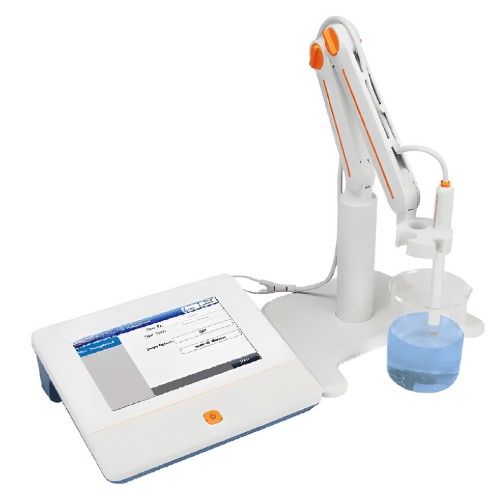
Enviro Forest Water Testing Conductivity Multi-Parameter Meter
-
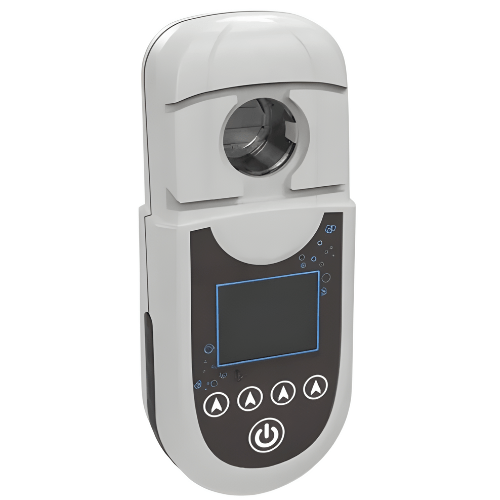
Enviro Forest Water Testing Equipment Quality Detector
-
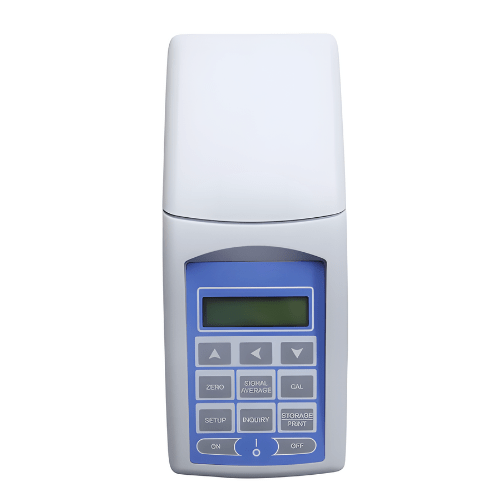
Enviro Forest Water Treatment Turbidimeter
-
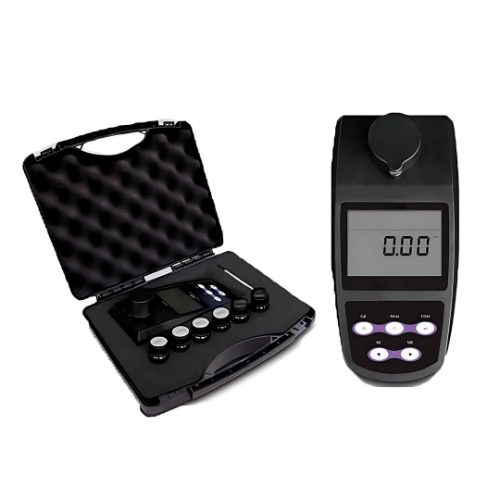
Enviro Forest Water Turbidimeter
-
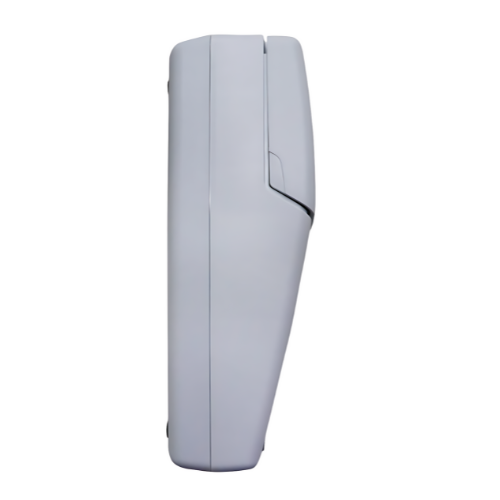
Enviro Forest Water Turbidimeter
-
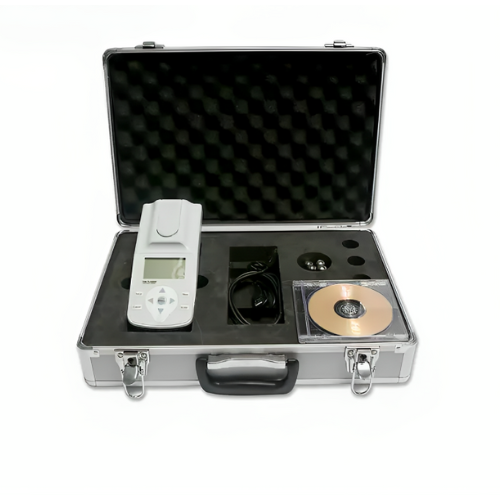
Enviro Forest Water Turbidimeter
-
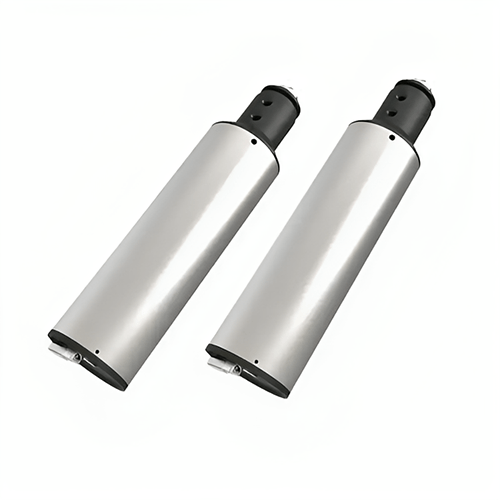
Enviro Forest Water Turbidity Sensor
-
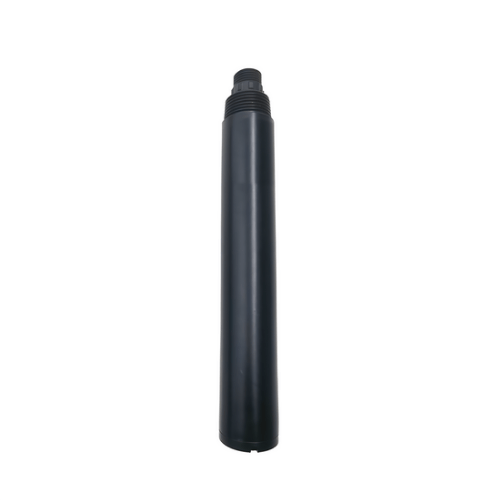
Enviro Forest Water Turbidity Sensor
-
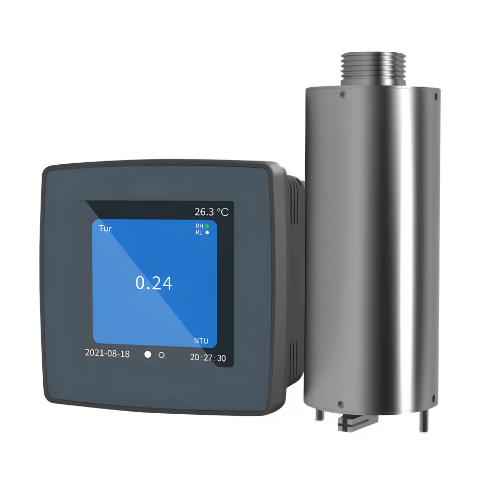
Enviro Forest Water Turbidity Test
-
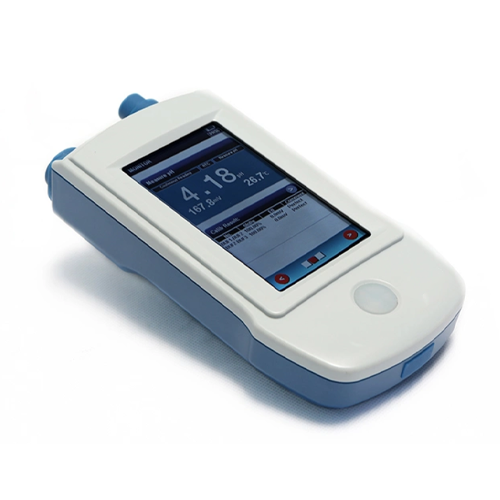
Enviro Forest Waterproof Digital PH Meter
-
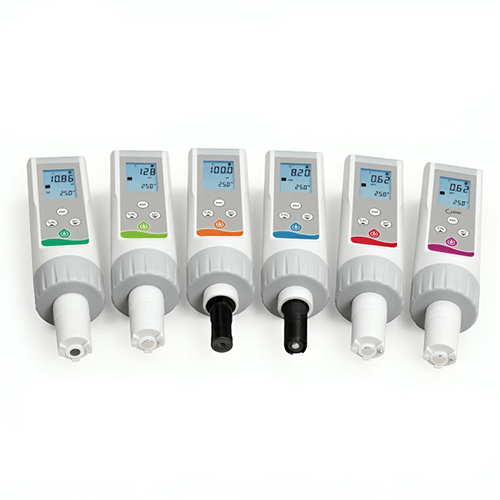
Enviro Forest Waterproof Nitrite Meter Tester
-
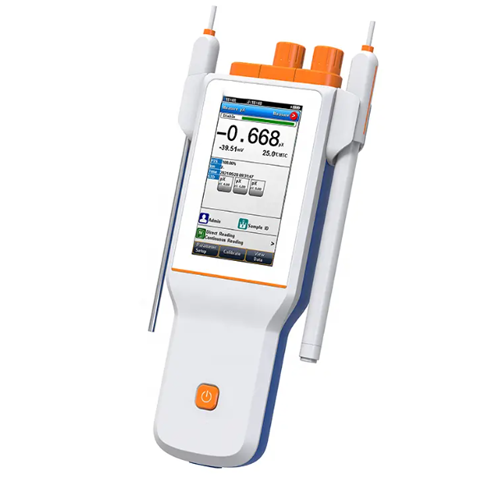
Enviro Forest Waterproof Portable Ion Meter
-
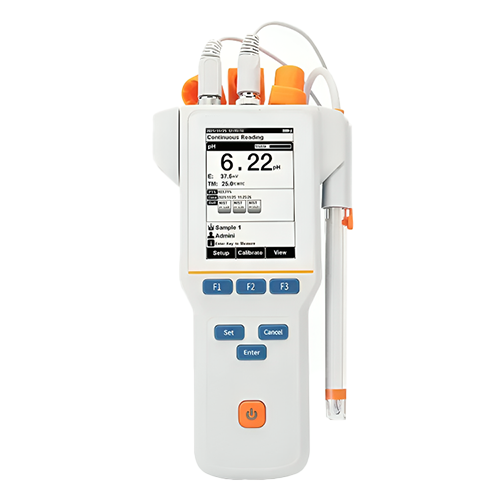
Enviro Forest Waterproof Portable pH Meter
-
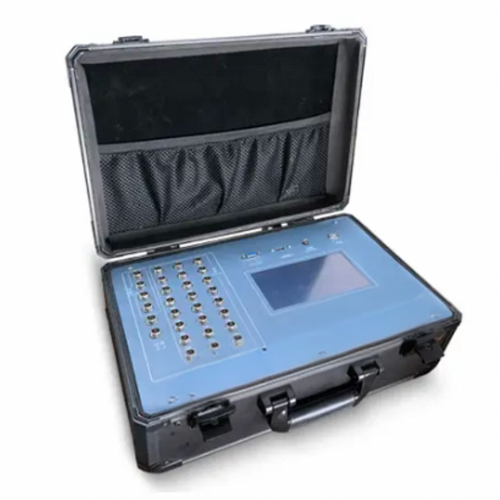
Field Portable Automatic Temperature and Humidity Calibrator Digital Sensor – Enviro Forest
-
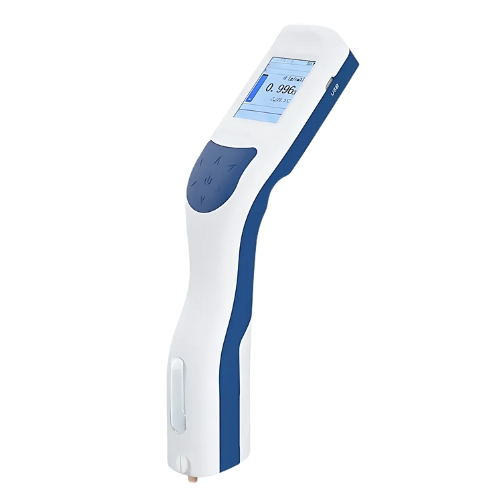
Handheld Digital Liquid Density and Concentration Analyzer – Enviro Forest