
Cellular Data Devices
Reliable field data transmission remains a core requirement for modern forestry monitoring, especially across remote and distributed landscapes. Cellular data devices serve as communication backbones that enable wireless sensors to transmit critical environmental measurements through public cellular networks. These devices convert raw sensor outputs into structured, time-stamped datasets and securely relay them to centralized platforms for analysis.
Designed for rugged outdoor deployments, cellular-enabled telemetry units support continuous data acquisition across forest ecosystems where wired infrastructure is impractical. Their integration with environmental instrumentation allows organizations to monitor soil conditions, microclimate variations, hydrology, and ecological indicators in near real time. Connectivity options spanning LTE, NB-IoT, and multi-band cellular protocols ensure consistent performance across diverse terrains and network conditions.
Understanding Cellular Telemetry Modules for Forestry Monitoring
Cellular data devices are embedded or standalone communication systems that interface with field sensors, aggregate measurement signals, and transmit data over cellular networks to remote servers or cloud-based platforms. These systems typically combine data logging, signal conditioning, and wireless communication capabilities into a single hardware unit.
Enviro Forest cellular telemetry solutions are engineered to support environmental instrumentation deployed in forestry operations, conservation monitoring, and land management programs. Their architecture aligns with distributed sensing networks, where reliability, power efficiency, and data integrity are critical.
Core Technical Components
- Integrated microcontroller or edge processor for data acquisition and preprocessing
- Multi-channel analog and digital sensor interfaces supporting voltage, current, SDI-12, and Modbus protocols
- Embedded cellular modem supporting LTE Cat-M1, NB-IoT, or 4G LTE bands
- SIM or eSIM-based network authentication and provisioning
- Non-volatile storage for buffering data during network outages
- Power management subsystem optimized for battery or solar operation
Deployment Topologies
- Standalone field nodes transmitting directly to centralized servers
- Gateway-based configurations aggregating data from multiple local sensors
Hybrid mesh-to-cellular architectures for extended coverage in dense forest environments
Data Acquisition and Transmission Capabilities
Enviro Forest cellular communication units support continuous and event-driven data logging. Devices can be configured to collect high-frequency measurements or operate on scheduled intervals depending on environmental monitoring objectives.
Key Functional Capabilities
- Real-time data transmission using cellular uplinks with configurable reporting intervals
- Store-and-forward functionality to prevent data loss during temporary network disruptions
- Remote firmware updates and configuration management via over-the-air protocols
- Edge data filtering and threshold-based alert triggering for anomaly detection
- Multi-sensor integration enabling synchronized environmental measurements
- Secure data encryption using TLS or VPN tunnels for transmission integrity
Flexible configuration options allow integration into complex environmental monitoring ecosystems. Enviro Forest devices support interoperability with existing instrumentation and data platforms.
Configuration Options
- Multi-band cellular support for North American and global deployments
- External antenna configurations for signal optimization in dense canopy environments
- Solar power integration with intelligent charge regulation for long-term deployments
- Customizable data formats including JSON, CSV, and binary payloads
- Compatibility with cloud platforms, SCADA systems, and GIS-based analytics tools
- Low-power modes for extended operation in remote, off-grid locations
Network Resilience and Field Performance
Forest environments introduce challenges such as signal attenuation, extreme weather, and limited access. Enviro Forest devices are engineered to maintain operational stability under these conditions.
- Adaptive network selection across available cellular bands
- Signal strength optimization through antenna tuning and placement strategies
- Environmental sealing for protection against moisture, dust, and temperature fluctuations
- Shock and vibration resistance for deployment in rugged terrains
Use Cases Across Field Operations
Cellular data devices enable a wide range of monitoring applications that support forest management, environmental compliance, and research initiatives.
- Remote soil moisture monitoring systems transmitting continuous hydration data for irrigation planning and drought assessment across large forest regions
- Microclimate monitoring networks capturing temperature, humidity, and light intensity variations to support biodiversity studies and ecological modeling
- Watershed and hydrological monitoring stations transmitting stream flow and water quality data for conservation and regulatory reporting
- Wildfire risk assessment systems integrating temperature, wind, and humidity sensors to provide early warning signals and predictive analytics
- Forest carbon monitoring deployments measuring biomass and environmental parameters to support carbon accounting and sustainability programs
- Pest and disease detection systems collecting environmental conditions that influence outbreak patterns and enabling early intervention strategies
- Remote weather stations supporting forestry operations with localized atmospheric data for planning harvesting and field activities
- Long-term ecological research installations transmitting high-resolution environmental datasets to centralized research databases
- Infrastructure monitoring systems tracking environmental impact around logging roads, bridges, and operational zones
- Regulatory compliance monitoring systems capturing emissions, soil conditions, or water quality metrics required for environmental reporting
Certifications and Regulatory Alignment
- FCC Part 15
- ICES-003 (Industry Canada)
- PTCRB Certification
- UL Certification (UL 61010-1)
- CSA C22.2 Standards
- RoHS Compliance
- CE Marking (for global compatibility)
- ISO 9001 Quality Management Systems
- ISO 14001 Environmental Management Systems
Design Differentiators for Field Deployment
Enviro Forest has established a strong reputation across North America by delivering robust environmental monitoring solutions that meet the operational demands of forestry professionals and engineers. Our cellular data devices reflect continuous investment in research, rigorous testing, and field-driven design improvements.
Technical Advantages
- Optimized power consumption enabling multi-year deployments using solar-assisted battery systems
- High data integrity through redundancy mechanisms and local data buffering
- Scalable architecture supporting expansion from single-node deployments to large sensor networks
- Protocol versatility ensuring compatibility with diverse environmental instrumentation
- Remote diagnostics enabling proactive maintenance and reduced field visits
- Environmental durability validated through exposure to temperature extremes, humidity, and particulate ingress
System-Level Benefits
- Reduced operational costs through elimination of manual data collection
- Improved decision-making through near real-time access to environmental data
- Enhanced visibility across remote forestry assets and ecosystems
- Streamlined integration into enterprise data systems and analytics platforms
Practical Field Insights
Field deployments often encounter inconsistent cellular coverage, particularly in dense forest canopies or mountainous terrain. Enviro Forest addresses this through antenna optimization strategies and configurable transmission intervals that align with available network conditions. Assumptions regarding signal strength should always be validated during site surveys to ensure optimal device placement and performance.
Organizations seeking reliable environmental data transmission solutions can benefit from Enviro Forest’s expertise in deploying cellular-enabled monitoring systems across complex forest environments. Our team provides technical consultation, product guidance, and integration support tailored to specific operational requirements.
For detailed product specifications, deployment recommendations, or to discuss your project needs, reach out through our official Contact Us page and connect with our engineering and support team.
Showing 151–165 of 167 results
-
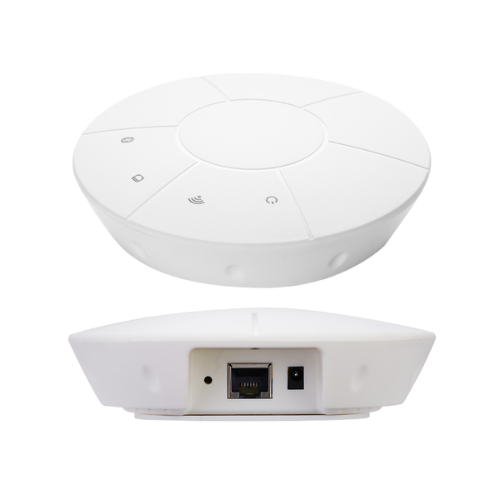
Smart Industrial IoT Gateway with WiFi Bluetooth and Data Collection – Enviro Forest
-
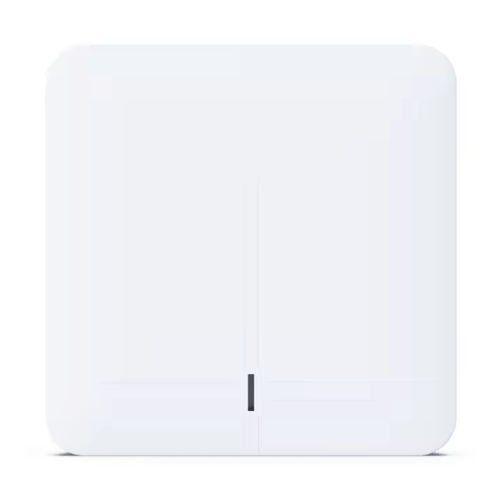
Smart IoT Beacons Gateways Sim Card LTE Wireless Bluetooth Gateway – Enviro Forest
-
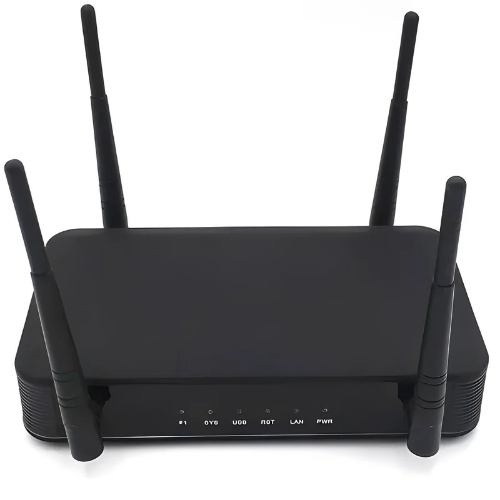
Smart IoT Gateway 100M Bluetooth V5.0 WiFi Bridge Dual Mode – Enviro Forest
-
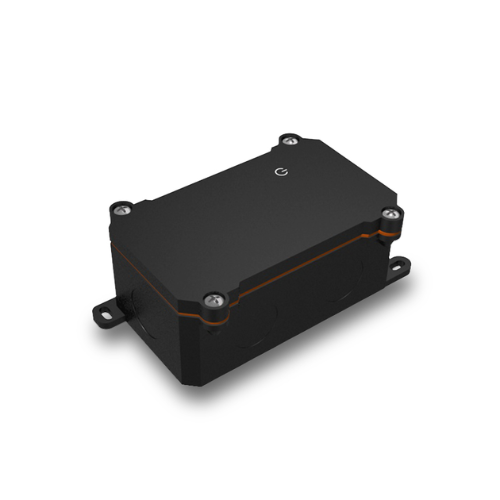
Smart IoT GPS Tracker with LTE-M NB-IoT for Vehicle and Agriculture – Enviro Forest
-
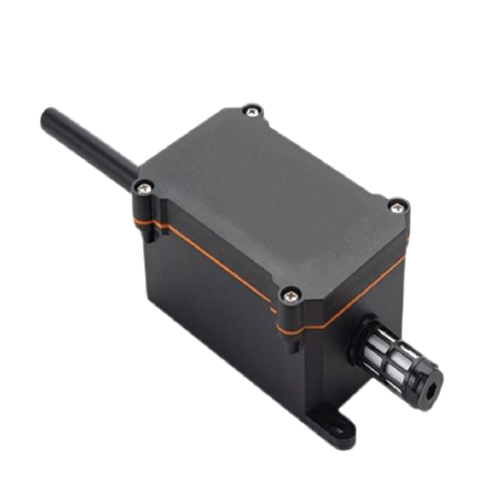
Smart LTE-M NB-IoT Bluetooth Gateway for Asset and Vehicle Tracking – Enviro Forest
-
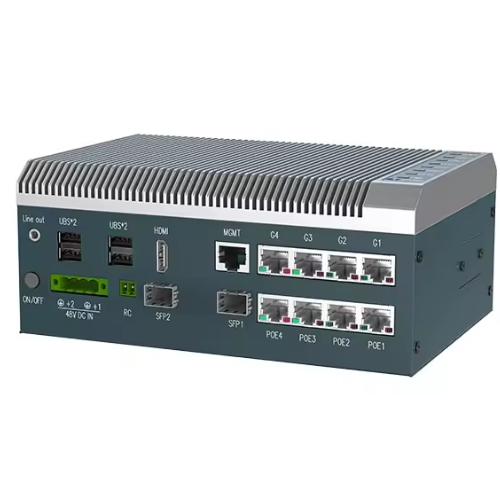
Smart Traffic IoT Device Gateway with 8 GB Memory & Multi-Networks – Enviro Forest
-
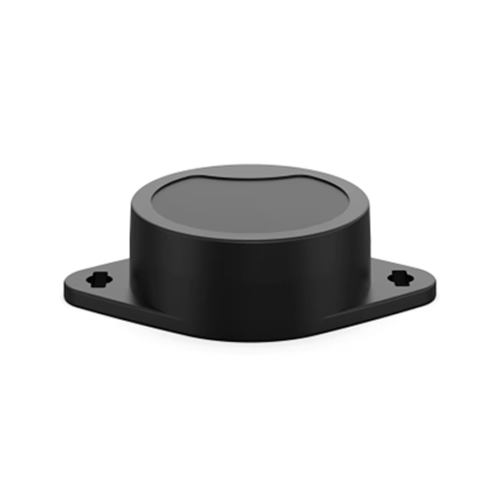
Smart UWB Bluetooth Beacon for Indoor Tracking and Asset Monitoring – Enviro Forest
-
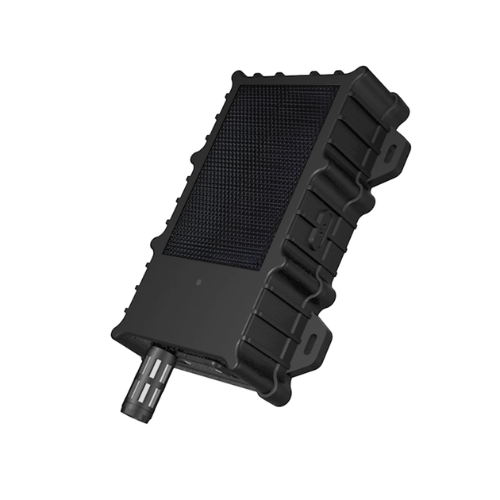
Solar Powered IoT LTE Beacon with GPS Tracking and BLE Sensors – Enviro Forest
-
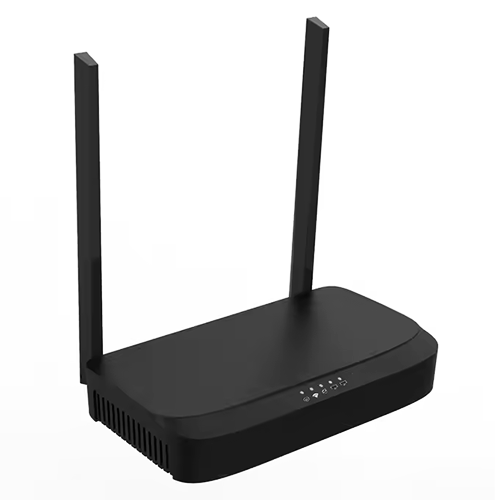
Unlocked 4G LTE WiFi Router with SIM Card Slot for Home – Enviro Forest
-
Waterproof BLE Temperature Sensor Beacon for Indoor Tracking – Enviro Forest
-
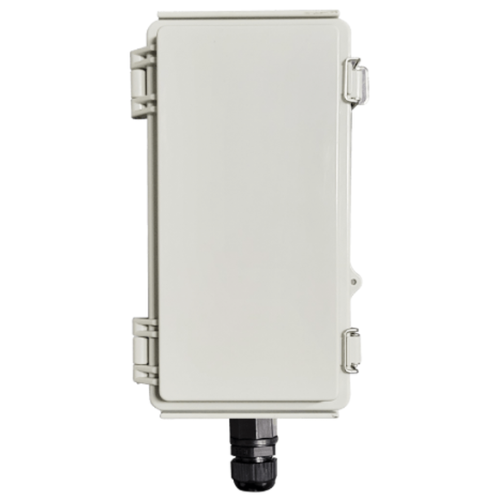
Waterproof BLE WiFi IoT Beacon Gateway for Logistics and Asset Tracking – Enviro Forest
-
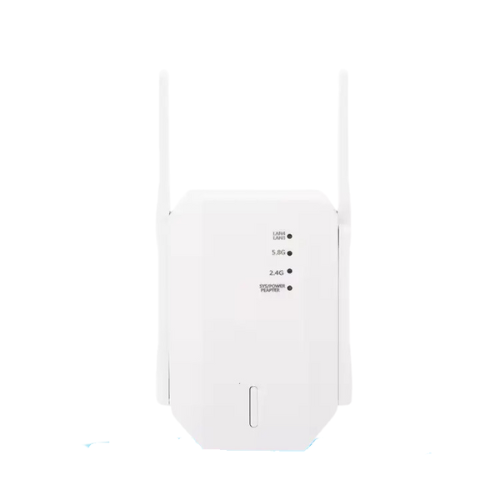
Wifi Signal Booster Wireless Network Extender Wifi Long Range Extender – Enviro Forest
-
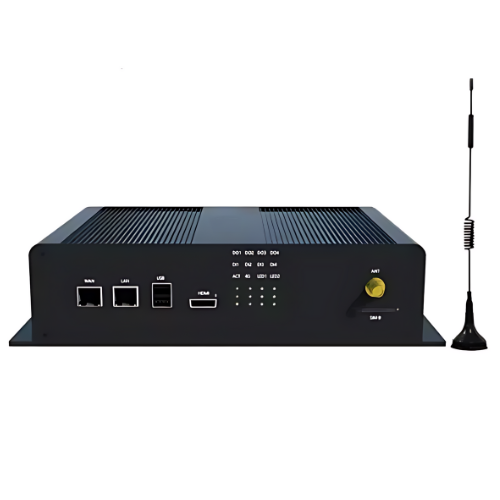
Wireless Controller IoT Cellular Gateway Support BACnet Protocol – Enviro Forest
-
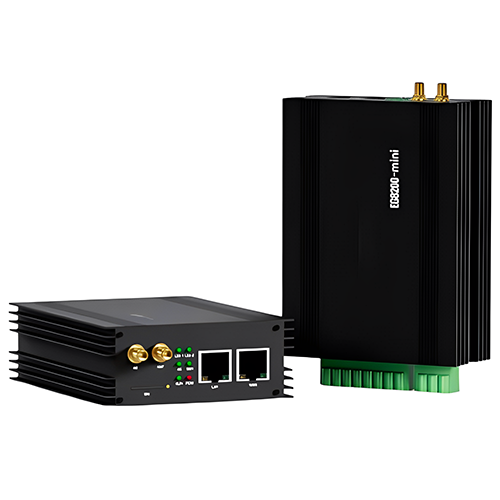
Wireless IoT Gateway Router for Industrial Applications – Enviro Forest
-
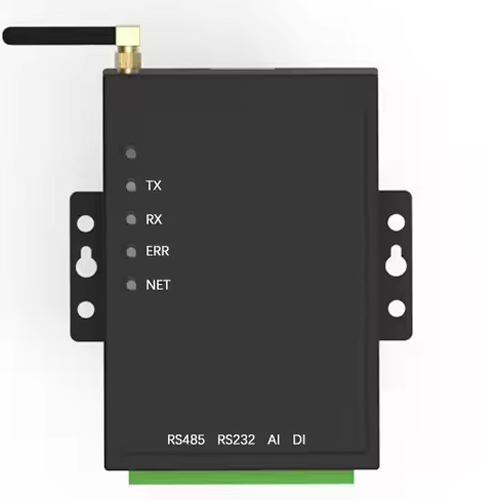
Wireless IoT Gateway Transmitter Receiver for Industrial Use – Enviro Forest