
Wireless Field Sensors
Wireless field sensors provide distributed, real-time data acquisition across remote and rugged landscapes where traditional wired systems are impractical. These sensor networks are designed to measure environmental variables such as air quality, gas concentrations, soil conditions, and microclimate dynamics. Built for forestry operations and environmental measurement programs, they enable continuous monitoring without manual intervention.
Wireless sensing devices integrate low-power communication protocols, onboard data processing, and scalable network architectures to support large geographic deployments. These systems are particularly effective in forest environments where terrain variability, vegetation density, and accessibility constraints demand resilient instrumentation. Data collected supports ecological analysis, compliance reporting, and operational decision-making.
Sensor nodes typically communicate through LPWAN, cellular, or mesh networks, ensuring reliable transmission even in signal-challenged areas. Combined with gateway infrastructure and cloud-based analytics, wireless monitoring systems help transform raw environmental data into actionable insights for long-term resource management.
Core Measurement and Monitoring Functions
Wireless sensing platforms support a wide range of environmental measurement and data acquisition functions relevant to forestry and ecosystem monitoring:
- Continuous measurement of air pollutants including particulate matter, VOCs, and greenhouse gases
- Real-time soil moisture, temperature, and humidity tracking for forest health assessment
- Detection of hazardous gas leaks in industrial forestry zones or adjacent processing facilities
- Multi-parameter environmental data logging with timestamp synchronization
- Wireless transmission using LoRa, cellular LTE, or hybrid communication protocols
- Edge-based data filtering and preprocessing to reduce transmission load
- Remote diagnostics and firmware updates for field-deployed sensor nodes
- Integration with GIS platforms and environmental modeling tools
- Event-triggered alerts for threshold exceedances or abnormal environmental conditions
- Support for scalable sensor networks across large forested regions
Engineering Parameters for Sensor Evaluation
Selecting appropriate air quality and environmental monitoring instruments requires careful evaluation of technical specifications:
- Measurement range and detection limits for targeted gases or particulates
- Sensor response time and recovery characteristics under varying environmental conditions
- Calibration requirements and long-term drift stability
- Operating temperature and humidity tolerance for outdoor deployments
- Power consumption profiles and battery life under continuous operation
- Communication protocol compatibility such as LoRaWAN, NB-IoT, or LTE-M
- Data resolution and sampling frequency capabilities
- Enclosure ratings including IP65 or higher for environmental protection
- Interference resistance from other environmental or industrial signals
- Integration capability with existing monitoring infrastructure and data platforms
Wireless Field Sensors
Wireless field sensors form the foundation of distributed environmental monitoring systems. These compact devices are engineered for low-power operation and long-term deployment in remote forest environments. Each unit integrates sensing elements, microcontrollers, and communication modules to capture and transmit environmental data. Designed for scalability, they support mesh or star network topologies and can operate autonomously for extended periods. Environmental resilience is achieved through rugged enclosures and temperature-tolerant components. These sensors are commonly used for air quality tracking, soil monitoring, and microclimate analysis across large forested areas.
Industrial Monitoring Sensors
Industrial monitoring sensors are tailored for forestry operations that intersect with processing facilities, sawmills, or biomass plants. These sensors measure emissions, gas leaks, and environmental conditions in industrial zones within or near forest ecosystems. They offer higher precision and faster response times compared to general-purpose field sensors. Integration with control systems enables real-time alerts and compliance monitoring. These devices are often deployed in fixed positions and require stable power sources, although some models support hybrid power configurations for semi-remote installations.
Chemical Gas Sensors
Chemical gas sensors are specialized instruments designed to detect specific gases such as carbon monoxide, methane, nitrogen oxides, and sulfur compounds. These sensors use electrochemical, infrared, or metal oxide semiconductor technologies depending on the target analyte. High sensitivity and selectivity are critical for detecting low-concentration gases in forest environments where background levels may vary. Calibration stability and cross-sensitivity management are key considerations. These sensors are often integrated into broader wireless monitoring systems for continuous environmental surveillance.
Motion Position Sensors
Motion and position sensors support spatial tracking and movement detection in forestry applications. These devices are used to monitor equipment movement, wildlife activity, or unauthorized access in protected areas. Technologies include accelerometers, gyroscopes, and GPS modules. Data from these sensors can be correlated with environmental conditions to provide contextual insights. Low-power operation and intermittent data transmission are typical to conserve energy in remote deployments. These sensors enhance situational awareness and operational safety in forest environments.
LoRa Field Gateways
LoRa field gateways act as communication hubs for wireless sensor networks. They aggregate data from multiple sensor nodes and transmit it to centralized servers or cloud platforms. Designed for long-range, low-power communication, LoRa gateways are ideal for large forested areas with limited infrastructure. These devices support multiple channels and can handle high node densities. Deployment flexibility allows installation on towers, poles, or mobile units. Gateway reliability is critical for maintaining network integrity and ensuring consistent data flow.
Cellular Data Devices
Cellular data devices provide connectivity in areas where LPWAN coverage is insufficient or unavailable. These devices use LTE, 4G, or emerging 5G networks to transmit environmental data directly to cloud systems. They are typically used in hybrid architectures alongside LoRa networks. Cellular modules offer higher bandwidth and lower latency, which is beneficial for applications requiring near real-time data access. Power consumption is higher compared to LPWAN devices, so energy management strategies are essential for remote deployments.
GPS Tracking Units
GPS tracking units enable precise location tracking of assets, equipment, or mobile sensor platforms. These units are essential for mapping sensor data to geographic coordinates and for monitoring movement patterns. High-sensitivity GPS receivers ensure accurate positioning even under dense forest canopies. Data from GPS units can be integrated with environmental measurements to support spatial analysis. These devices often include motion sensors and communication modules for comprehensive tracking solutions.
Wireless sensing technologies support a wide range of environmental monitoring and forestry-related applications:
- Monitoring air quality in forest management zones to assess pollutant dispersion and ecological impact
- Tracking soil moisture and temperature for wildfire risk assessment and prevention strategies
- Detecting gas emissions near biomass processing facilities for safety and regulatory compliance
- Supporting reforestation projects with continuous environmental condition monitoring
- Measuring microclimate variations across different forest layers for ecological research
- Monitoring environmental impact of logging operations in sensitive forest regions
- Tracking movement of forestry equipment to optimize operational efficiency and reduce environmental disruption
- Enabling remote environmental audits for regulatory reporting across distributed forest assets
- Supporting carbon sequestration studies through long-term environmental data collection
- Monitoring buffer zones around industrial sites to ensure environmental protection standards
- EPA Air Quality Standards
- Clean Air Act
- NIOSH Guidelines
- OSHA Environmental Monitoring Requirements
- CSA Environmental Standards
- Environment and Climate Change Canada Regulations
- ISO 14001 Environmental Management Systems
- ANSI Air Monitoring Standards
| Capability Area | Wireless Field Sensors | Industrial Sensors | Gas Sensors | LoRa Gateways | Cellular Devices | GPS Units |
| Primary Function | Environmental sensing | Industrial monitoring | Gas detection | Data aggregation | Data transmission | Location tracking |
| Communication Method | LPWAN, mesh | Wired or wireless | Integrated modules | LoRaWAN | LTE, 4G, 5G | Cellular or LPWAN |
| Power Requirements | Low | Moderate to high | Moderate | Moderate | High | Low to moderate |
| Deployment Environment | Remote outdoor | Industrial sites | Mixed | Fixed outdoor | Mixed | Mobile or fixed |
| Data Frequency | Periodic | Continuous | Event-driven | Aggregated | Real-time | Periodic |
| Scalability | High | Moderate | Moderate | High | Moderate | High |
Deployment, Power, and Data Architecture
Wireless monitoring systems must be designed with environmental and operational constraints in mind. Forest environments present challenges such as variable terrain, limited accessibility, and exposure to extreme weather conditions. Sensor enclosures must provide adequate protection while maintaining measurement accuracy.
Power management is a critical factor. Battery-operated sensors require optimization through low-power communication protocols and adaptive sampling rates. Solar-assisted power systems are often used to extend operational life in remote deployments.
Mobility requirements vary depending on the application. Fixed sensor nodes are used for continuous monitoring, while mobile units may be deployed on vehicles or drones for dynamic data collection.
Data handling approaches include edge processing to reduce transmission load and centralized cloud platforms for storage and analysis. Network architecture must balance coverage, latency, and reliability. Hybrid communication models combining LoRa and cellular technologies are commonly implemented to ensure consistent connectivity.
Technical Advantages of Wireless Field Sensors for Environmental Measurement
Performance and System-Level Benefits
Enviro Forest wireless sensing technologies provide several technical advantages for environmental monitoring in forestry applications:
- Enables large-scale deployment across geographically dispersed forest areas without extensive infrastructure
- Reduces manual data collection efforts through automated, continuous monitoring
- Supports integration with advanced analytics platforms for predictive environmental modeling
- Provides real-time visibility into environmental conditions for proactive decision-making
- Enhances regulatory compliance through accurate and consistent data logging
- Improves operational efficiency by enabling remote system management and diagnostics
Enviro Forest has quickly established itself as a trusted leader in delivering advanced environmental testing and measurement solutions for the forest industry. A growing B2B presence across North America reflects strong performance in technology innovation, product reliability, and customer-focused support. Research-driven development, strict quality assurance, and expert guidance enable businesses to streamline operations and maximize the value of environmental monitoring systems.
What communication protocols are supported by wireless field sensors?
Most systems support LoRaWAN, NB-IoT, LTE-M, and proprietary mesh protocols depending on deployment requirements.
How is data reliability ensured in remote forest environments?
Redundant communication paths, edge buffering, and error-checking mechanisms help maintain data integrity.
What is the typical battery life of a wireless sensor node?
Battery life varies from several months to multiple years depending on sampling frequency and communication intervals.
Can these sensors operate in extreme weather conditions?
Devices are typically rated for wide temperature ranges and include IP-rated enclosures for environmental protection.
How are sensors calibrated in the field?
Calibration can be performed manually or through remote calibration routines depending on sensor type and system design.
What data platforms are compatible with these systems?
Most systems integrate with cloud platforms, SCADA systems, and GIS tools through standard APIs.
Are these sensors suitable for regulatory compliance monitoring?
Yes, many configurations are designed to meet environmental monitoring standards and reporting requirements.
Technical teams, system integrators, and procurement specialists seeking reliable environmental monitoring solutions can engage directly with Enviro Forest for tailored guidance. Whether evaluating sensor configurations, designing large-scale deployments, or integrating with existing infrastructure, our team provides expert support throughout the process.
Reach out through our dedicated contact page to discuss your requirements, request technical documentation, or explore deployment strategies by visiting the Contact Us section.
Showing 211–225 of 1113 results
-
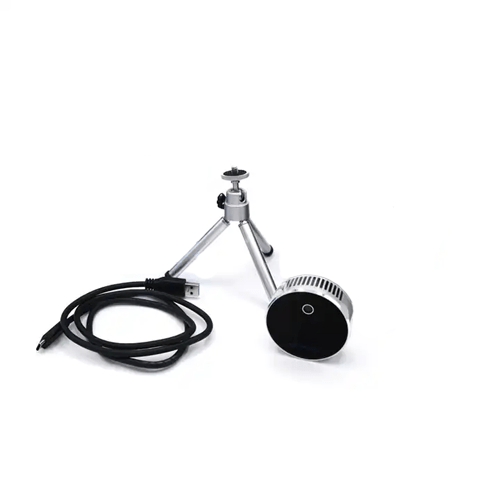
Depth Sensor, 0.82ft to 29.5ft Ideal Range, 0.2in to 0.6 Accuracy – Enviro Forest
-
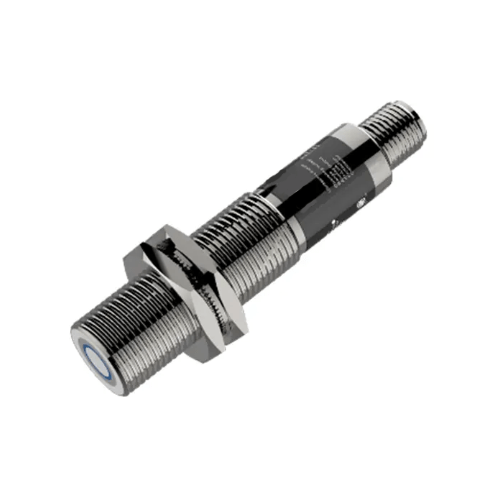
Diffuse Reflection Ultrasonic Sensor with IO-Link & 10V Output – Enviro Forest
-
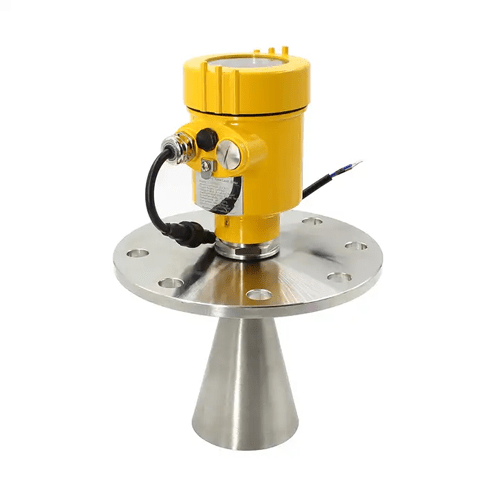
Digital 35m Radar Level Sensor, IP68, ExiallCT6, 10.2GHz, 4-20mA Output – Enviro Forest
-
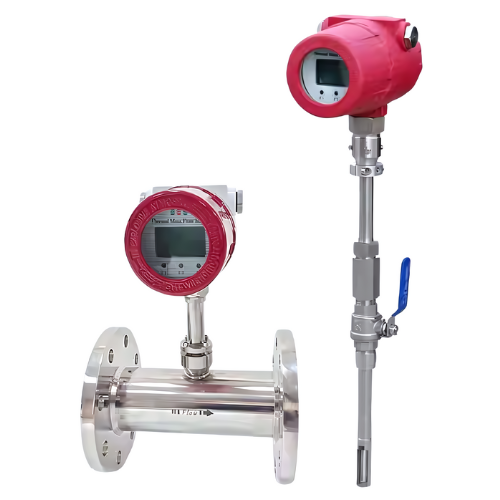
Digital Flow Sensor with RS485 – Enviro Forest
-
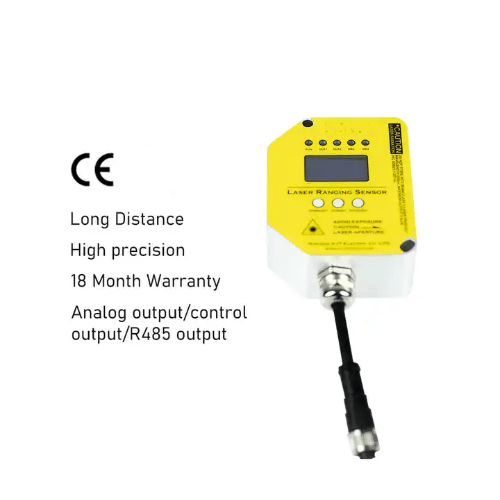
Digital Laser Sensor, DC 10-30V, 5-Digit Display, IP 65, 1mm Resolution – Enviro Forest
-
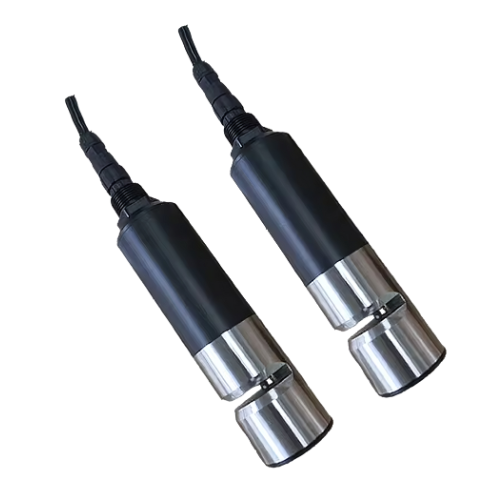
Digital Sensor with RS-485 MODBUS no reagent for SAC, COD, TOC Measurement – Enviro Forest
-
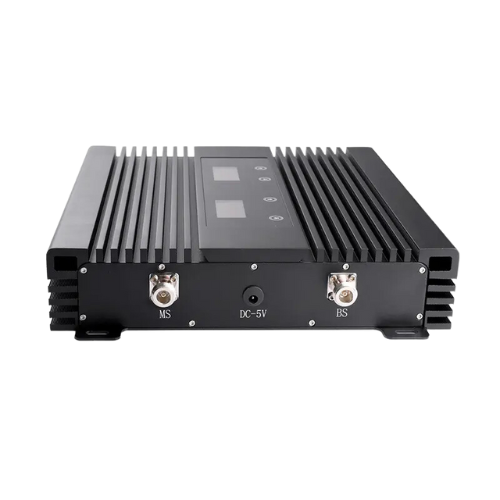
Dual Band 1800+2600MHz 4G/5G Signal Booster Repeater – Enviro Forest
-
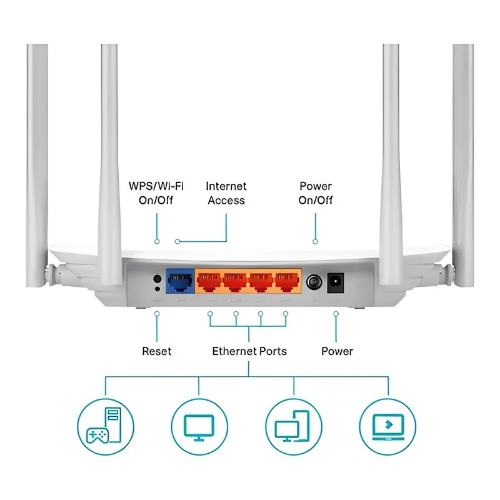
Dual Band Gigabit Router With 1200Mbps Speed & Guest WiFi – Enviro Forest
-
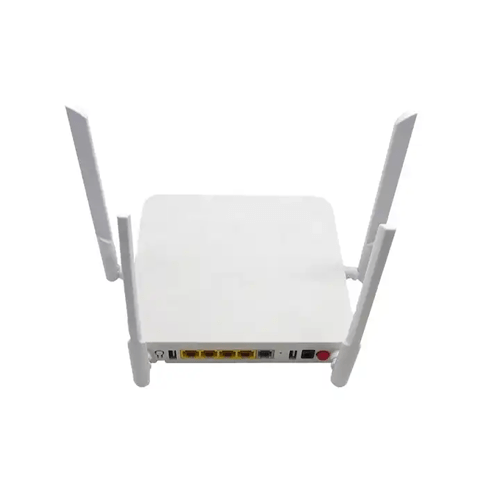
Dual Band GPON Cellular Modem with 4 GE Ports, USB, and Wi-Fi – Enviro Forest
-
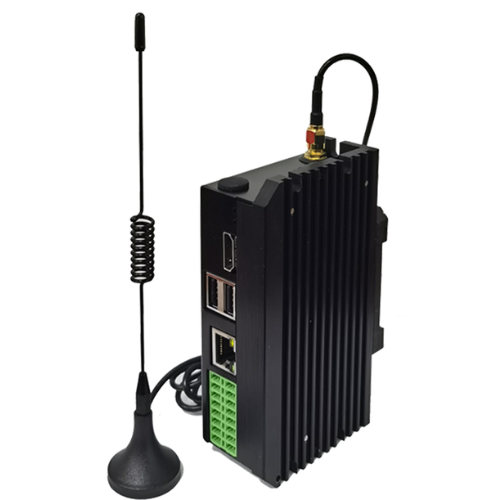
Dual Band LoRaWAN & LTE Gateway with Broadcom CPU – Enviro Forest
-
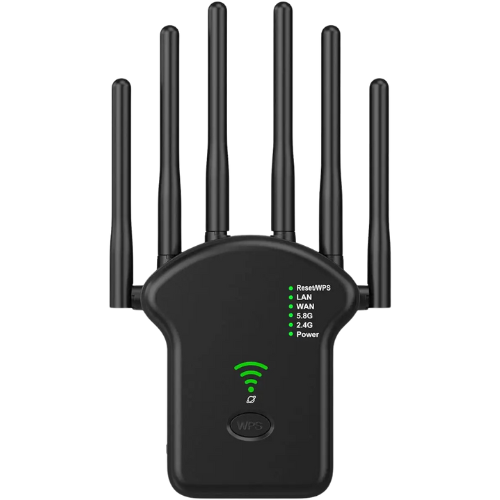
Dual Band WiFi Extender 1200Mbps AP Mode Weatherproof – Enviro Forest
-
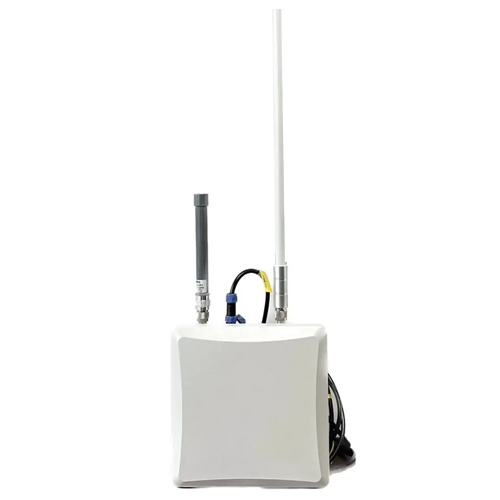
Dual Core Industrial LoRaWAN 4G Gateway – Enviro Forest
-
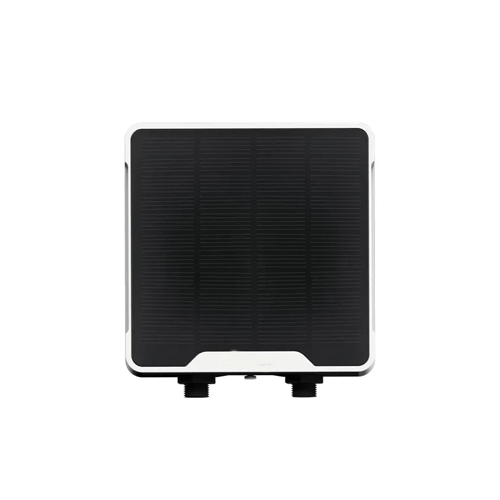
Dual Interface IoT Device with Solar Charging and Long Battery Life – Enviro Forest
-
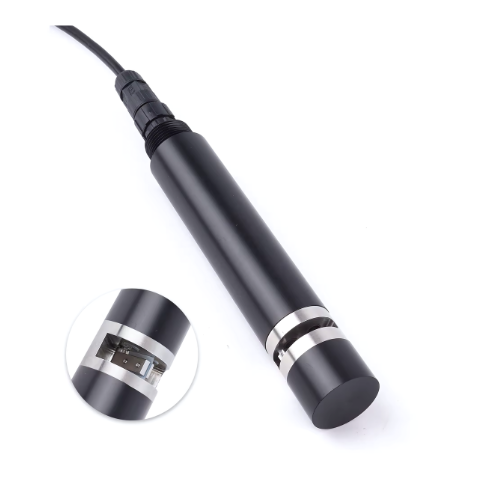
Dual Light Source Sensor for COD and Turbidity with RS485 and MODBUS Output – Enviro Forest
-
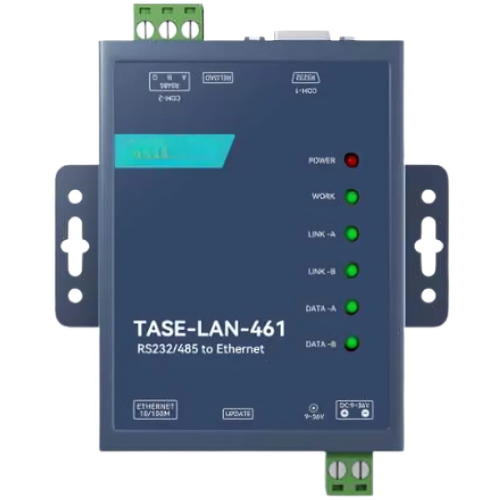
Dual Ports Ethernet Modbus Gateway for Industrial Use – Enviro Forest