
Electrical Field Testers
Electrical field testers form a critical layer in environmental testing and measurement workflows, particularly where electrical integrity, signal behavior, and material performance intersect with operational safety. These instruments are engineered to measure voltage, current, resistance, frequency, and signal characteristics across complex systems used in forestry operations, environmental monitoring stations, and industrial infrastructure.
Accurate electrical diagnostics support validation of sensor networks, testing of monitoring equipment, and verification of power systems that drive environmental data acquisition. Electrical measurement devices such as clamp meters, insulation testers, and oscilloscopes enable engineers to detect faults, confirm compliance, and maintain system continuity under varying field conditions.
Use cases span remote forestry installations, laboratory validation environments, and regulatory inspections. Portable configurations, high sensitivity measurement capabilities, and compatibility with data logging systems make these tools essential for engineers and technical teams responsible for environmental instrumentation performance.
Functional Scope of Electrical Measurement Instruments
Enviro Forest provides electrical field testing instruments designed to support advanced environmental diagnostics and system validation across diverse operating environments.
Key Functions
- Measure AC and DC current flow in energized systems without circuit interruption using clamp-based sensing technologies
- Evaluate insulation integrity across cables, transformers, and environmental monitoring equipment
- Perform low-resistance measurements for validating grounding systems and conductive pathways
- Capture waveform characteristics including amplitude, frequency, and transient behavior in sensor-driven systems
- Analyze electromagnetic signal distributions for interference detection in remote monitoring networks
- Support calibration and verification of environmental data acquisition instruments powered by electrical systems
- Detect leakage currents and insulation degradation in harsh outdoor installations
- Enable predictive maintenance by identifying anomalies in electrical performance trends
- Integrate with digital interfaces for exporting test data into analysis platforms
Although electrical field testers are not direct air quality sensors, they play a supporting role in validating electrical components used in environmental monitoring systems, including air quality instrumentation.
Important Evaluation Criteria
- Measurement range for voltage, current, and resistance across expected operational thresholds
- Accuracy class and resolution for detecting minor variations in electrical performance
- Input impedance and noise immunity for stable readings in electrically noisy environments
- Environmental protection ratings such as IP classification for outdoor and forestry deployments
- Sampling rate and bandwidth for waveform capture in dynamic systems
- Data logging capabilities and compatibility with environmental monitoring software
- Battery life and power efficiency for extended field operations
- Safety ratings such as CAT III or CAT IV for high-energy environments
- Calibration requirements and traceability to recognized standards
Electrical Field Tester Subcategories and Technical Roles
Clamp Current Meters for Non-Intrusive Current Measurement
Clamp current meters are designed for measuring current without direct electrical contact with conductors. These instruments use magnetic field detection to quantify current flow, making them ideal for live system diagnostics. Forestry monitoring systems often rely on uninterrupted operation, so clamp meters allow technicians to assess electrical loads without shutting down equipment.
Advanced models support true RMS measurements, enabling accurate readings in systems with non-linear loads such as sensor arrays and communication modules. Integrated temperature and voltage measurement functions expand their utility in environmental instrumentation validation.
Insulation Resistance Testers for System Integrity Validation
Insulation resistance testers evaluate the dielectric strength of electrical insulation in cables, transformers, and monitoring equipment. These instruments apply high voltage and measure leakage current to determine insulation quality.
Environmental monitoring systems deployed in forests are exposed to moisture, temperature fluctuations, and biological factors that degrade insulation over time. Insulation testers help identify early signs of failure, preventing data loss and system downtime. High-voltage testing ranges and automated test sequences improve efficiency during large-scale inspections.
Micro Ohm Meters for Low-Resistance Measurement
Micro ohm meters measure extremely low resistance values, often in the micro-ohm range. These instruments are essential for verifying the integrity of electrical connections, grounding systems, and bonding networks.
Reliable grounding is critical for environmental monitoring systems to ensure accurate signal transmission and protection against electrical faults. Micro ohm meters use four-wire Kelvin measurement techniques to eliminate lead resistance errors, delivering precise readings in field conditions.
Digital Oscilloscopes for Signal Analysis
Digital oscilloscopes capture and visualize electrical signals over time, providing insights into waveform characteristics such as amplitude, frequency, and distortion. These instruments are widely used for troubleshooting sensor outputs and communication signals in environmental monitoring networks.
Forestry-based systems often include distributed sensors transmitting data through wired or wireless channels. Oscilloscopes help engineers identify signal degradation, timing issues, and interference patterns that affect data accuracy.
Spectrum Analyzers for Frequency Domain Evaluation
Spectrum analyzers measure signal strength across frequency ranges, enabling detailed analysis of electromagnetic interference and signal distribution. These instruments are critical for diagnosing communication issues in wireless environmental monitoring systems.
Remote forestry installations rely on stable signal transmission for data collection. Spectrum analyzers help detect interference sources, optimize frequency usage, and ensure compliance with regulatory requirements related to electromagnetic emissions.
- Validation of electrical performance in environmental monitoring stations deployed across forest ecosystems
- Inspection of power distribution systems supporting remote data acquisition equipment
- Calibration support for air quality and atmospheric measurement instruments powered by electrical systems
- Fault detection in sensor networks used for soil, water, and climate monitoring
- Verification of grounding systems in industrial forestry processing facilities
- Preventive maintenance of electrical infrastructure exposed to extreme environmental conditions
- Signal analysis in communication systems transmitting environmental data from remote locations
- Compliance testing for electrical safety and performance standards in monitoring equipment
- Diagnostics of renewable energy systems supporting environmental measurement installations
- ANSI C84.1
- IEEE 43
- IEEE 81
- UL 61010
- CSA C22.2 No. 61010
- FCC Part 15
- OSHA Electrical Standards
- NFPA 70E
| Instrument Type | Primary Measurement Focus | Typical Use Case | Portability Level | Data Analysis Capability |
| Clamp Current Meters | Current (AC/DC) | Live circuit diagnostics | High | Moderate |
| Insulation Resistance Testers | Insulation integrity | Cable and equipment testing | Medium | Low to Moderate |
| Micro Ohm Meters | Low resistance | Grounding and bonding validation | Medium | Moderate |
| Digital Oscilloscopes | Waveform analysis | Signal troubleshooting | Low to Medium | High |
| Spectrum Analyzers | Frequency domain signals | Interference and communication diagnostics | Low | High |
Electrical field testers are used across diverse environments, ranging from controlled laboratory settings to remote forestry installations. Operational success depends on aligning instrument capabilities with environmental and logistical constraints.
Deployment Factors
- Operating conditions may include high humidity, temperature variation, and exposure to dust or biological elements
- Portable instruments are preferred for field inspections, especially in remote forest locations with limited infrastructure
- Power requirements vary between battery-operated handheld devices and line-powered laboratory instruments
- Data handling approaches include onboard storage, USB transfer, and wireless integration with centralized monitoring systems
- Ruggedized designs improve durability in harsh environments and reduce maintenance requirements
Calibration intervals must align with regulatory requirements and operational accuracy expectations
Enviro Forest electrical field testers provide measurable advantages for engineers and system integrators working within environmental diagnostics and monitoring frameworks.
Advantages
- High measurement accuracy supports reliable validation of environmental monitoring systems
- Non-intrusive testing capabilities reduce operational disruption in active systems
- Compatibility with a wide range of environmental instruments enhances system integration
- Advanced signal analysis tools improve diagnostics in complex sensor networks
- Durable construction supports long-term use in outdoor and industrial environments
- Scalable solutions accommodate both small-scale deployments and large infrastructure projects
A growing B2B presence across North America reflects consistent performance in demanding applications. Engineering teams rely on these instruments for accurate diagnostics, supported by structured quality assurance processes and ongoing product development.
Enviro Forest electrical field testers provide measurable advantages for engineers and system integrators working within environmental diagnostics and monitoring frameworks.
Advantages
- High measurement accuracy supports reliable validation of environmental monitoring systems
- Non-intrusive testing capabilities reduce operational disruption in active systems
- Compatibility with a wide range of environmental instruments enhances system integration
- Advanced signal analysis tools improve diagnostics in complex sensor networks
- Durable construction supports long-term use in outdoor and industrial environments
- Scalable solutions accommodate both small-scale deployments and large infrastructure projects
A growing B2B presence across North America reflects consistent performance in demanding applications. Engineering teams rely on these instruments for accurate diagnostics, supported by structured quality assurance processes and ongoing product development.
Engineering teams, procurement specialists, and system integrators seeking reliable electrical field testing solutions can engage directly with Enviro Forest for detailed technical guidance. Whether evaluating instrument compatibility, planning large-scale deployments, or addressing specific diagnostic challenges, our experts provide tailored support aligned with operational requirements.
Reach out through our dedicated Contact Page to discuss your project needs, request product details, or explore system configurations.
Showing 136–150 of 692 results
-
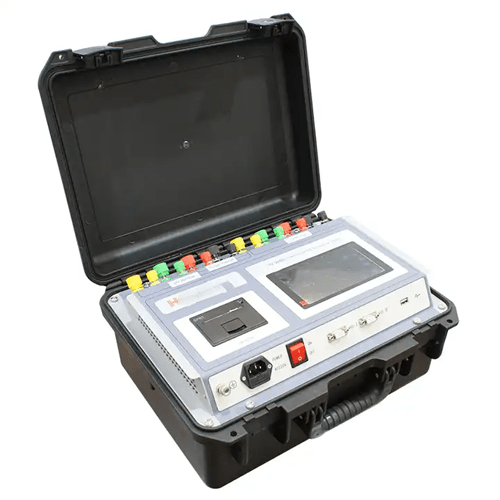
Enviro Forest DC Resistance Tester
-
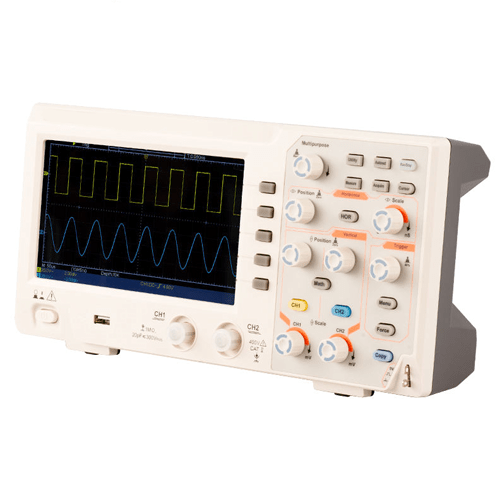
Enviro Forest Desktop USB Digital Storage Oscilloscope
-
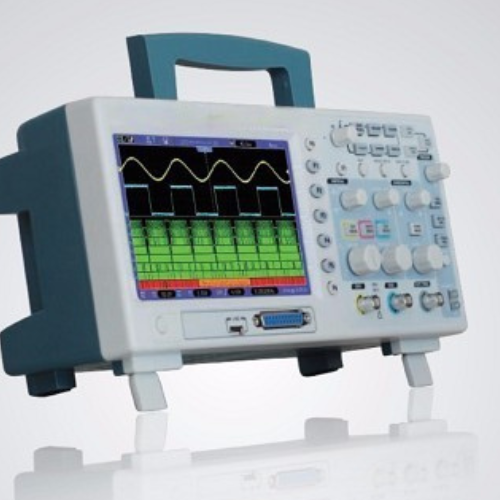
Enviro Forest Digital 2 CH Oscilloscope
-
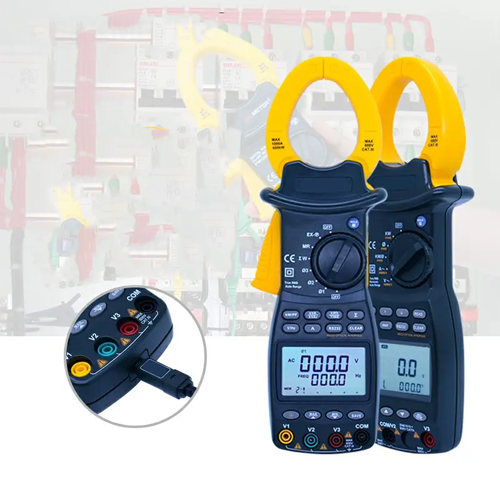
Enviro Forest Digital 3 Phase Harmonic Power Clamp Meter
-
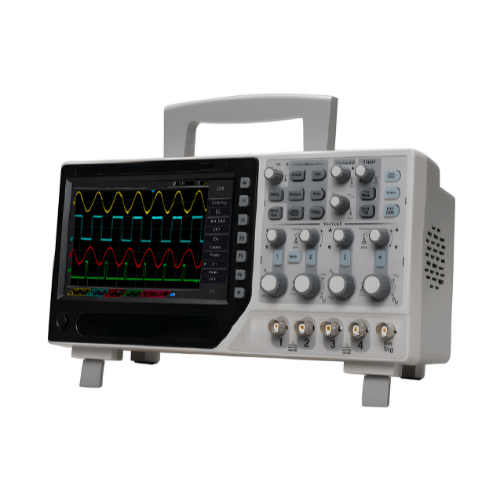
Enviro Forest Digital 4 Channels Oscilloscope
-
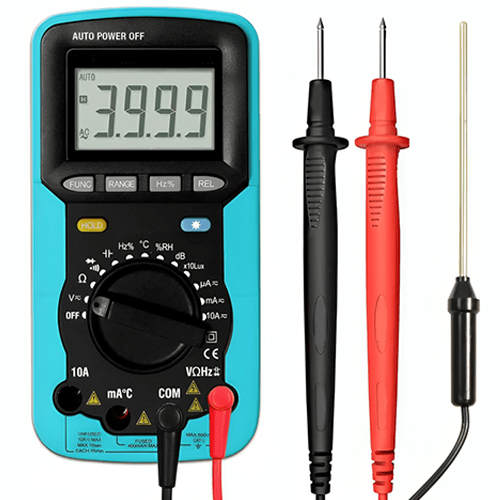
Enviro Forest Digital Automotive Ohmmeter
-
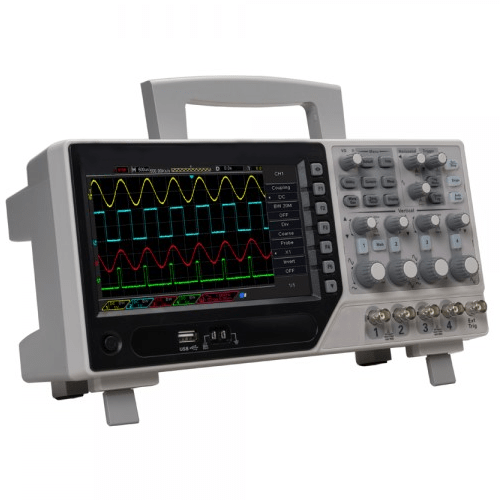
Enviro Forest Digital Bench Oscilloscope
-
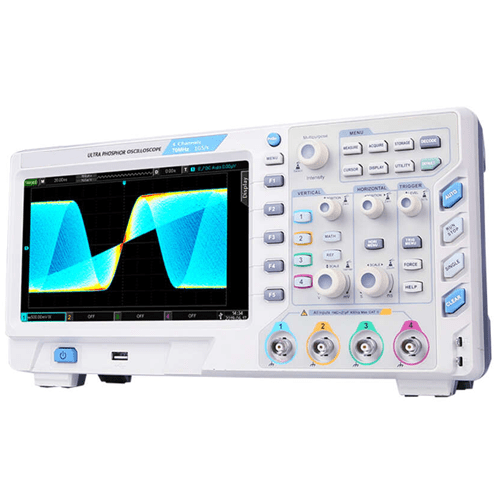
Enviro Forest Digital Channel Mixed Signal Oscilloscope
-
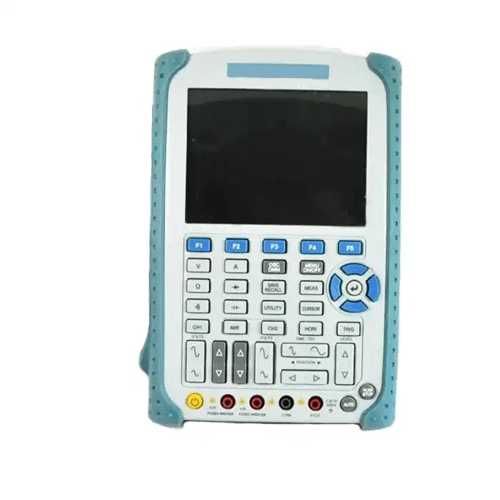
Enviro Forest Digital Channels Oscilloscope
-
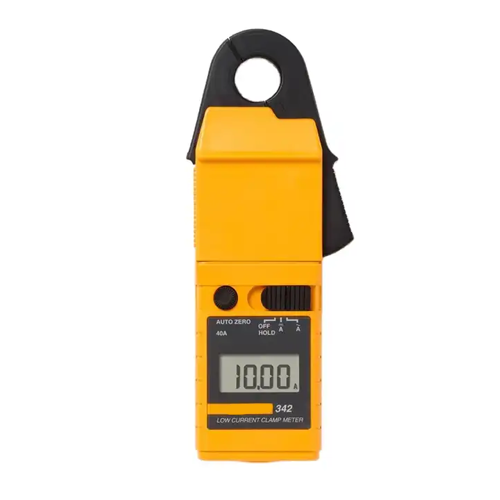
Enviro Forest Digital Clamp Meter
-
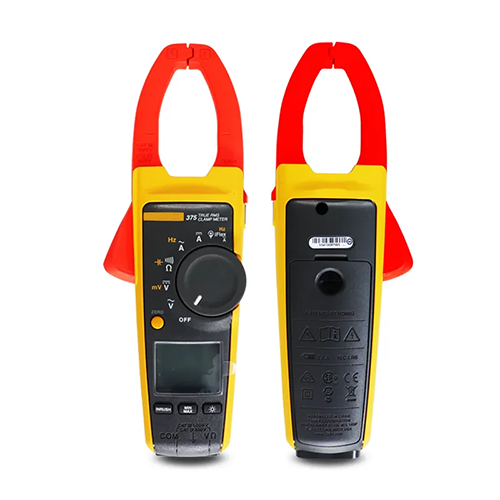
Enviro Forest Digital Clamp Multimeter
-
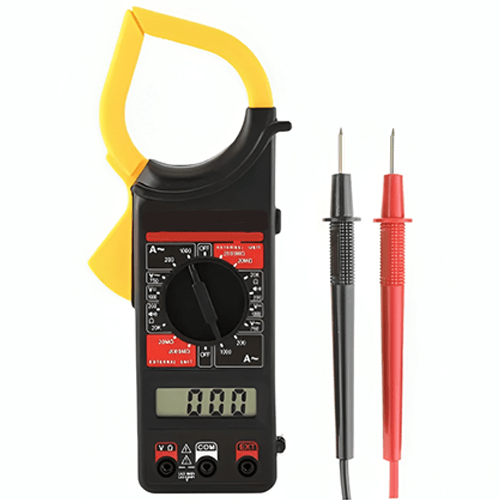
Enviro Forest Digital Clamp Ohmmeter
-
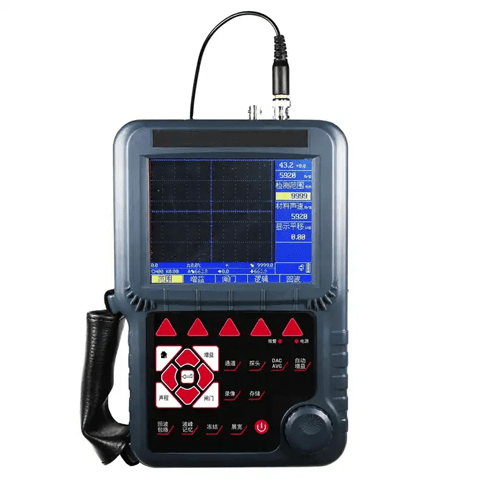
Enviro Forest Digital Flaw Detector Oscilloscope
-
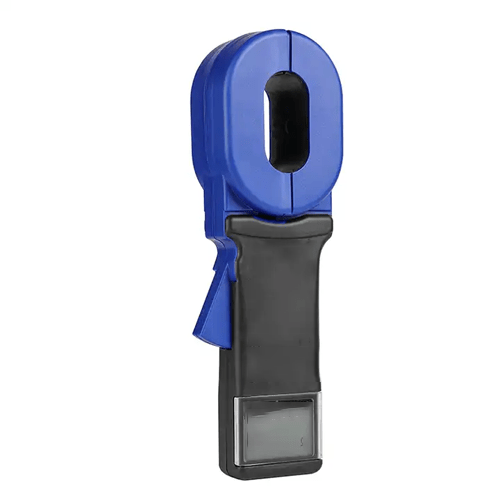
Enviro Forest Digital Ground Resistance Meter
-
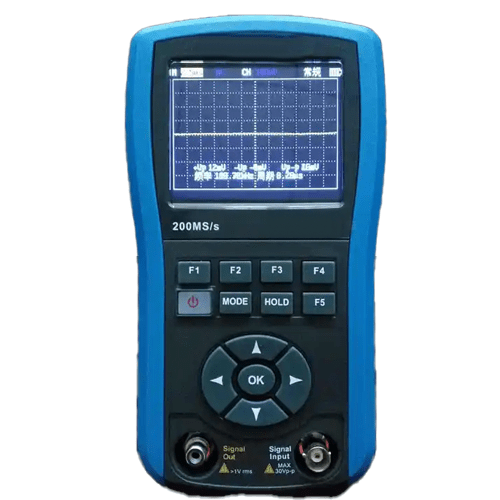
Enviro Forest Digital Handheld Storage Oscilloscope