
Wood & Biomass Testing
Accurate material characterization is fundamental to forestry operations, biomass energy production, and timber processing. Wood and biomass testing technologies enable precise measurement of moisture content, density, surface quality, and mechanical strength across a wide range of organic materials. These instruments support environmental monitoring, quality assurance, and compliance-driven workflows in forest-based industries.
Measurement systems designed for timber and biomass evaluation provide real-time data under varying environmental conditions, allowing operators to assess raw materials at harvesting sites, processing facilities, and storage environments. Portable and laboratory-grade instruments support both field inspections and controlled analysis.
Integration of digital sensing, calibration algorithms, and data logging capabilities allows organizations to optimize yield, reduce material waste, and maintain regulatory compliance. These testing solutions play a critical role in industrial ecosystems focused on sustainable resource utilization, environmental measurement, and performance validation of wood-based materials.
Core Functions of Enviro Forest Wood & Biomass Testing Instruments
- Measure moisture content across different wood species and biomass materials using resistance or capacitance-based sensing
- Evaluate timber density for grading, structural validation, and transport optimization
- Analyze biomass composition to support combustion efficiency and energy yield calculations
- Assess surface finish quality for processed wood products and engineered materials
- Perform hardness testing to determine mechanical durability and load-bearing characteristics
- Enable real-time environmental measurement across logging sites, sawmills, and storage facilities
- Support calibration workflows for consistent measurement accuracy across varying humidity and temperature conditions
- Provide digital data logging and integration with enterprise monitoring systems
- Facilitate quality control processes for export-grade timber and processed wood products
- Assist in compliance monitoring for environmental measurement and forestry regulations
Enviro Forest has established a strong reputation in delivering advanced environmental testing and measurement solutions for the forest industry. A growing B2B presence across North America reflects a consistent focus on reliability, engineering precision, and customer-focused technical support. Continuous product development and strict quality assurance processes enable businesses to streamline operations and improve measurement accuracy.
Although designed for material testing, selection criteria often align with broader environmental instrumentation requirements. Technical buyers should evaluate:
- Measurement range and resolution for moisture, density, and hardness parameters
- Sensor type and calibration stability under fluctuating environmental conditions
- Operating temperature and humidity tolerance for field deployment
- Data acquisition frequency and onboard storage capacity
- Power requirements including battery life and external supply compatibility
- Interface options such as USB, Bluetooth, or industrial communication protocols
- Accuracy tolerance and repeatability across different wood species
- Compliance with regional and international testing standards
- Mechanical durability for rugged forestry and industrial environments
Maintenance requirements including recalibration intervals and sensor replacement
Wood Moisture Meters
Wood moisture meters are essential tools for determining the water content within timber, directly influencing structural integrity, processing efficiency, and storage conditions. These instruments typically operate using pin-type resistance measurement or pinless electromagnetic scanning. Field operators rely on portable moisture meters to assess freshly cut logs, kiln-dried lumber, and finished wood products. Advanced models incorporate species correction factors, temperature compensation, and digital data logging. Consistent moisture measurement reduces risks of warping, cracking, and fungal growth while ensuring compliance with construction and export standards.
Biomass Moisture Analyzers
Biomass moisture analyzers are designed for precise evaluation of organic fuel materials such as wood chips, pellets, and agricultural residues. These systems often combine thermal drying methods with gravimetric analysis to determine moisture content with high accuracy. Laboratory-grade analyzers support energy production facilities by optimizing combustion efficiency and fuel consistency. Portable variants allow on-site verification during harvesting and transport. Measurement accuracy is critical for calculating calorific value and ensuring stable performance in biomass boilers and power generation systems.
Timber Density Meters
Timber density meters provide quantitative analysis of wood mass per unit volume, a key parameter for structural applications and material grading. These instruments utilize non-destructive testing techniques such as ultrasonic velocity measurement or resistance-based estimation. Density data supports load-bearing calculations, transportation planning, and quality classification. Forestry operators and engineers use these tools to assess species variability, detect internal defects, and validate compliance with construction standards. Reliable density measurement contributes to efficient resource utilization and structural safety.
Surface Finish Meters
Surface finish meters evaluate the texture and smoothness of processed wood surfaces, which directly impacts coating adhesion, aesthetic quality, and product performance. These instruments typically measure surface roughness parameters using contact or non-contact profiling methods. Applications include furniture manufacturing, flooring production, and engineered wood processing. Consistent surface quality measurement helps manufacturers maintain production standards, reduce finishing defects, and improve customer satisfaction. Integration with digital systems allows for process optimization and quality tracking across production lines.
Material Hardness Testers
Material hardness testers determine the resistance of wood and biomass-based materials to indentation and mechanical stress. These instruments are essential for evaluating durability, wear resistance, and structural suitability. Common testing methods include Janka hardness testing and indentation-based measurements. Industrial users apply hardness testing in quality control, product development, and material selection processes. Accurate hardness data supports engineering decisions for construction, flooring, and load-bearing applications, ensuring long-term performance and reliability.
- Forestry operations use moisture and density testing to optimize harvesting schedules and reduce material degradation during storage
- Biomass power plants rely on moisture analysis to maintain consistent combustion efficiency and energy output
- Sawmills implement testing systems to ensure product quality and minimize waste during timber processing
- Construction material suppliers validate structural integrity of wood products through density and hardness measurements
- Furniture manufacturers monitor surface finish quality to maintain coating consistency and product durability
- Exporters use testing instruments to comply with international moisture and quality standards for timber shipments
- Environmental monitoring teams assess biomass characteristics for sustainability reporting and resource management
- Pellet manufacturers optimize feedstock quality using moisture and density analysis for consistent production
- Research institutions conduct material studies on wood properties for innovation and performance improvement
- Regulatory agencies perform compliance verification for forestry and biomass-related environmental standards
- ASTM D4442
- ASTM D2395
- ASTM D143
- ISO 13061
- ISO 3130
- CSA O86
- EPA Biomass Regulations
- ANSI Standards for Wood Products
- Canadian Wood Council Guidelines
- USDA Forest Service Standards
| Instrument Type | Primary Measurement | Portability | Typical Use Environment | Data Output Capability |
| Moisture Meters | Moisture Content | High | Field and indoor | Digital with logging |
| Biomass Analyzers | Moisture and composition | Medium | Laboratory and industrial | High precision digital |
| Density Meters | Mass per volume | Medium | Field and processing sites | Integrated data systems |
| Surface Finish Meters | Surface roughness | Low to medium | Manufacturing environments | Profiling data output |
| Hardness Testers | Mechanical resistance | Low | Laboratory and industrial | Analytical reporting |
Deployment of wood and biomass testing instruments requires careful evaluation of environmental and operational factors. Field environments often present fluctuating temperature, humidity, and exposure to dust or debris. Instruments must be ruggedized and calibrated to maintain accuracy under these conditions.
Mobility requirements vary based on application. Portable devices support in-field measurements during harvesting and transport, while stationary systems are suited for laboratory or production line integration. Power considerations include battery-operated devices for remote locations and continuous power supply for industrial systems.
Data handling approaches depend on organizational needs. Some operations require standalone measurements, while others integrate data into centralized monitoring platforms. Connectivity options such as wireless transmission or USB interfaces enable efficient data transfer and analysis. Calibration procedures and maintenance schedules should be defined to ensure long-term measurement reliability.
- High measurement accuracy across diverse wood species and biomass materials
- Adaptability to both field and laboratory environments
- Support for environmental measurement and compliance-driven workflows
- Integration with digital data systems for operational efficiency
- Durable construction suitable for industrial and forestry conditions
- Consistent calibration performance under varying environmental parameters
- Scalable solutions for small operations and large industrial enterprises
How does moisture content impact wood performance in industrial applications?
Moisture content directly affects dimensional stability, strength, and susceptibility to biological degradation. Accurate measurement ensures proper processing and storage.
What measurement method is more reliable for field conditions?
Pinless moisture meters are often preferred for rapid scanning, while pin-type meters provide deeper penetration for precise readings.
How frequently should testing instruments be calibrated?
Calibration intervals depend on usage intensity and environmental conditions. Regular verification against known standards is recommended.
Can biomass analyzers be used for all organic materials?
Most analyzers support a wide range of biomass types, though calibration may be required for specific material compositions.
What factors influence density measurement accuracy?
Species variation, moisture content, and internal defects can impact density readings. Proper calibration improves reliability.
Are these instruments suitable for regulatory compliance?
Many instruments are designed to meet industry standards and support compliance verification processes.
How is data from testing instruments typically managed?
Data can be stored locally, exported via interfaces, or integrated into enterprise systems for analysis and reporting.
Organizations seeking reliable measurement systems for forestry, biomass processing, and environmental analysis can benefit from expert guidance and tailored solutions. Enviro Forest provides technical consultation, product selection support, and ongoing assistance to ensure optimal performance across diverse industrial environments.
Reach out through the official contact page to discuss your requirements, request detailed specifications, or explore implementation strategies by visiting the Enviro Forest contact page.
Showing 106–120 of 347 results
-
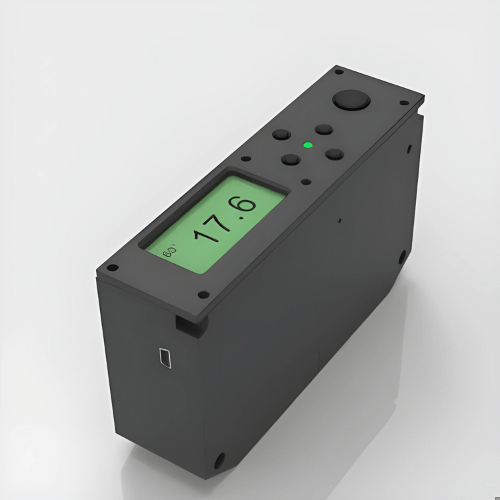
Enviro Forest Handheld Non-Contact Gloss Meter
-
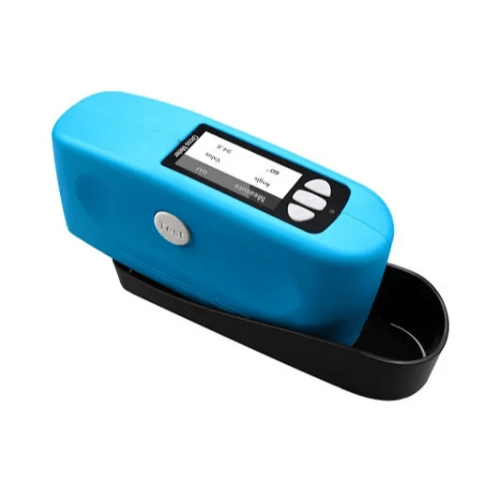
Enviro Forest Handheld Paint Gloss Meter
-
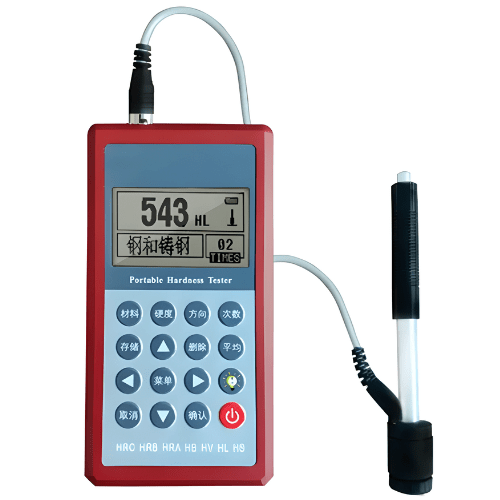
Enviro Forest Handheld Portable Leeb Hardness Tester
-
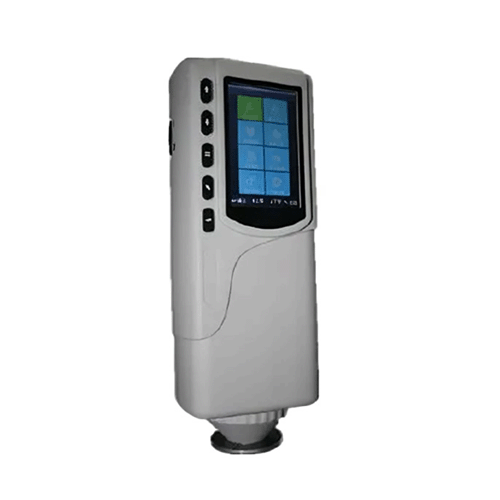
Enviro Forest Hanheld Gloss Meter For Spectrometer Coating
-
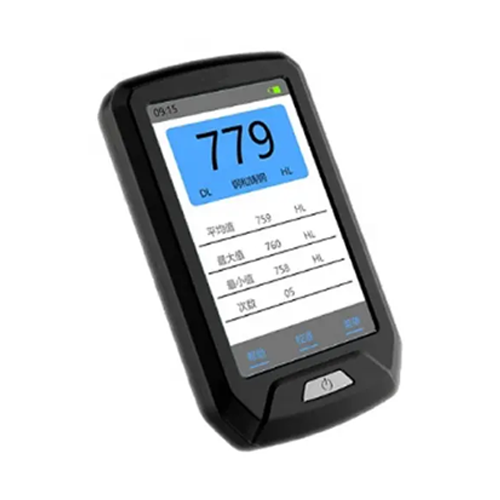
Enviro Forest Hardness Tester High Precision Split Portable
-
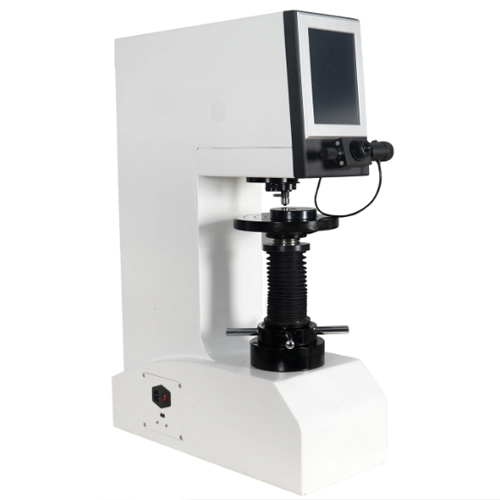
Enviro Forest Hardness Testers Automatic Digital Brinell
-
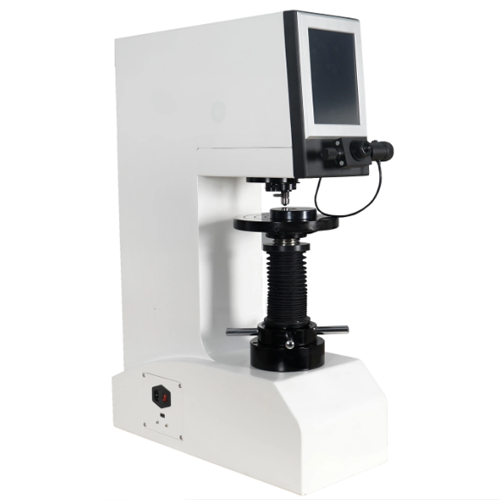
Enviro Forest Hardness Testers Automatic Digital Brinell
-
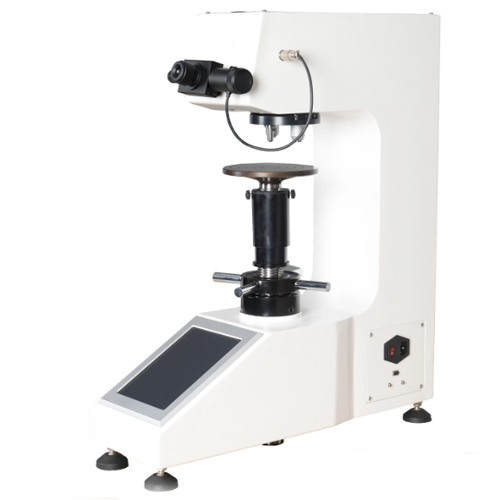
Enviro Forest Hardness Testers Automatic Turret Digital
-
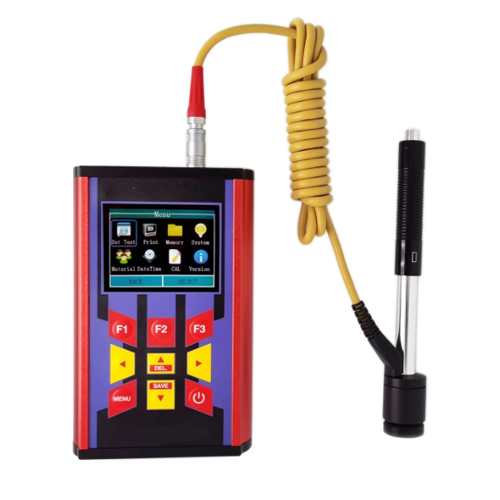
Enviro Forest Hardness Testers Digital Portable
-
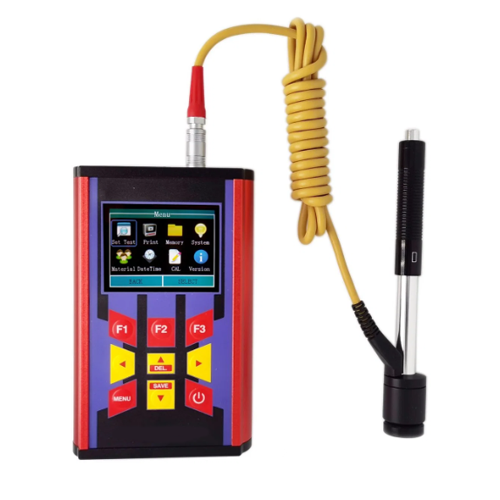
Enviro Forest Hardness Testers Digital Portable
-
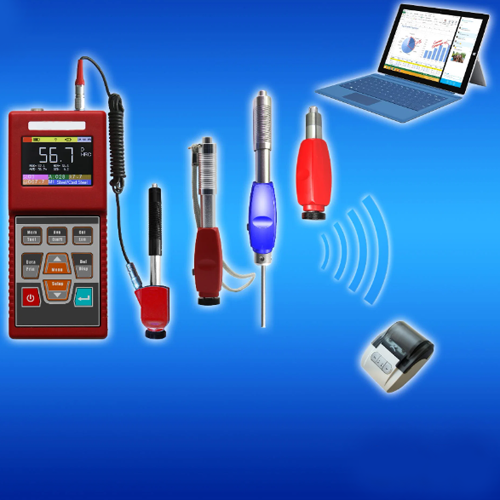
Enviro Forest Hardness Testers Portable Leeb
-
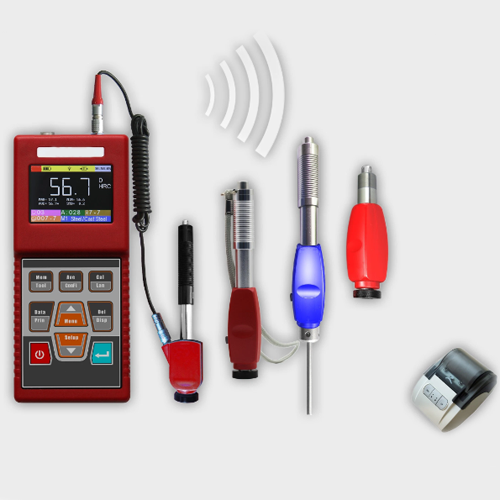
Enviro Forest Hardness Testers Portable Leeb
-
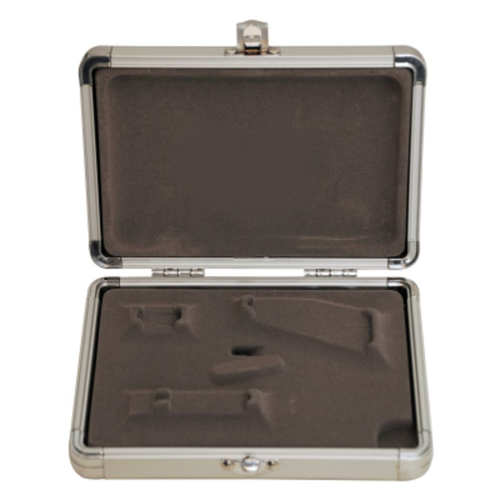
Enviro Forest Hardness Testers Portable Leeb Two in One Probe
-
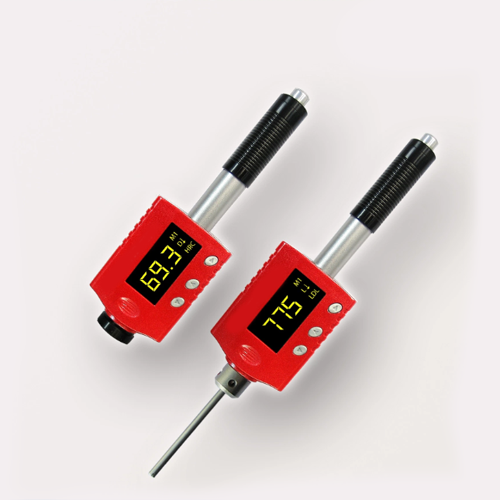
Enviro Forest Hardness Testers Portable Leeb Two In One Probe
-
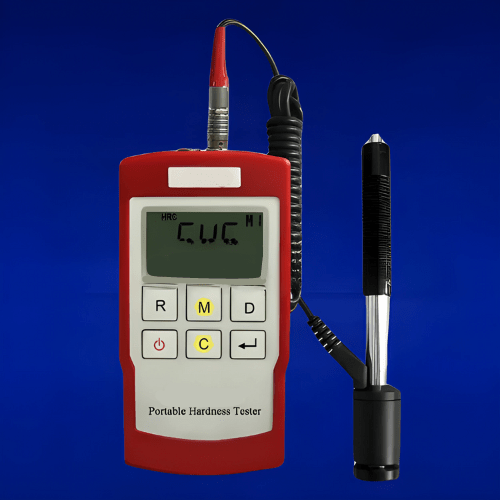
Enviro Forest HARTIP 2000 D&DL Two In One Probe With Auto Impact Direction